
By Business Insider Reporter
Tanzania has taken a major step forward in its post-Marburg Virus Disease (MVD) recovery, following the World Health Organisation’s (WHO) delivery of essential medical equipment worth over TSh112 million to Biharamulo District – one of the areas hardest hit by the outbreak earlier this year.
The equipment, which includes personal protective gear, hospital beds, diagnostic tools, and emergency medical kits, is expected to play a critical role in restoring routine healthcare services, while also strengthening the country’s capacity to respond to future outbreaks.
Speaking during the handover ceremony, Dr. Galbert Fedjo, acting WHO Representative in Tanzania, emphasised the organization’s commitment to long-term collaboration: “This handover is part of a broader commitment to strengthen outbreak preparedness and response capacities in Tanzania.”
The donation is part of a wider recovery package supported by the UK government through the Foreign, Commonwealth & Development Office (FCDO).
In addition to medical supplies, the support also includes risk communication, health worker training, and psychosocial recovery services – all vital for rebuilding community trust in the healthcare system.
For Tanzania, the significance of this intervention goes beyond emergency response.
The Marburg outbreak, declared in March 2025 and contained within weeks, exposed critical vulnerabilities in district-level health infrastructure.
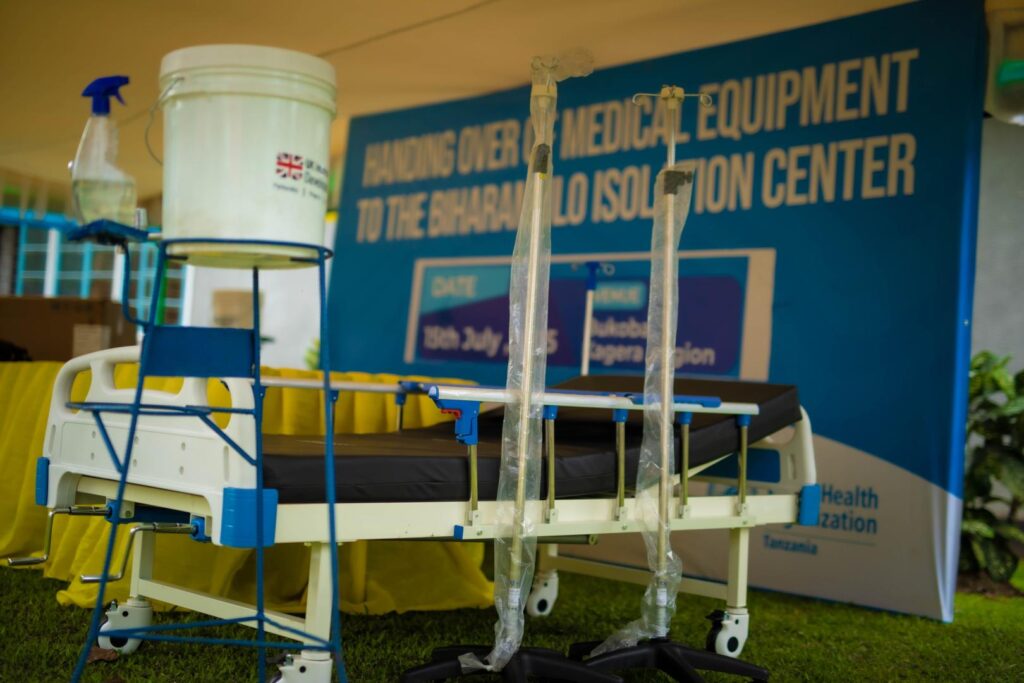
The WHO’s support not only addresses immediate gaps but is also aligned with national health system strengthening goals, especially in underserved rural areas like Biharamulo.
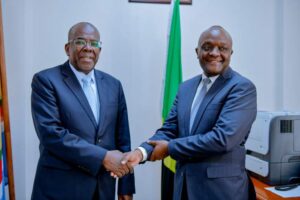
Receiving the donation, Dr. Erasto Sylvanus, Director of Emergency at the Ministry of Health, noted: “This support comes at a critical time as we continue to strengthen our health systems and ensure our frontline workers are equipped to handle future health emergencies.”
As Tanzania focuses on resilience-building, this partnership with WHO and the UK government is a testament to the importance of coordinated international support in navigating public health challenges. It also reflects a shift from reactive to proactive health security planning, as the country prepares for potential future outbreaks and seeks to ensure no community is left behind in crisis preparedness.