By Business Insider Reporter
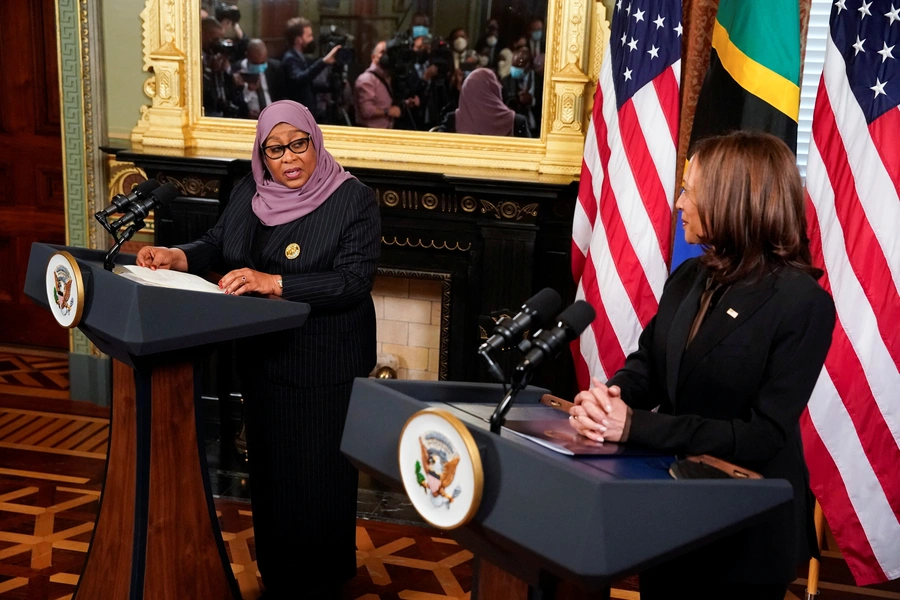
Tanzania faces the prospect of being included in a new list of countries targeted by a potential United States travel ban, a move that could disrupt economic growth, derail tourism, and strain diplomatic ties between Washington and Dodoma.
According to reports from US media outlets including Reuters and The Washington Post, the US State Department has submitted a list of 36 countries – with Tanzania among them – that may face full or partial travel restrictions for failing to meet US security and immigration standards.
The countries have been given a 60-day window to address deficiencies or risk being added to the expanded travel ban list.
The proposed restrictions, part of an ongoing internal review under the “enhanced vetting” framework initiated during Donald Trump’s first term, cite concerns such as inadequate passport security, visa overstays, and lack of cooperation on deportations.
Tourism sector at major risk
The threat of a US travel ban comes at a critical time for Tanzania’s tourism sector, which has recently seen a remarkable rebound.
The country welcomed over 5.36 million tourists in 2024, generating an estimated US$ 3.4 billion – a 50 percent increase from 2022.
Industry experts warn that the imposition of a travel ban would reduce travel inflows and hurt associated sectors like hospitality, transportation, and handicrafts.
“Any move that restricts the movement of people, especially between Tanzania and one of its biggest global partners, would be a serious blow to tourism and international business,” said Issa Mfinanga, a tour operator based in Arusha.
Impacts
Aside from tourism, the travel ban could affect Tanzanian students, businesspeople and diaspora families.
The United States remains a key destination for Tanzanians seeking higher education, professional opportunities, and family reunification.
A travel restriction could also curtail investor visits and slow the momentum of bilateral trade and development partnerships.
Remittances – a major source of foreign currency – are also at stake. According to Bank of Tanzania data, Tanzanians living abroad sent home over US$ 620 million in 2024, with the US accounting for a significant share.
Diplomatic repercussions
Tanzania’s inclusion on the proposed ban list may also cast a shadow over its diplomatic relationship with the US, a strategic development and security partner.
Regional analysts fear that the move could strain East African Community (EAC) cohesion, especially if other neighbouring states such as Uganda or Kenya are similarly targeted.
Kenya has already issued a cautious response to the US stance, urging Washington to engage diplomatically rather than resort to blanket restrictions.
“The travel ban, if enacted, would represent not just a policy disagreement but a potential diplomatic rift,” said an international relations expert at the University of Dar es Salaam. “It sends a negative signal to investors and development partners about trust and cooperation.”
What happens next
Tanzania now has less than two months to demonstrate corrective measures that align with US security standards, including upgrades to passport systems, improved cooperation on deportations, and measures to prevent visa overstays.
Government sources indicate that the Ministry of Foreign Affairs and the Immigration Department are already preparing a response and may dispatch a technical team to Washington to negotiate and provide evidence of ongoing reforms.
A wake-up call
While the travel ban remains only a possibility, its implications have already stirred debate across the region. Experts argue that East African countries must invest more in passport security, biometric data systems, and diplomatic dialogue to avoid future restrictions and maintain access to global travel networks.
“The world is watching, and Tanzania must act quickly — not just to avoid a travel ban, but to modernise its travel and immigration infrastructure for long-term benefits,” added the international relations expert. As the 60-day deadline approaches, the country’s response may determine not only its relations with the US but also its standing in the global travel and business community.