By Business Insider Reporter
Africa’s push to achieve universal electrification is shaping up to be one of the most ambitious development undertakings of the 21st century.
With more than 600 million people in sub-Saharan Africa still lacking electricity, the challenge is not simply about expanding access – it’s about keeping pace with a fast-growing population and building infrastructure that can drive sustainable economic growth.
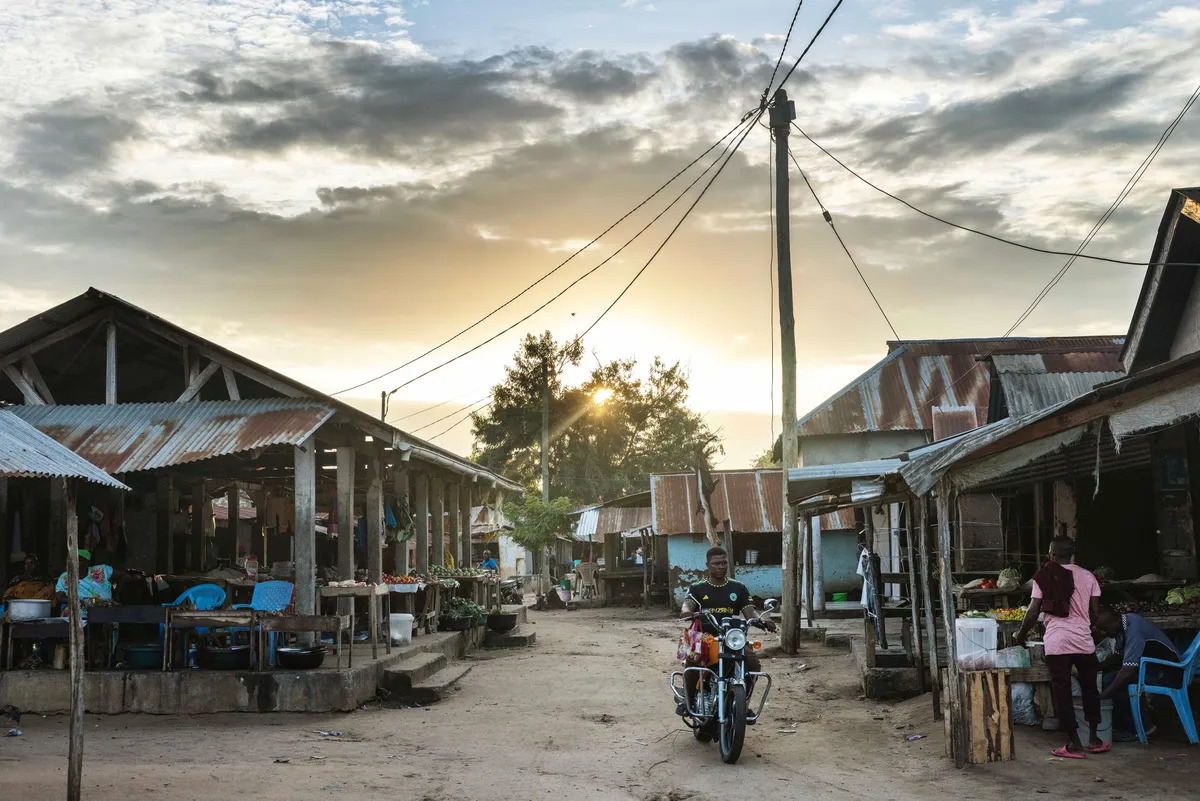
For farmers like Joe in northern Nigeria, who manages a 400-hectare rice farm, the grid is more of an illusion than a reality.
“For me, the power grid is a fiction,” he says. With unreliable or nonexistent grid power, Joe relies on solar panels for irrigation and costly diesel generators for milling and bagging.
The rising price of fuel has slashed his profits and limited expansion – an experience shared by millions of African entrepreneurs.
The scale of the deficit
According to the United Nations Conference on Trade and Development (UNCTAD), existing grids in sub-Saharan Africa are “outdated, unstable, and lack customer connections.”
Even where connections exist, electricity is unreliable, expensive, and insufficient to support industrial growth.
The Center for Strategic & International Studies (CSIS) recently concluded that demand for electricity is now outstripping supply, deepening the energy crisis. At current growth rates, electrification efforts are barely keeping up with population growth: Africa’s population is expected to double by 2050, with 2.5 million new people added each month.
The World Bank and African Development Bank’s Mission 300 initiative aims to connect 300 million people by 2030 – an enormous undertaking requiring new access for 4.2 million people every month.
Yet, factoring in population growth, nearly 180 million additional people will require electricity during that period, raising doubts about whether universal access is within reach.
The investment challenge
The cost of expanding national grids is staggering. South Africa’s state utility Eskom estimates it needs US$22 billion over the next decade simply to upgrade and expand its network.
In Central Africa, where electrification rates are as low as 30 percent, similar multi-billion-dollar investments will be needed.
Yet investors see opportunity. Expanding electricity access could unlock massive new markets for consumer goods, technology, and digital services.
The International Energy Agency (IEA) estimates that every dollar invested in energy access yields significant social and economic returns, from job creation to improved health outcomes.
Off-grid solar: A fast track
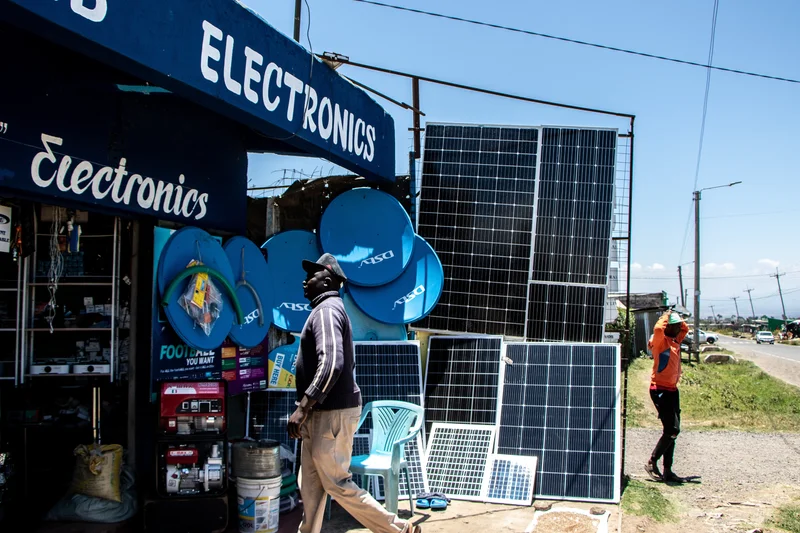
While large-scale infrastructure remains essential, off-grid solar is increasingly being viewed as the quickest, most scalable solution.
Africa has 60 percent of the world’s best solar resources, representing over 10 terawatts of potential. Already, about 600 million people use off-grid solar at least once a week.
Sonia Dunlop, CEO of the Global Solar Council, predicts solar installations in sub-Saharan Africa will grow by 40 percent next year, driven by demand from households, farms, and small businesses.
The rise of pay-as-you-go models and microfinance solutions is making solar more affordable, especially in rural areas.
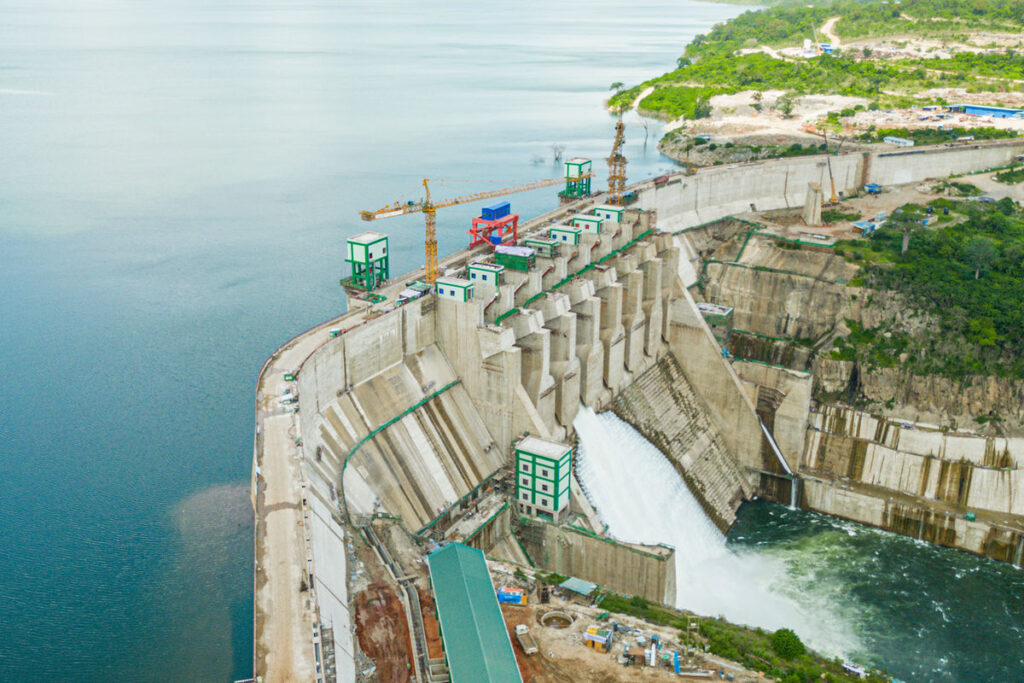
Hydropower and renewables Hydropower remains Africa’s “renewable powerhouse,” particularly in Ethiopia, Uganda, and the DRC, while natural gas continues to dominate new power plant development. But experts caution that diversification – solar, wind, hydro, and storage – is the only viable path to stable, affordable power.