By Business Insider Reporter and Agencies
The US dollar is showing renewed strength as escalating tensions in the Middle East drive investors towards safe-haven assets, underlining the greenback’s enduring role as a financial refuge during periods of geopolitical instability.
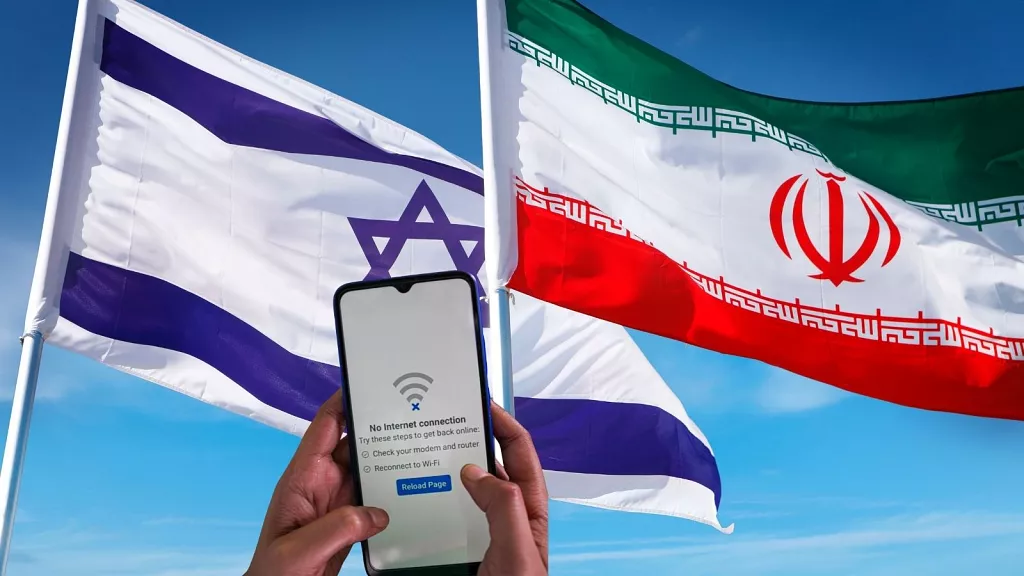
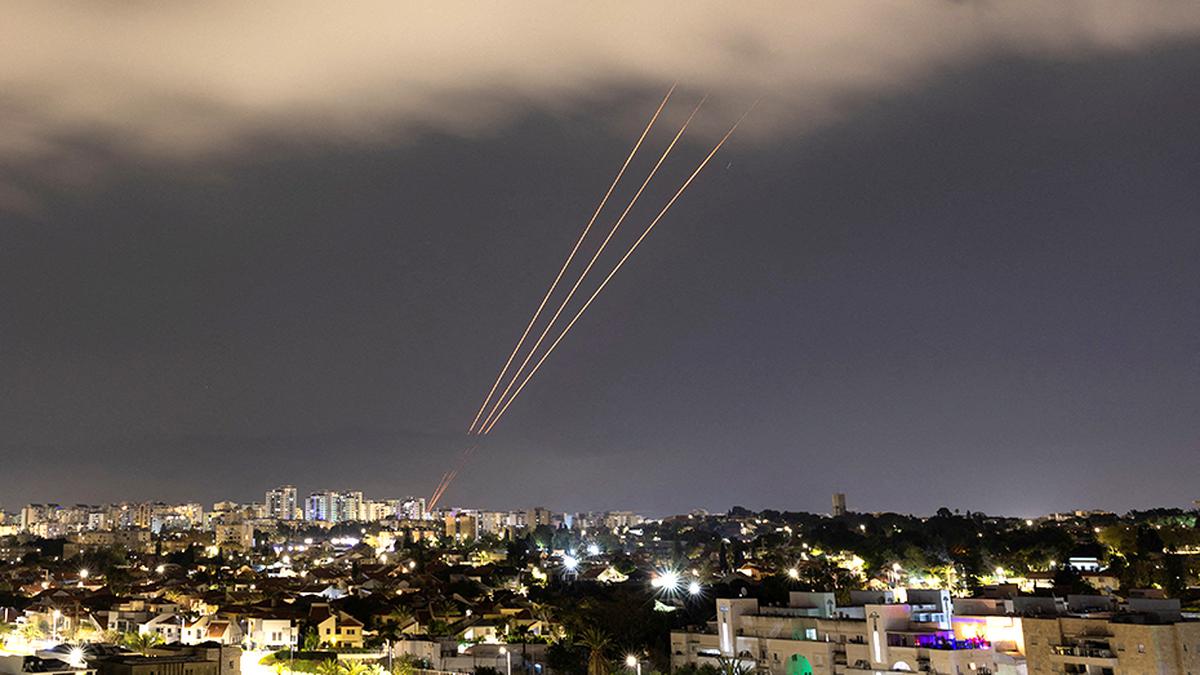
Following the intensification of the Israel–Iran conflict, the US Dollar Index climbed above 99.0 this week, marking its strongest performance in over a month.
The surge is largely attributed to growing concerns over a potential regional war, disruptions in oil supply chains, and broader market risk aversion.
Safe-haven flows dominate
Investor anxiety has spiked amid fears of US military involvement and threats to vital oil shipping routes like the Strait of Hormuz.
As a result, capital has flowed into US assets, including treasury bonds and the dollar, pushing bond yields lower while boosting demand for the greenback.
“The dollar’s gains underscore the global shift to safety as tensions rise,” said Karim Waked, a Nairobi-based currency analyst.
The dollar has also strengthened against other safe-haven currencies such as the Swiss franc and Japanese yen, and outperformed emerging market currencies, which have come under pressure due to rising oil prices and inflation concerns.

Fed policy and oil prices
The Federal Reserve’s decision to hold interest rates steady in June, coupled with signals of possible rate cuts later this year, would normally weigh on the dollar.
However, geopolitical risks have offset this dovish sentiment, keeping the currency buoyant.
Meanwhile, oil prices have been volatile, with Brent crude trading around $80 per barrel.
Any significant disruption in Middle East supply could stoke global inflation, adding pressure on central banks and complicating monetary policy.
“While the Fed’s pause suggests room for a softer dollar, the flight to safety is overriding those signals,” noted Waked. “The oil factor also adds upward pressure due to its inflationary impact.”
Market outlook
The dollar’s current trajectory reflects a broader sense of unease in global financial markets.
Equities have seen mixed reactions, with volatility indexes such as the S&P 500 VIX climbing, and European and Asian markets showing cautious trends.
Currency traders have turned bearish on the euro against the dollar, and there’s growing interest in dollar-denominated assets.
Analysts warn that if the Middle East conflict widens or drags on, the dollar could remain elevated for an extended period, affecting global trade and emerging market economies.
For developing economies like Tanzania and Kenya, which rely on dollar-priced imports such as fuel and machinery, a strong dollar could mean higher import costs, widening trade deficits, and inflationary pressures. At the same time, countries with significant remittance inflows or dollar-denominated earnings, like Uganda and Ethiopia, may benefit in the short term.
As global markets digest the implications of conflict in the Middle East, the US dollar’s strength is becoming a barometer of investor sentiment and risk aversion. While central banks weigh inflation and growth concerns, the dollar’s rally is a reminder of how geopolitics can rapidly reshape financial narratives – even in a post-COVID, data-driven era.