By Business Insider Reporter
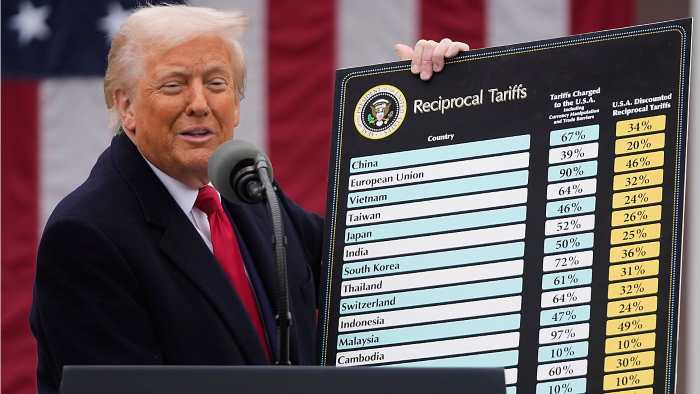
The decision by US President Donald Trump to impose a blanket 10 percent tariff on virtually all global imports is reverberating far beyond Washington, triggering deep anxiety across East Africa’s export-dependent economies and forcing businesses to reassess their exposure to the United States market.
The move came just hours after the US Supreme Court struck down the administration’s earlier attempt to impose sweeping trade levies under emergency powers.
By swiftly invoking Section 122 of the 1974 Trade Act, the White House bypassed Congress to reintroduce tariffs – this time temporarily, but with immediate commercial consequences.
For East African firms, the message is stark: access to the US market, long treated as a stable anchor for growth, can no longer be assumed.
A direct hit to exporters, not foreign governments
From a business perspective, the mechanics of the tariff are crucial. The 10 percent duty is collected from US importers, not foreign exporters. But in practice, American buyers respond by renegotiating prices, cutting orders, or switching suppliers.
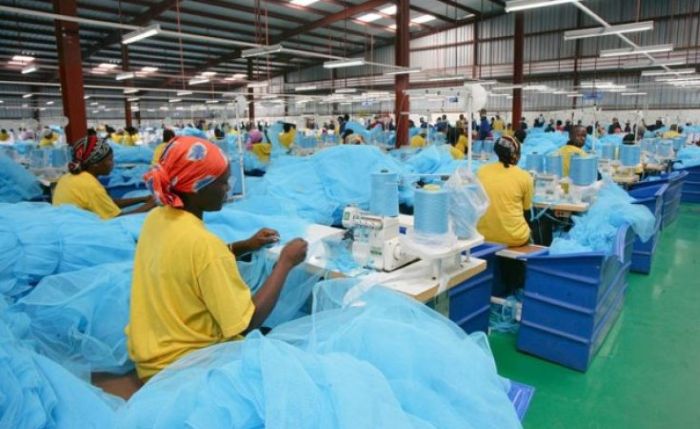
The cost shock is therefore transmitted directly down the value chain to producers in Nairobi, Dar es Salaam, Kampala and Addis Ababa.
For price-sensitive goods – where margins are already thin – a flat 10 percent increase can be the difference between profitability and market exit. East African exporters, many of whom compete on cost rather than scale or branding power, are particularly exposed.
Undermining preferential access under AGOA
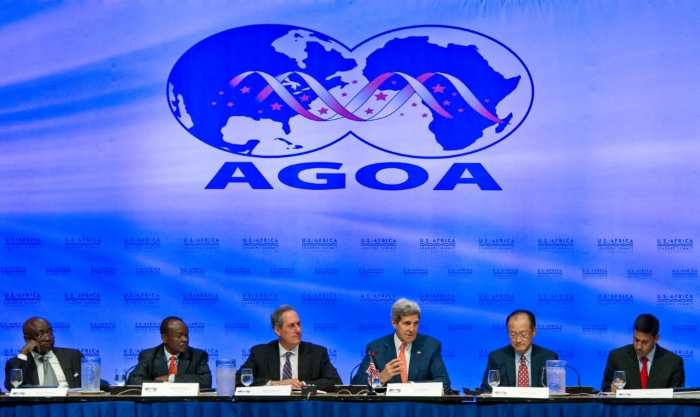
The most destabilising effect is the way the tariff neutralises the advantages of the African Growth and Opportunity Act, better known as African Growth and Opportunity Act (AGOA).
For more than two decades, AGOA has underpinned East Africa’s export strategies by granting duty-free access to the US market for thousands of products.
By imposing a uniform global tariff, Washington has effectively eroded that preference. Even if AGOA technically remains in force, its commercial value is sharply diminished. For businesses that invested heavily – often with donor and government support – to meet US standards, the sudden loss of competitiveness is a severe strategic blow.
Sector-by-sector pressure across East Africa
Agriculture:
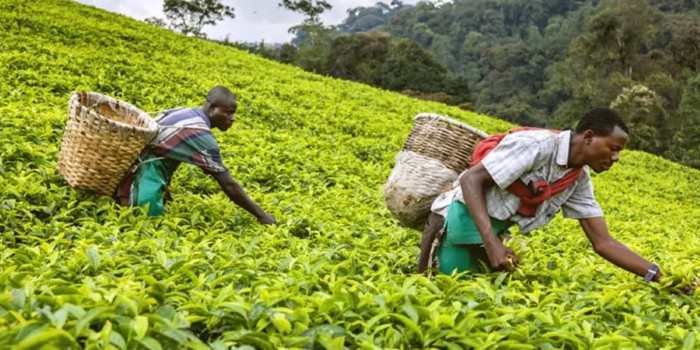
East African coffee, tea, horticulture and specialty food exporters are among the first to feel the impact. US buyers operate in highly competitive retail markets and are likely to push back aggressively on prices. Smallholder-linked value chains are especially vulnerable, as shocks at the export level quickly translate into lower farm-gate prices.
Textiles and apparel:
Garment factories operating in export processing zones – particularly in Kenya and Ethiopia – face heightened risk. Many depend almost entirely on US orders secured under AGOA. A 10% tariff compresses margins overnight and increases the likelihood of order cancellations, reduced shifts, or relocation of sourcing to lower-cost Asian producers.
Manufacturing and light industry:
Emerging manufacturers supplying the US with leather goods, plastics, processed foods and household items face a dual squeeze: weaker demand and higher uncertainty. Long-term contracts become harder to secure when US trade policy can shift within hours.
Regional implications for the EAC
At the macro level, the tariffs threaten export earnings across the East African Community (EAC), where the US remains a key non-African trading partner. Reduced exports would weigh on foreign exchange inflows, potentially putting pressure on currencies, reserves and fiscal balances – particularly in economies already grappling with external financing constraints.
For businesses, this translates into higher currency risk, tighter credit conditions and slower domestic demand.
From US dependence to diversification
The longer-term implication is strategic. East African policymakers and business leaders are being forced to confront a reality that has been building for years: over-reliance on a single external market is a structural vulnerability.
The renewed urgency to deepen regional and continental trade under the African Continental Free Trade Area (AfCFTA) is no longer theoretical. For firms, this means reorienting investment toward regional value chains, adapting products to African consumer markets, and lobbying governments to dismantle intra-African non-tariff barriers that still inflate costs.
A new risk premium on US market access
Trump’s tariffs introduce something fundamentally new into East African business calculations: a political risk premium on access to the US market. Even if the 10 percent duty is temporary, the precedent is powerful.
It signals that trade preferences can be overridden quickly by domestic US politics, regardless of diplomatic or development considerations. For East African businesses, the lesson is clear. The US market remains large and lucrative – but it is no longer predictable. In this new environment, resilience will depend less on preferential access abroad and more on diversification at home and across the continent.