By Business Insider Reporter
As the world marked World Wildlife Day on March 3, 2026, Tanzania joined the global celebration with a powerful reminder: conservation is not merely about animals and forests – it is about livelihoods, heritage and the future of generations yet to come.
The Tanzania Wildlife Management Authority (TAWA), through its Dar es Salaam Special Zone, stood alongside other stakeholders to commemorate the day, urging communities to take an active role in protecting endangered wildlife for the benefit of the nation today and tomorrow.
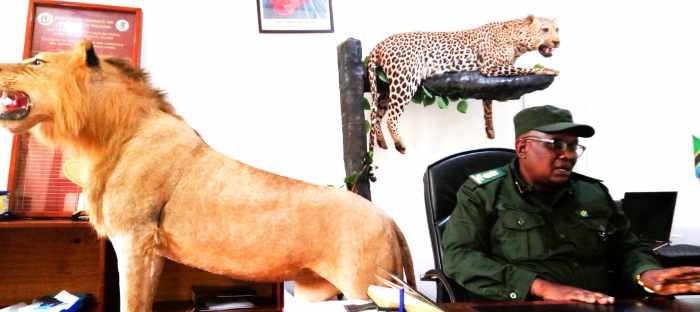
Speaking in Dar es Salaam, the Conservation Commander for the Special Zone, Senior Assistant Commissioner Sylvester Mushy, emphasised that this year’s theme, focused on medicinal plants, fragrances, conservation heritage and improving livelihoods underscores the direct link between biodiversity and human well-being.
“Today the world reflects on the importance of wildlife conservation. Tanzanians must understand the value of our wildlife and plants and take part in safeguarding them,” he said noting that national celebrations were being held in Arusha Region.
Conservation through knowledge, not conflict
Beyond ceremony, the day served as a platform for education. TAWA has been equipping communities with practical, non-lethal methods of managing human–wildlife conflict.
Rather than harming animals such as elephants that stray into farms, citizens are encouraged to plant chilli peppers around their fields or crush and spread them in vulnerable areas. The natural irritant acts as a deterrent, keeping elephants away without loss of life.
It is a simple but symbolic shift, from confrontation to coexistence.
Urban conservation and hidden treasures
TAWA is also encouraging young people to explore conservation areas under its management, including urban reserves that many may not realise exist.
Among them is the Pande Forest Reserve, a unique ecological haven within Dar es Salaam, home to various wildlife species including lions and leopards. The zone also boasts the historic Kunduchi Ruins, reflecting rich Swahili heritage, and the expansive Wami Mbiki Wildlife Management Area, where visitors can witness conservation efforts first-hand while enjoying nature.
These sites represent more than tourism destinations – they are living classrooms and economic engines.
A global commitment
World Wildlife Day was established during the 68th Session of the United Nations General Assembly in 2013. Tanzania is a signatory to international agreements that prohibit the hunting and trafficking of endangered species and plants, reinforcing its commitment to global conservation standards.
According to TAWA conservation officers, species facing the threat of extinction include wild dogs, elephants, black rhinos and chimpanzees. Protecting them requires not only enforcement, but public awareness and participation.
Conservation and the economy
The message from TAWA was unequivocal: wildlife conservation is inseparable from economic growth. Tourism contributes approximately 17 per cent of Tanzania’s economy, making biodiversity protection a matter of national prosperity.
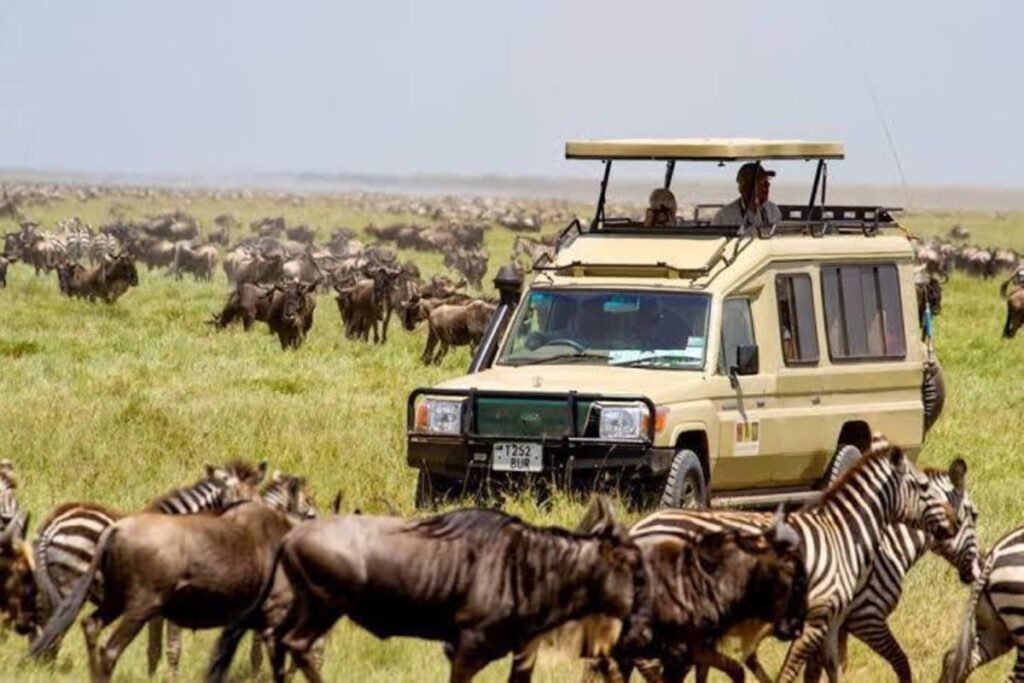
“Without wildlife, there is no tourism,” conservation officials stressed. “Humans, animals and plants are interdependent. Protecting forests and wildlife is not optional, it is essential.”
On this World Wildlife Day, the call was clear. Conservation is not the responsibility of authorities alone. It belongs to everyone, youth, women, elders and communities across the nation. For in protecting the wild, Tanzania is safeguarding its heritage, strengthening its economy and securing its future.