By Business Insider Reporter
Tanzania, with its abundant renewable energy resources, is increasingly positioning itself as a leader in clean energy development regionally and in the whole of Africa.
With a variety of initiatives across solar, wind, hydropower, geothermal, and biomass sectors, the country is striving to meet its growing energy needs, improve access for rural communities, and mitigate the environmental impact of traditional energy sources.
Solar energy taking center stage
One of the most promising areas for Tanzania’s clean energy transformation is solar power.
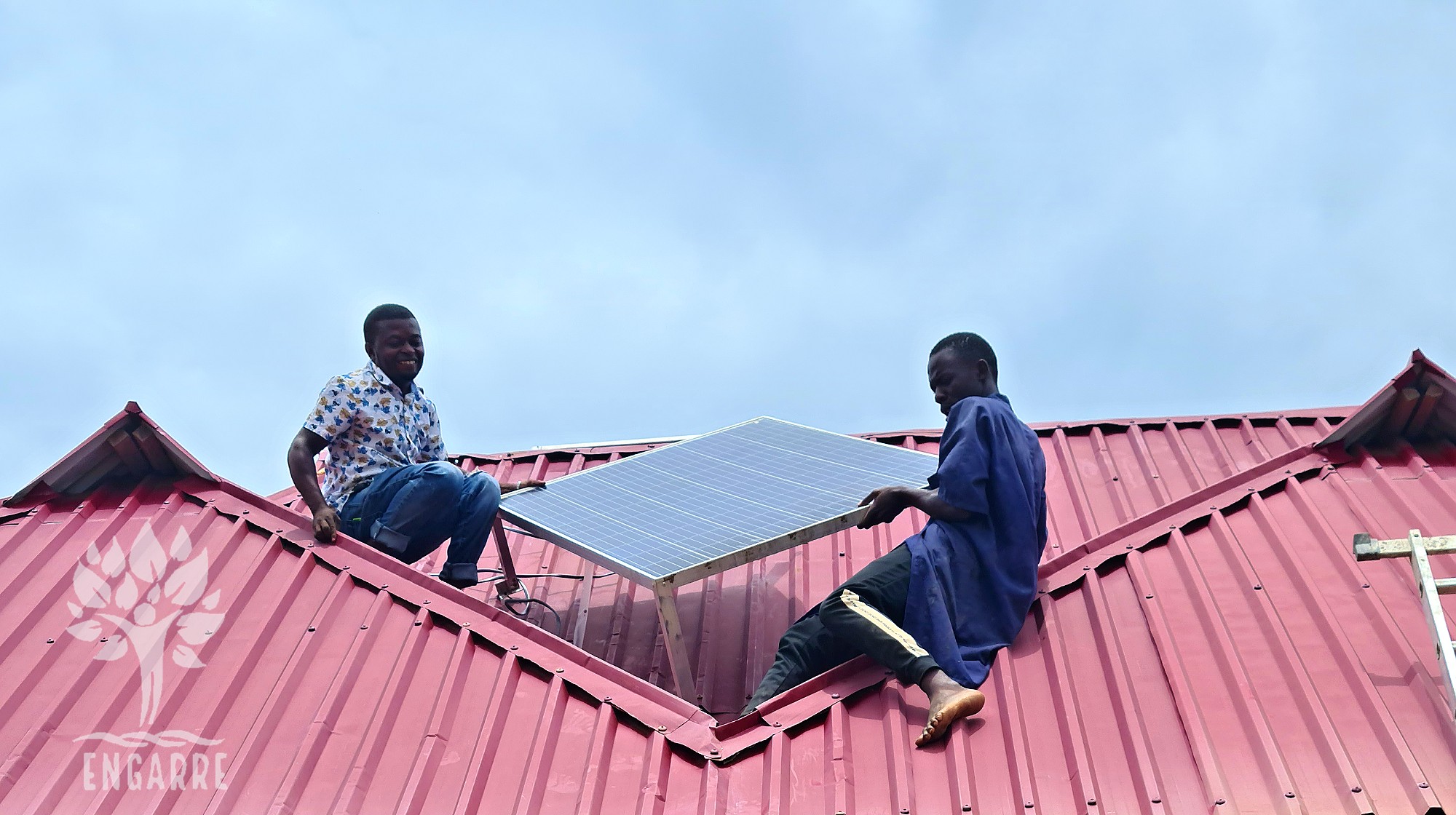
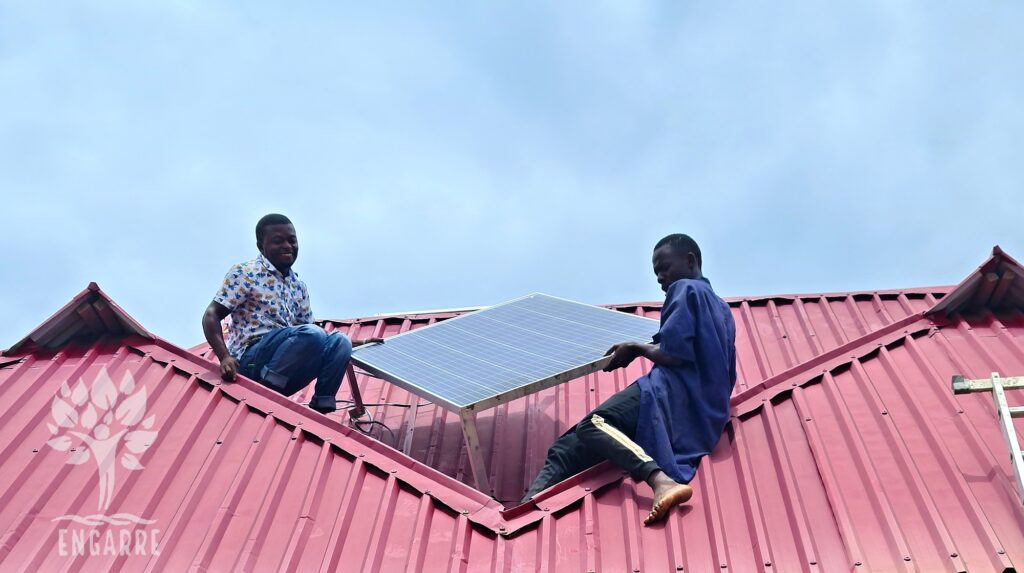
In an effort to provide electricity to off-grid communities, the Tanzanian government, alongside international organisations, is expanding rural electrification projects using solar power.
Through Solar Home Systems (SHS) and mini-grids, remote communities now have access to power for lighting, water pumping, and other essential services.
The Tanzania Renewable Energy Program (TREP), supported by global partners such as the World Bank, is driving solar energy deployment across the country. The program finances off-grid solar solutions and promotes the development of local solar businesses.
Additionally, large-scale solar power plants, such as the Kyerwa Solar Power Plant, are set to make significant contributions to the national grid, helping meet the country’s growing energy demand.
The potential value of solar energy investments in Tanzania is substantial.
Several projections indicate that the country could add 1,000 MW or more of solar capacity to its national grid over the next decade.
Although still in its infancy, Tanzania is exploring its vast wind energy potential, particularly along its coastal regions. Feasibility studies are currently underway to identify optimal sites for wind farms in areas like Singida and Mtwara.
Hydropower’s long-standing role
Hydropower has long been a cornerstone of Tanzania’s energy sector, though its expansion has faced challenges due to seasonal fluctuations in water availability.
A major milestone in this sector is the recent completion of the Julius Nyerere Hydropower Project (JNHPP) on the Rufiji River, which marks a significant step toward strengthening the country’s energy capacity.”
The nearly US$ 3 billion investment is the largest hydroelectric project in Tanzania and all of Africa, with a capacity of 2,115 megawatts.
The project began construction in 2019 and was completed this year.
Tanzania is also promoting smaller hydropower projects to improve access to electricity in rural and remote areas.
Diversifying energy sources
Tanzania is also actively diversifying its energy sources, exploring geothermal potential in areas like Ngorongoro as part of its broader renewable energy strategy.
Biomass remains a key energy source in rural areas, with efforts underway to promote cleaner solutions such as efficient cookstoves and biogas systems.
Off-grid solar solutions, supported by companies like Azuri Technologies and M-KOPA Solar, are expanding access to affordable electricity for low-income households.
These decentralised systems play a critical role in improving rural energy access.
The government has established a strong policy and regulatory framework through the National Energy Policy (2015) and the Tanzania Renewable Energy Act (2005), while EWURA ensures effective oversight. International partners, including the World Bank, USAID, and KfW, provide vital funding and technical assistance. Despite financial and infrastructure challenges, along with climate-related risks to hydropower, Tanzania is making significant progress. With continued investment, international cooperation, and sound policy, the country is well-positioned to become a clean energy leader in East Africa.