By Business Insider Reporter
While large parts of East Africa face a worsening food shortage crisis, Tanzania finds itself in a unique position: a surplus in staple food production that could not only strengthen regional food security but also open up new economic opportunities for the country.
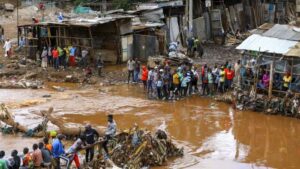
A recent report by the UN Food and Agriculture Organisation (FAO) revealed that conflict, drought, and erratic weather patterns have crippled food supplies in countries such as Somalia, Kenya, Ethiopia, and Uganda. Millions now depend on emergency assistance, while vast areas remain inaccessible to aid due to insecurity.
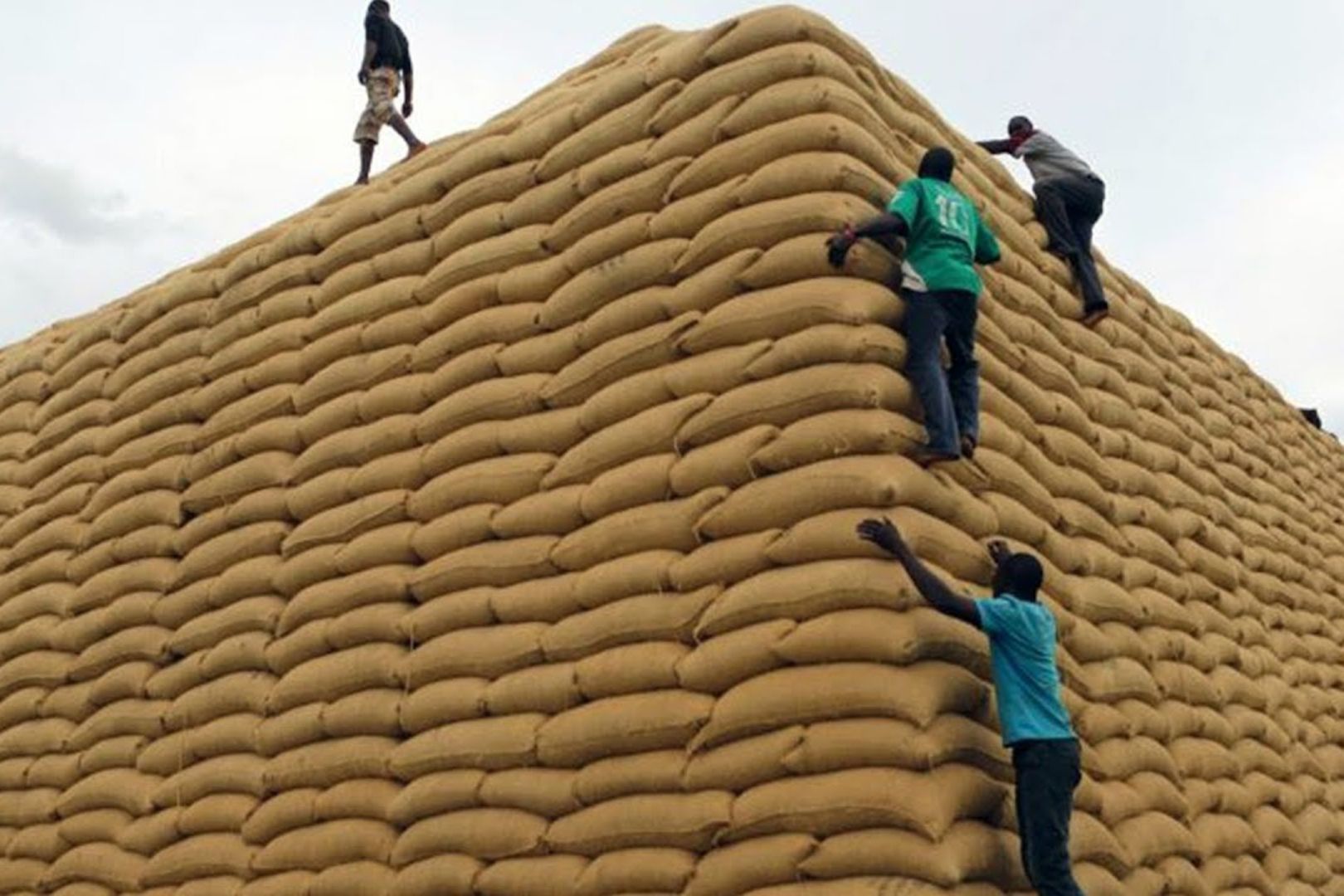
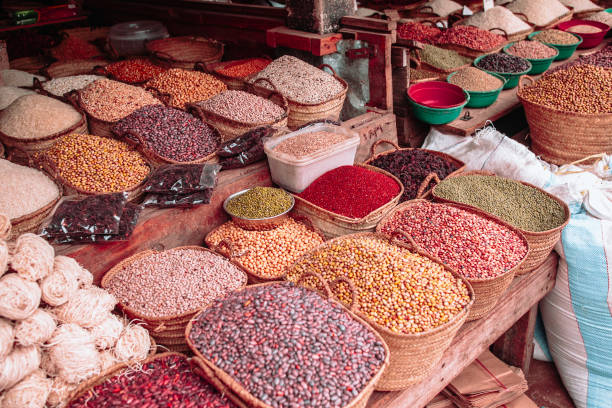
Against this backdrop, Tanzania has reported consecutive seasons of strong cereal and cash crop harvests, bolstered by government-led irrigation projects, private-sector investment in agriculture, and an expansion of regional grain markets. The country’s maize, rice, and beans production has consistently exceeded domestic demand, creating an exportable surplus.
Turning surplus into strategy
For Tanzania, the crisis in neighbouring countries presents both a humanitarian responsibility and a business opportunity.
By expanding structured grain exports to deficit nations, Tanzania can position itself as East Africa’s breadbasket, helping stabilise the region while earning valuable foreign exchange.
“This is a chance for Tanzania to play a dual role – as a guarantor of food security in East Africa and as an agricultural trade hub,” says Dr. Juma Mlingi, an independent economist based in Dar es Salaam. “If managed well, surplus production can transform into regional influence and increased revenue for farmers.”
Already, informal cross-border trade has surged, with Tanzanian cereals flowing into Kenya and South Sudan to fill critical gaps.
However, experts argue that formalising this trade – through bilateral agreements and regional mechanisms under the East African Community (EAC) and African Continental Free Trade Area (AfCFTA) – will ensure stability in supply and fair pricing for Tanzanian farmers.
Private sector and infrastructure key
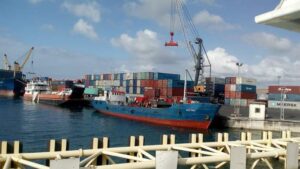
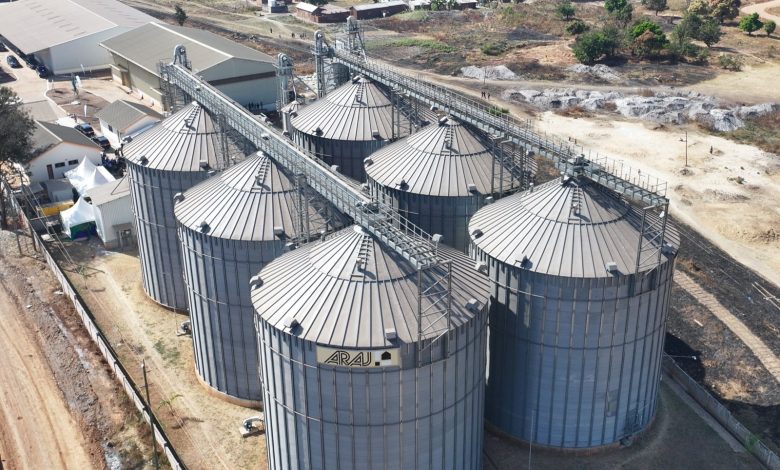
Agro-processing companies, transporters, and grain storage facilities stand to benefit from the expanded market. Investments in logistics, such as railway freight to Uganda and Kenya, as well as port facilities in Dar es Salaam and Tanga, could turn Tanzania into the central corridor for regional food distribution.
At the same time, Tanzania’s role must be carefully managed to avoid local shortages and price hikes. “It’s important that surplus exports don’t compromise domestic food security,” says Dr. Mlingi. “A balance between exports and national reserves will be critical.”
A window of opportunity
With Kenya and Uganda experiencing erratic harvests and Somalia facing near-famine conditions, Tanzania’s surplus offers a rare opportunity to combine humanitarian response with economic strategy.
If coupled with smart policies, Tanzania could emerge as the anchor of regional food security – exporting not just cereals, but also confidence in the country’s ability to feed East Africa. As the FAO warns of worsening shortages in coming months, Tanzania’s next steps could determine whether East Africa sinks deeper into hunger or moves toward collective resilience.