By Correspondent Benny Mwaipaja, Bangkok
Tanzania and the World Bank have agreed to deepen their strategic partnership to accelerate economic transformation, with a renewed focus on job creation, private sector investment, infrastructure development and faster implementation of development projects.
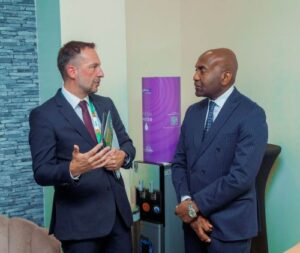
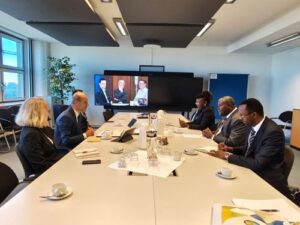
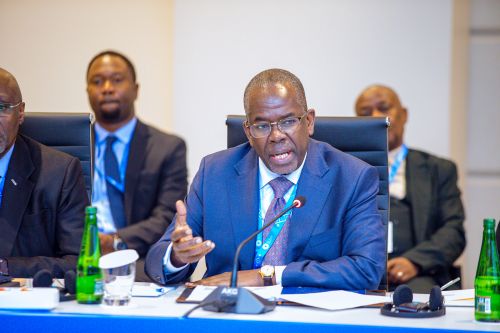
The commitment emerged from talks between Tanzania’s Minister for Finance, Ambassador Khamis Mussa Omar, and senior World Bank officials in Bangkok, Thailand, on the sidelines of the International Monetary Fund (IMF) and World Bank Annual Meetings.
The discussions centred on translating economic growth into tangible improvements in people’s livelihoods, including higher productivity, increased incomes and expanded employment opportunities.
Ambassador Omar stressed the need to move beyond measuring economic performance through growth indicators alone, arguing that development efforts should deliver practical benefits to citizens.
Tourism was identified as one of the sectors with significant potential to generate jobs quickly and stimulate economic activity. Despite Tanzania’s abundant tourism attractions, the minister noted that opportunities around the country’s major lakes and along its coastline remain underexploited.
Developing these destinations could attract more visitors, diversify tourism products and create additional opportunities for businesses and workers.
The meeting also highlighted the strategic importance of the Central Corridor in strengthening regional trade, improving the movement of goods and connecting Tanzania’s markets with those of neighbouring countries.
Small businesses at the centre of job creation
World Bank Managing Director of Operations Anna Bjerde said job creation remained a central priority in the institution’s efforts to support economic development.
She highlighted the importance of micro, small and medium-sized enterprises (MSMEs), which play a significant role in commercial activity and employment, and called for measures to help these businesses expand.
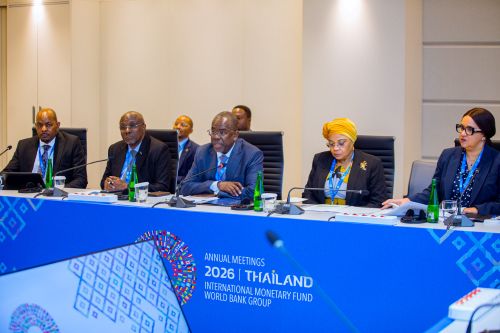
One of the key issues discussed was improving access to finance for smaller businesses. The talks explored a shift from lending models that rely heavily on physical collateral towards approaches that assess business cash flows.
Such an approach could help viable enterprises secure financing based on their capacity to generate revenue, expand operations and create jobs, rather than relying primarily on property or other conventional assets as security.
For Tanzania, where smaller enterprises are important sources of employment and entrepreneurship, broader access to appropriate financing could support business growth and strengthen the private sector’s contribution to the economy.
Value addition and skills development
Bjerde also commended Tanzania’s continued emphasis on industrialisation, particularly through agriculture, livestock and mineral value addition.
The strategy seeks to retain more economic value within the country by encouraging the domestic processing of raw materials and strengthening local production. The discussions included an ambition to achieve a 40 per cent value-addition target.
Education was another priority, with Bjerde emphasising that expanding school enrolment must go hand in hand with improvements in education quality and learning outcomes.
She highlighted the need to strengthen teaching methods and education systems, including the use of artificial intelligence tools, to prepare young people for changes in the global economy and evolving labour-market demands.
Improving the alignment between education, skills development and business needs will be important in ensuring that Tanzania’s growing workforce can take advantage of emerging employment opportunities.
Faster implementation of development projects
The discussions also focused on improving the speed and efficiency of development project preparation and implementation.
World Bank officials expressed their commitment to reducing the time required to prepare projects before implementation and developing a dedicated initiative to identify and remove bottlenecks that delay delivery.
For Tanzania, faster project execution could help ensure that investments in infrastructure and other priority areas translate into economic and social benefits more quickly.
Tanzanian officials reaffirmed their commitment to strengthening cooperation with the World Bank, improving project implementation and making effective use of financial instruments designed to support economic reforms.
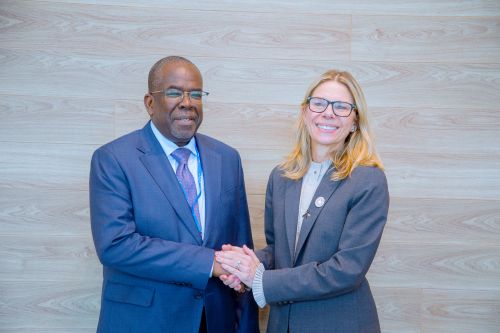
The meeting concluded with both sides agreeing to sustain their strategic partnership and accelerate progress on Tanzania’s development priorities. The World Bank also encouraged the government to communicate its development needs confidently so that available cooperation and support opportunities can be used effectively. Other participants included World Bank Vice-President for Eastern and Southern Africa Ndiame Diop; Zanzibar’s Minister for Finance, Dr Juma Malik Akil; Permanent Secretary in the Ministry of Finance, Dr Natu El-Maamry Mwamba; and Permanent Secretary in the President’s Office responsible for Planning and Executive Secretary of the Planning Commission, Dr. Tausi Kida, alongside other senior government and World Bank officials.