By Business Insider Reporter
Tanzania is positioning itself for a new phase of tourism-led economic growth following strategic engagements with Qatar and Oman, with a focus on attracting high-spending visitors, diversifying tourism products, and strengthening foreign exchange earnings.
The high-level consultative meetings, coordinated by the Ministry of Natural Resources and Tourism and the Tanzania Tourist Board, mark a strategic shift toward the Middle East – one of the fastest-growing outbound tourism markets globally.
Unlocking high-value tourism inflows
For Tanzania, the most immediate benefit lies in tapping into a premium tourist segment. Travellers from Gulf countries typically exhibit higher per capita spending, longer stays, and demand for luxury experiences – factors that directly translate into increased tourism receipts.
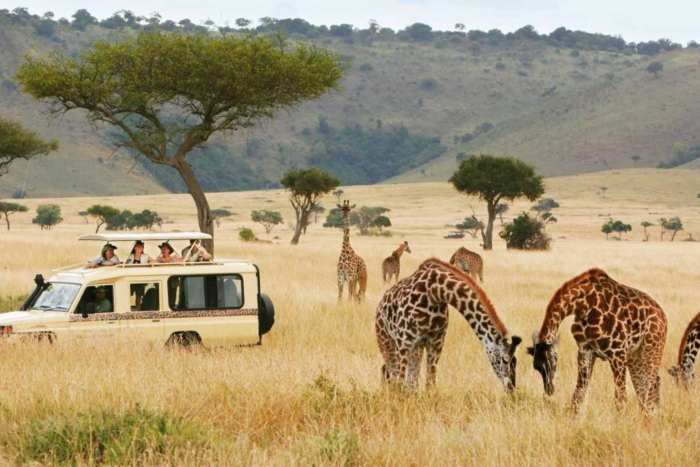
By strengthening destination marketing in Qatar and Oman, Tanzania is likely to see a rise in arrivals targeting flagship attractions such as Serengeti National Park and Zanzibar, alongside emerging cultural tourism circuits. This shift is particularly significant as the country seeks to move beyond volume-driven tourism to a value-driven model aligned with its broader economic transformation agenda.
Tourism already contributes roughly 17 percent of Tanzania’s GDP and accounts for over a quarter of foreign exchange earnings.
Expanding into the Gulf market could help stabilise revenues by diversifying source markets beyond traditional European and North American visitors.
Boost to halal tourism and market diversification
A central pillar of the partnerships is the development of halal tourism – an area where Tanzania is positioning itself competitively under its Muslim Tourism Development Plan (2023–2027).
By investing in halal-certified food services, prayer facilities, and family-oriented travel packages, Tanzania stands to attract a larger share of the global Muslim travel market, which is projected to exceed US$300 billion within the decade.

This shift has broader economic implications. It encourages investment in hospitality infrastructure, supports SMEs in food and service industries, and enhances inclusivity within the tourism ecosystem.
For Zanzibar, with its strong Islamic heritage, the opportunity is particularly pronounced, reinforcing its appeal as a culturally aligned destination for Middle Eastern travellers.
Strengthening cultural and heritage tourism
Engagement with Oman also underscores a growing emphasis on heritage tourism – an area with significant untapped potential. Tanzania’s historical and cultural assets, including sites such as Stone Town, provide a foundation for developing high-value cultural experiences.
Investment in conservation, restoration of historical buildings, and promotion of indigenous traditions is expected to generate dual benefits: preserving national heritage while creating new revenue streams. This aligns with global tourism trends where demand is increasingly shifting toward authentic, experience-based travel.
Moreover, heritage tourism tends to have stronger linkages with local economies, supporting artisans, cultural practitioners, and community-based enterprises.
Expanding eco-tourism and sustainable travel
The partnerships also reinforce Tanzania’s positioning in eco-tourism, leveraging its globally recognised natural assets. With increasing global demand for sustainable travel, the country’s conservation-based tourism model offers a competitive advantage.
Collaboration with Gulf partners could unlock financing and technical expertise for eco-friendly infrastructure, including sustainable lodges, conservation projects, and low-impact tourism services. This is critical as Tanzania balances tourism growth with environmental preservation, particularly in ecologically sensitive areas.
Wider economic spillovers
Beyond direct tourism revenues, the partnerships are expected to generate broader economic spillovers. Increased tourist inflows will stimulate demand across sectors including aviation, transport, agriculture, and construction.
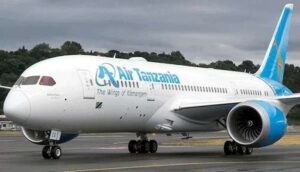
Enhanced air connectivity with Gulf carriers could reduce travel time and costs, further boosting arrivals. At the same time, stronger bilateral ties may open doors for investment beyond tourism, particularly in energy, logistics, and real estate.

From a policy perspective, the initiative aligns with Tanzania’s long-term development frameworks, including the transition toward Dira 2050, which places strong emphasis on services-led growth and global competitiveness.
Strategic outlook
While the partnerships with Qatar and Oman represent a significant opportunity, their success will depend on execution – particularly in improving service quality, infrastructure, and marketing consistency.
If effectively implemented, the strategy could reposition Tanzania as a leading destination for high-value, culturally rich, and sustainable tourism, while strengthening economic resilience through diversified revenue streams. In an increasingly competitive global tourism market, the pivot to the Middle East signals a calculated move – one that could redefine Tanzania’s tourism trajectory over the coming decade.