- Massive investments in education, health, transport and energy shape new economic reality
By Peter Nyanje, Dodoma
Over the past five years, the Government of Tanzania has invested more than TSh80.07 trillion in development budgetaimed at improving public services and stimulating long-term economic growth, the Parliament heard today.
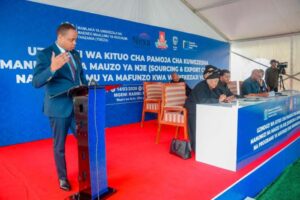
This was revealed today by the Minister in the President’s Office – Planning and Investments, Prof Kitila Mkumbo, when tabling the 2025/26 National Development Plan.
The National Development Plan for 2025/26 – which is the first in the new long term national development plan – outlines the achievements and financial commitments made between 2020 and 2024 across key sectors.
The education sector topped the list of priorities. The government disbursed TSh922 billion to fund higher education student loans, benefiting thousands of university students nationwide.
Prof. Mkumbo noted in addition that TSh158 billion was allocated to the Employment Skills for Productivity Project (ESPJ), which focused on expanding technical and vocational education, particularly for youth.
Basic education also saw significant investment through the free education policy, with the government spending more than TSh24 billion to cover tuition-free primary and secondary schooling.
He said the initiative helped increase enrollment, especially in underserved rural areas, and reduce the burden of school-related expenses on poor families.
“We have expanded both access and equity in education,” said Prof Mkumbo. “The challenge now is to match that access with quality improvements in teaching and infrastructure.”
In the health sector, he said the government constructed 1,254 new health centers across the country between 2023 and 2024, aimed at reducing the distance many rural citizens must travel to access medical care.
Availability of essential medicines in public health facilities rose from 75.6% in 2020 to 86% in 2024, an improvement credited to better supply chain management and increased funding.
He also noted that transport infrastructure was another key area of focus.
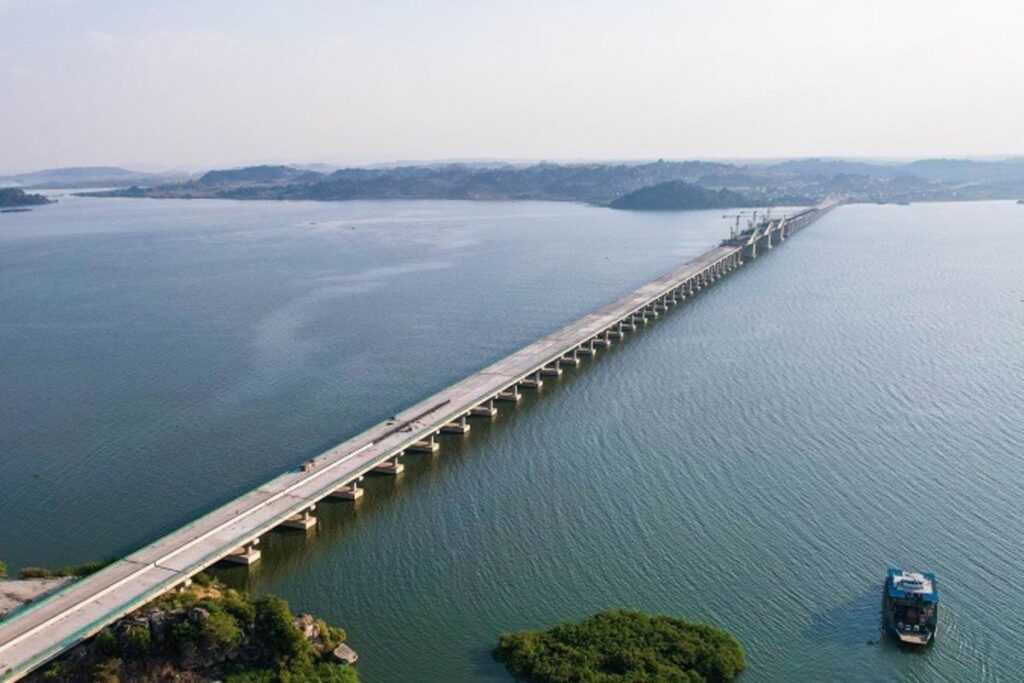
The country expanded its network of paved roads from 13,235 kilometers in 2020 to 15,366 kilometers by 2024. “These roads have enhanced rural-urban connectivity, boosted trade logistics, and reduced travel time for goods and services – particularly benefiting farmers and small businesses in remote areas,” he said.
Parliamentarians hailed the government in this areas noting that improved road infrastructure has been vital for economic integration.
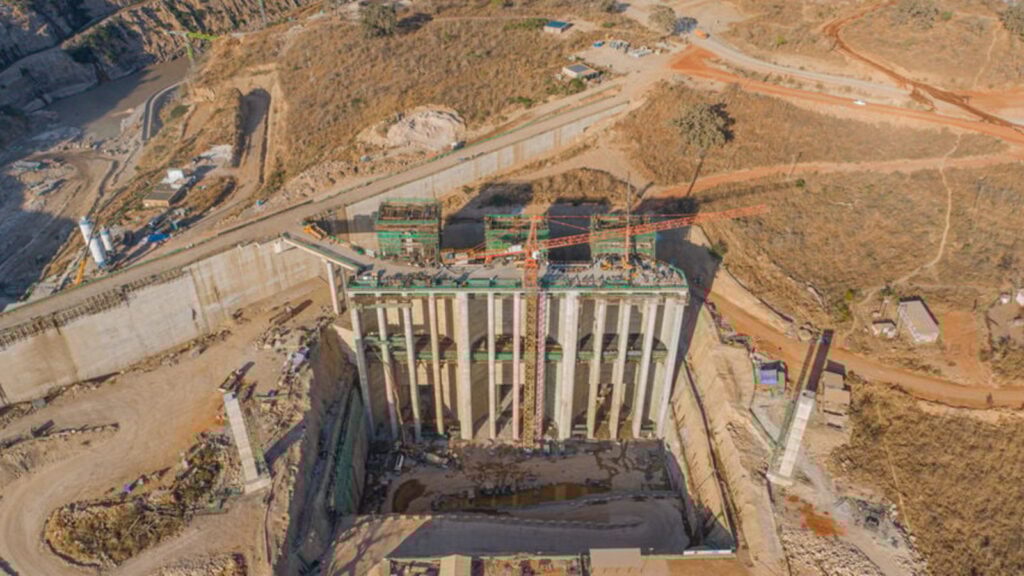
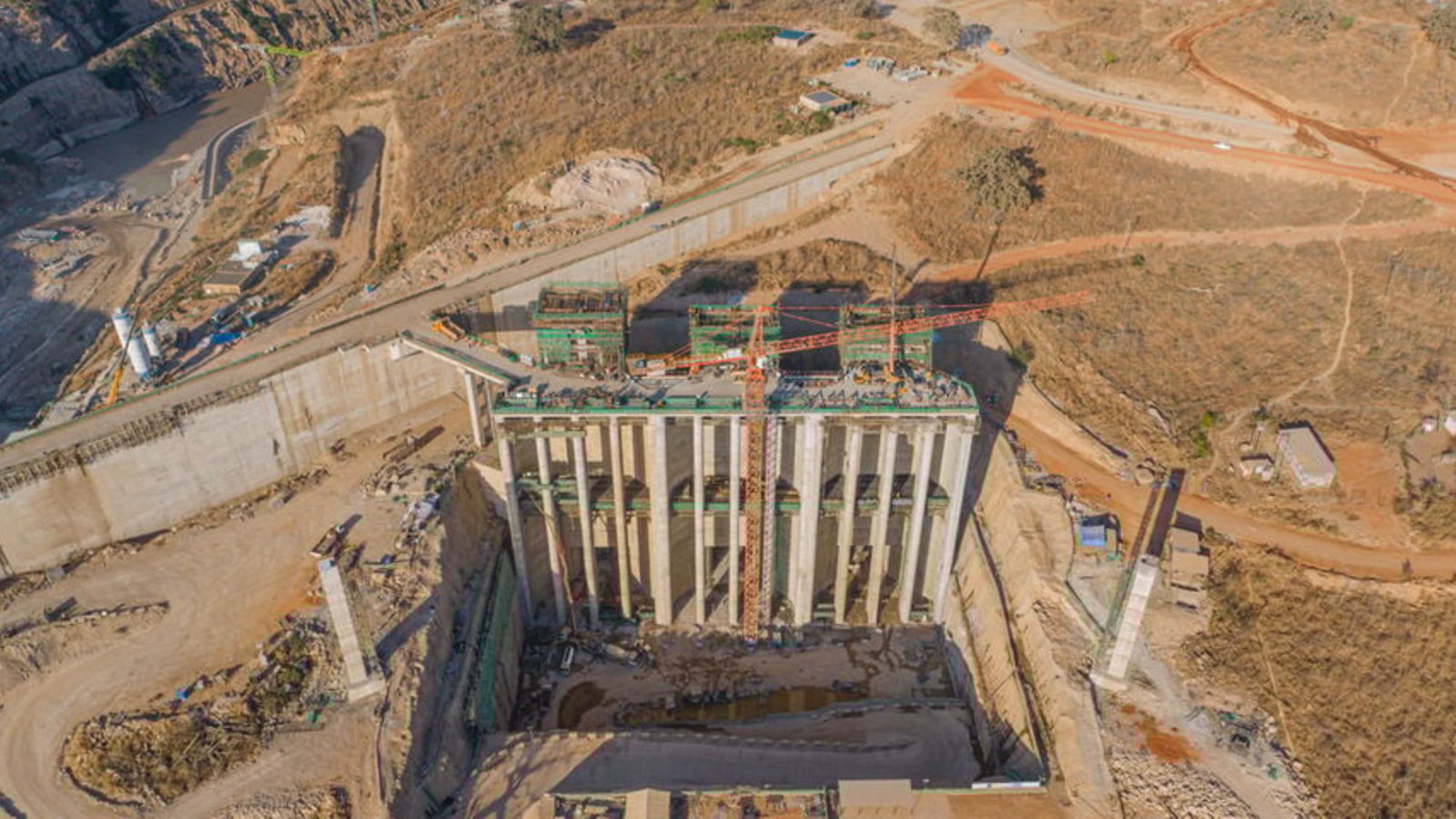
In the energy sector, Prof. Mkumbo said investments centered around the Julius Nyerere Hydropower Project (JNHPP) and rural electrification initiatives.
“These projects have not only improved electricity supply nationwide but also increased industrial capacity and reduced dependency on fossil fuels,” he stressed.
The development plan also reports on progress in skills development.
Several vocational training institutions and university campuses – including those under VETA and the University of Dar es Salaam – received funding for construction and expansion, enhancing Tanzania’s human capital base.
While the investments have been substantial, stakeholders urge for stronger accountability mechanisms.
“Going forward, we need to focus not just on inputs but on measurable outcomes – improved literacy, health indicators, and economic returns,” said Prof. Mkumbo. As Tanzania prepares for the 2025/26 budget, the government has signaled its intention to shift from building new infrastructure to consolidating and maximizing the use of completed projects, with greater emphasis on monitoring and evaluation.