By Business Insider Reporter
The World Bank has approved a US$300 million (nearly TSh789 billion) financing package to help Tanzania enhance its disaster preparedness and response, with nearly 1.9 million citizens expected to benefit from the initiative.
The financing includes a US$100 million Development Policy Financing (DPF) for budget support and a US$200 million Catastrophe Deferred Drawdown Option (Cat-DDO), provided through the International Development Association (IDA).
The funding will support Tanzania’s efforts to manage climate, fiscal, and disaster-related risks more effectively.
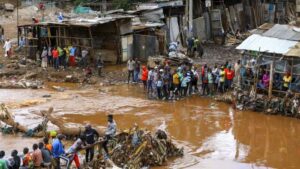
The initiative comes in response to recent disasters – including Cyclones Kenneth, Jobo, and Hidaya – which have claimed lives, displaced thousands, and caused an estimated US$368 million (about TSh968 billion) in damages.
With a growing population and economy, Tanzania is increasingly vulnerable to climate-related shocks.
“Tanzania is making steady progress but must double down on resilience through coordinated policy reforms,” said Nathan Belete, World Bank Division Director. “This financing will help implement a comprehensive disaster risk management framework.”
The program is anchored on three strategic pillars designed to enhance climate and disaster resilience in a comprehensive and sustainable manner.
“The economic losses from climate disasters are enormous,” added Yohannes Kesete, World Bank Senior Disaster Risk Management Specialist. “This support will enable Tanzania to respond faster and more effectively to emergencies.”
A history of strategic investment
Since joining IDA in 1961, Tanzania has received more than US$28 billion (TSh74 trillion) in support for key sectors including infrastructure, education, health, and agriculture.
In recent years, World Bank financing has underpinned several flagship programs, from rural electrification and road expansion to the national COVID-19 response and the Tanzania Social Action Fund (TASAF).
“This new disaster resilience package is not just about emergency response – it’s about long-term preparedness and sustainable growth,” said a World Bank spokesperson. “It aligns closely with Tanzania’s Vision 2025 and broader efforts to create a climate-resilient, inclusive economy.”
The program is built on three strategic pillars: strengthening disaster preparedness and coordination systems, integrating risk management into infrastructure and urban planning – particularly in Zanzibar’s water and energy sectors – and enabling access to global climate finance and carbon markets through improved regulatory frameworks.
Technical input for the program’s design was provided by the Global Facility for Disaster Reduction and Recovery (GFDRR), ensuring a data-driven, globally informed approach. With climate risks increasing across the region, the program is expected to provide critical support for Tanzania’s economic stability and the safety of its citizens.