By Business Insider Reporter
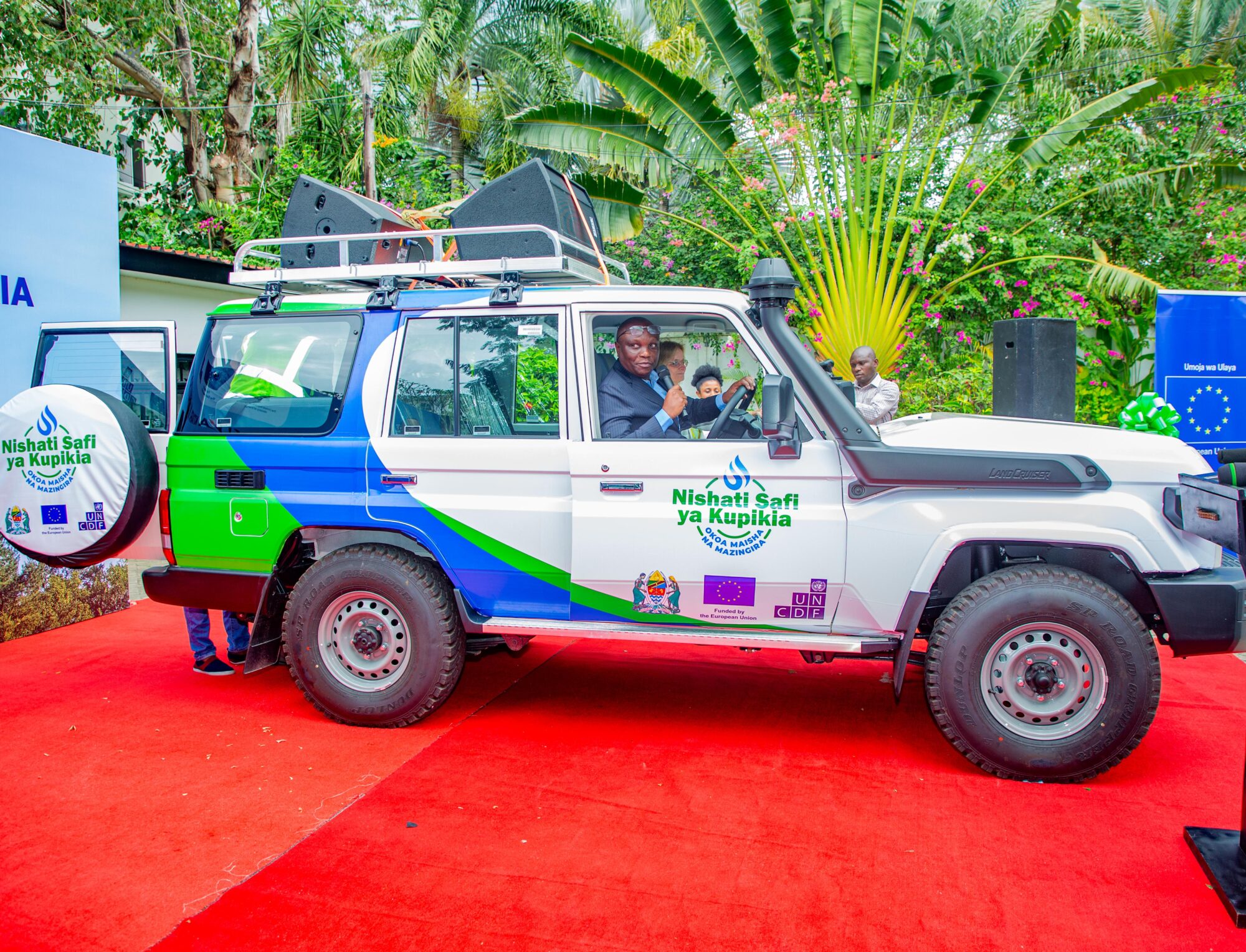
Tanzania has taken a major step in its nationwide drive to promote clean cooking energy, as the Ministry of Energy today Friday July 4, 2025 received two campaign vehicles from the European Union (EU) to support public awareness and education initiatives across the country.
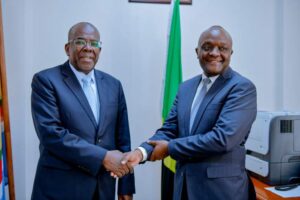
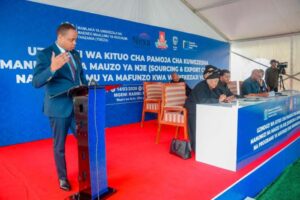
Speaking at the handover event, Deputy Permanent Secretary for Electricity and Renewable Energy, Dr. Khatibu Kazungu, reaffirmed the government’s commitment to ensuring Tanzanians transition from traditional fuels to safer, cleaner alternatives.
“Clean cooking energy is a global agenda, and as the Ministry of Energy, we are ready to implement it practically in support of President Samia Suluhu Hassan’s leadership,” Dr Kazungu declared.
The vehicles will be deployed under the “Save Lives and the Environment” clean cooking campaign, spearheaded by the ministry in collaboration with the UN Capital Development Fund (UNCDF).
The initiative aims to raise public awareness on clean cooking solutions across both urban and rural communities.
EU commits over €19 million
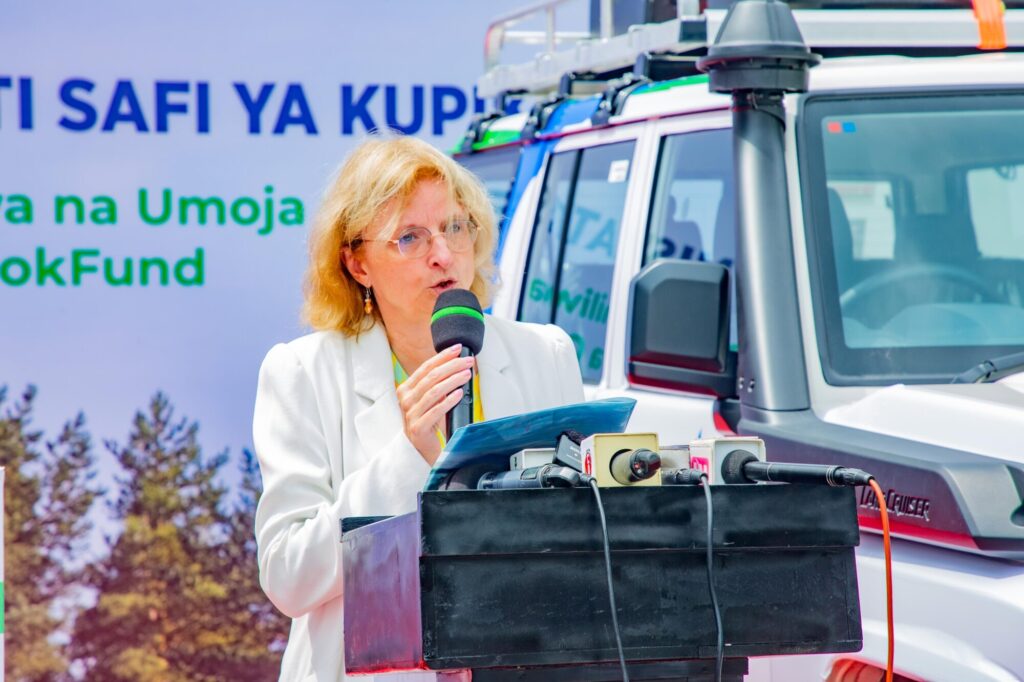
EU Ambassador to Tanzania, Christine Grau, praised the country’s efforts and confirmed the EU’s continued support, announcing that the bloc had committed €19.4 million (approx. TSh 59 billion) toward clean cooking projects in five key regions: Dar es Salaam, Dodoma, Pwani, Morogoro, and Mwanza.
In addition to the grant funding, Ambassador Grau handed over two campaign vehicles, valued at €130,000, which will be used to support community outreach and mobile education on clean energy practices.
“We are confident that the Ministry of Energy will ensure that these resources reach rural areas, where the need for clean cooking solutions is most urgent,” she said.
Clean cooking targets for 2034
Tanzania is currently rolling out its National Strategy for Clean Cooking Energy, with a strong focus on public engagement under the National Communications Strategy. The government’s target is for 80% of Tanzanians to use clean cooking energy by 2034 – a significant shift from the current reliance on charcoal, firewood, and other polluting fuels.
Dr. Kazungu also extended gratitude to UNCDF and the EU, noting that the Clean Cooking Energy Fund (CookFund) is already changing perceptions and improving lives in several communities.
“This project is not only transforming how people cook, but also how they think about energy, health, and environmental sustainability,” he said.
The UNCDF reaffirmed its commitment to working with the Ministry to ensure communities – especially those in remote areas – gain access to clean cooking knowledge and resources.
The clean cooking campaign is seen as a critical element of Tanzania’s broader energy transformation and climate agenda.
In addition to reducing indoor air pollution and deforestation, the initiative supports women’s empowerment, health improvements, and green innovation across the country. As the vehicles hit the road this month, communities across Tanzania can expect to see more active engagement on clean energy – and stronger momentum toward a cleaner, healthier future.