
By Business Insider Reporter
Tanzania has emerged as one of the top five electricity regulators in Africa, according to the 2024 Electricity Regulatory Index (ERI) released by the African Development Bank (AfDB).
This marks a significant milestone in the country’s push toward creating a more transparent, efficient and investor-friendly energy sector.
With a score of 0.823, Tanzania ranks fifth out of 43 participating countries, joining Senegal, Kenya, Uganda and Namibia in the top-performing cohort. The achievement reflects Tanzania’s steady progress in reforming its electricity regulatory framework, improving governance, and aligning with global best practices.
Regulatory reforms boost Tanzania’s appeal
The ERI assesses the performance of African electricity sector regulators based on three key pillars: Regulatory Governance, Regulatory Substance, and Regulatory Outcomes. Tanzania’s consistent performance across all three pillars indicates a well-rounded and maturing regulatory environment.
“This recognition is a strong endorsement of the regulatory reforms Tanzania has implemented in recent years,” said an official at the Energy and Water Utilities Regulatory Authority (EWURA), the country’s sector regulator. “It sends a clear message to investors that Tanzania is serious about creating a stable and predictable environment for energy investment.”
The index also highlights how Tanzania, along with other top scorers, has moved from merely passing laws to effectively implementing them, especially in areas such as tariff methodology, stakeholder engagement, and dispute resolution mechanisms.
A win for the investment climate
According to AfDB Vice President for Power, Energy, Climate and Green Growth, Kevin Kariuki, strong regulatory frameworks reduce risk perceptions among investors – a critical factor in attracting long-term private capital into the power sector.
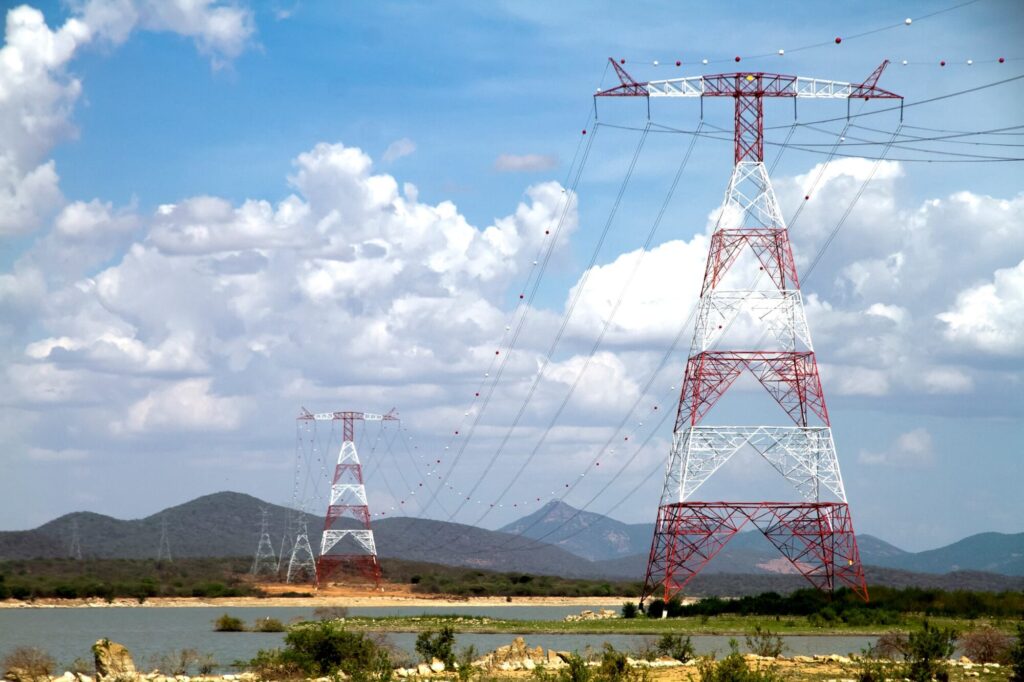
Tanzania is currently pursuing ambitious goals under its Power System Master Plan, including rural electrification, renewable energy development, and expansion of the national grid.
These projects require billions of dollars in financing, much of which is expected to come from the private sector.
“Reliable regulation reduces uncertainty, which is exactly what foreign and domestic investors are looking for. Tanzania’s performance in the ERI will certainly raise its profile among project developers and financiers,” noted Dr. Edwin Kweka, an independent energy consultant based in Dar es Salaam.
Why the ERI score matters
This year’s ERI is particularly meaningful as it marks the first time the continental average has crossed the 0.6 threshold, with Tanzania contributing to the upward trend. In 2021, Tanzania was outside the top five but has since implemented key reforms, including more transparent tariff-setting procedures and improved independence in regulatory decision-making.
The ERI report states that many regulators, including Tanzania’s, now publish accessible explanations for their decisions and have established mechanisms to resolve disputes both between energy companies and with consumers.
These developments have enhanced trust and accountability in the system.
With global attention turning toward sustainable energy and regional power integration, Tanzania’s regulatory strength could play a strategic role in regional initiatives such as the Eastern Africa Power Pool (EAPP) and Mission 300 – a continent-wide drive to accelerate access to electricity.
Tanzania is already playing a growing role in cross-border energy trade, including its participation in the Rusumo Hydropower Project and future interconnection plans with neighbouring countries.
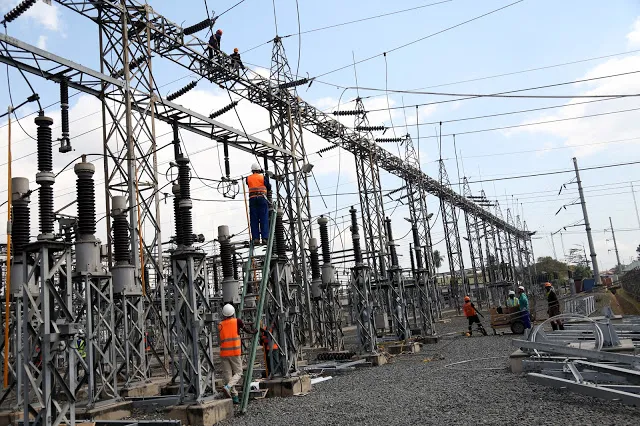
Strong regulatory alignment is crucial for harmonising grid codes and attracting capital for transmission infrastructure.
“Sound regulation is the foundation of any successful energy transition. It ensures that private operators, consumers, and governments all play by the same rules,” said Kariuki at the ERI launch in Cape Town last week.

What’s next for Tanzania?
Despite the success, experts caution that there is more to be done.
While the ERI score reflects a solid foundation, continued progress requires depoliticising tariff decisions, further empowering regulators, and strengthening consumer protection frameworks.
AfDB officials note that one of the biggest challenges across Africa remains political interference in regulatory matters.
They recommend ongoing capacity-building efforts, political education on the role of regulators, and full autonomy in implementing pricing frameworks.
Tanzania’s Ministry of Energy has already signalled plans to expand its renewable energy investment framework, with solar, wind and geothermal potential attracting new attention. The government has also reiterated its commitment to increasing electrification from under 40% in rural areas to over 75% by 2030.