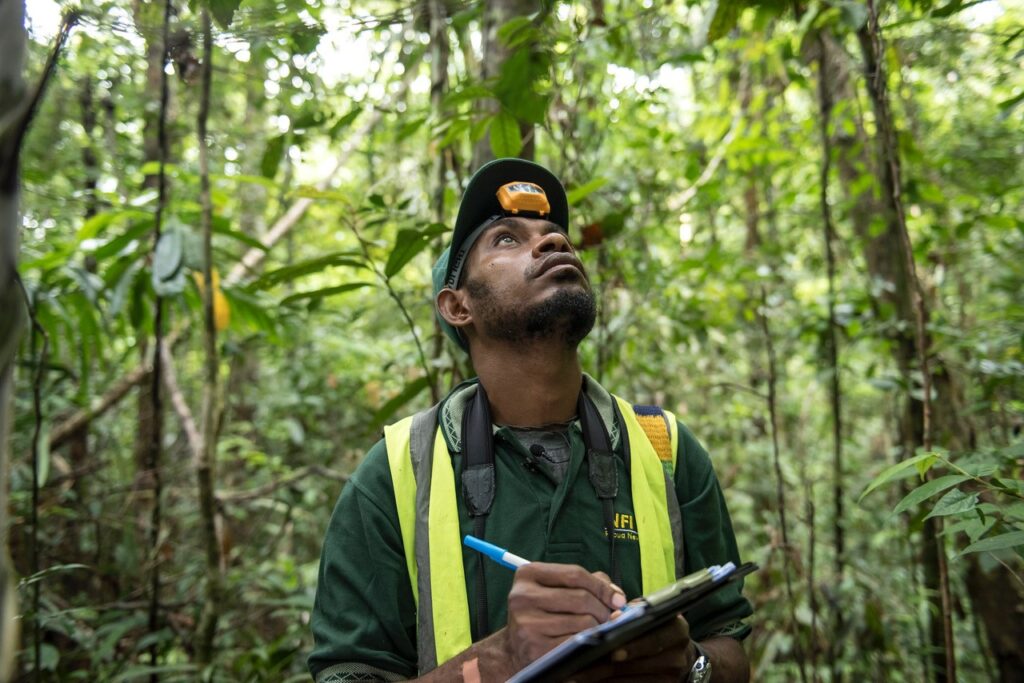

By Business Insider Reporter, Dodoma
Tanzania has earned TSh 45 billion from carbon credit trading, becoming one of the East African leaders in monetising climate mitigation efforts under voluntary carbon markets.
The revenue has been disbursed to citizens across ten local government authorities, marking a significant milestone in the country’s environmental and economic strategy.
The figure was revealed by Deputy Minister of State in the Vice-President’s Office (Union and Environment), Mr. Khamis Hamza Khamis, during a parliamentary session in response to a question from Special Seats MP Bernadetha Mushashu.
“Carbon trading is already delivering tangible benefits. The 73 registered projects across the country support reforestation, renewable energy, agriculture, livestock and waste management. These initiatives not only generate revenue but also reduce greenhouse gas emissions and create employment,” said Mr Khamis.
According to the deputy minister, 51% of the projects are in forestry, 33% in energy, 8% in agriculture, 5% in livestock and 3% in waste management.
The funds generated are channeled into community development, such as building schools and health centres, providing health insurance, subsidising school fees and supporting student nutrition.

A growing carbon market race
While Tanzania’s early earnings are promising, the carbon market race is intensifying across East Africa.
Kenya and Uganda have also entered the space aggressively, but Tanzania is emerging as a regional front-runner, especially in community-based REDD+ (Reducing Emissions from Deforestation and Forest Degradation) projects.
Kenya, with projects in the Chyulu Hills and Kasigau Corridor, has historically dominated voluntary carbon markets in East Africa.
Its Kasigau REDD+ project alone has generated over US$ 30 million (TSh 78 billion) since inception, but recent reports highlight challenges with transparency and benefit-sharing among communities.
Uganda has more than 20 projects underway, but the government recently paused new agreements to review benefit-sharing mechanisms and safeguard community rights – slowing down progress.
In comparison, Tanzania’s regulatory clarity and community payout structure are being viewed as a model for balancing profit and participation.
The government requires all carbon project developers to register and align with national climate targets as outlined in Tanzania’s Nationally Determined Contributions (NDCs).
“We want these projects to restore our forests and land, while directly benefiting the people. That’s how we ensure both environmental and economic sustainability,” Khamis added.
A new revenue stream
Carbon trading involves selling carbon credits – essentially certificates representing a tonne of carbon dioxide avoided or removed from the atmosphere – to companies and countries seeking to offset their emissions.
Tanzania, with its vast forest reserves and growing renewable energy sector, is well-placed to become a carbon credit powerhouse.
Development partners such as Norway have also stepped in to support the establishment of monitoring, reporting, and verification systems (MRV) to ensure transparency and build investor confidence.
In her supplementary question, MP Mushashu asked about eligibility criteria for starting carbon projects.
The deputy minister clarified that individuals or organisations must register legally, secure land tenure, and present a viable and verifiable project proposal in line with international carbon standards.
A billion-dollar opportunity?
According to McKinsey & Company, Africa could supply 30–40% of the world’s carbon credits by 2030.
If Tanzania continues to streamline regulation and build trust among investors and communities, its carbon market revenues could reach over US$ 500 million (TSh 1.3 trillion) by the end of the decade. For Tanzania – and the region as a whole – carbon trading is no longer a niche climate tool. It’s quickly becoming a strategic economic frontier where environment and enterprise converge.