By Business Insider Reporter
The government has confirmed that its citizens currently residing in Israel and Iran are safe, as it initiates urgent measures to repatriate them following a surge in hostilities between the two Middle Eastern nations.
The Ministry of Foreign Affairs and East African Cooperation, said in a statement issued on June 19, 2025, assured the public that over 360 Tanzanians in the two countries are accounted for, including students, embassy staff and professionals working across various institutions.
Rising tensions, immediate response
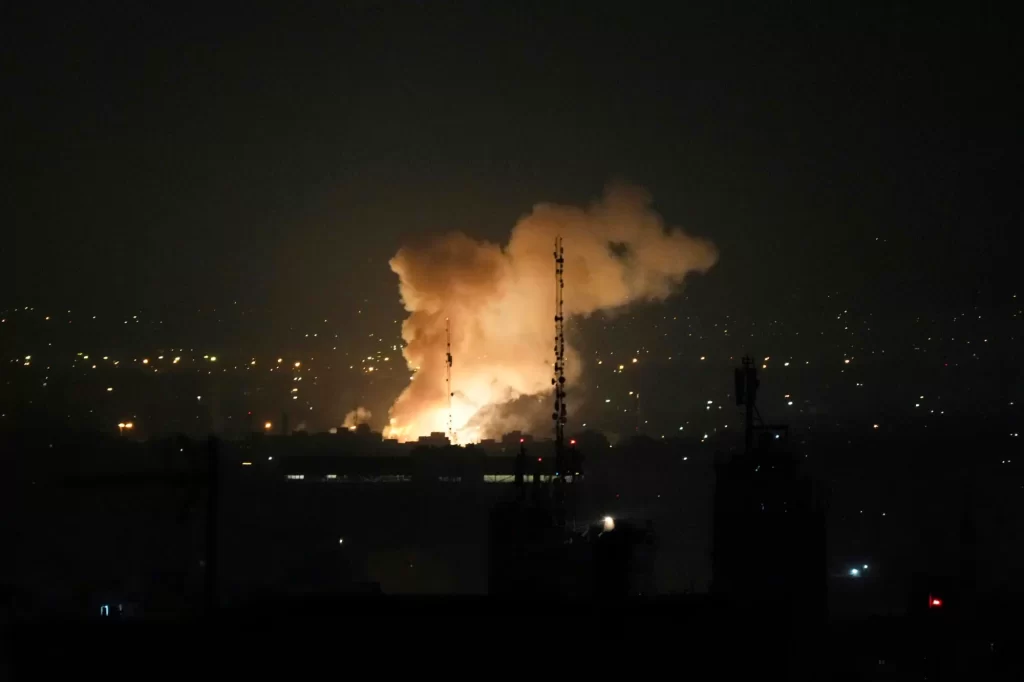
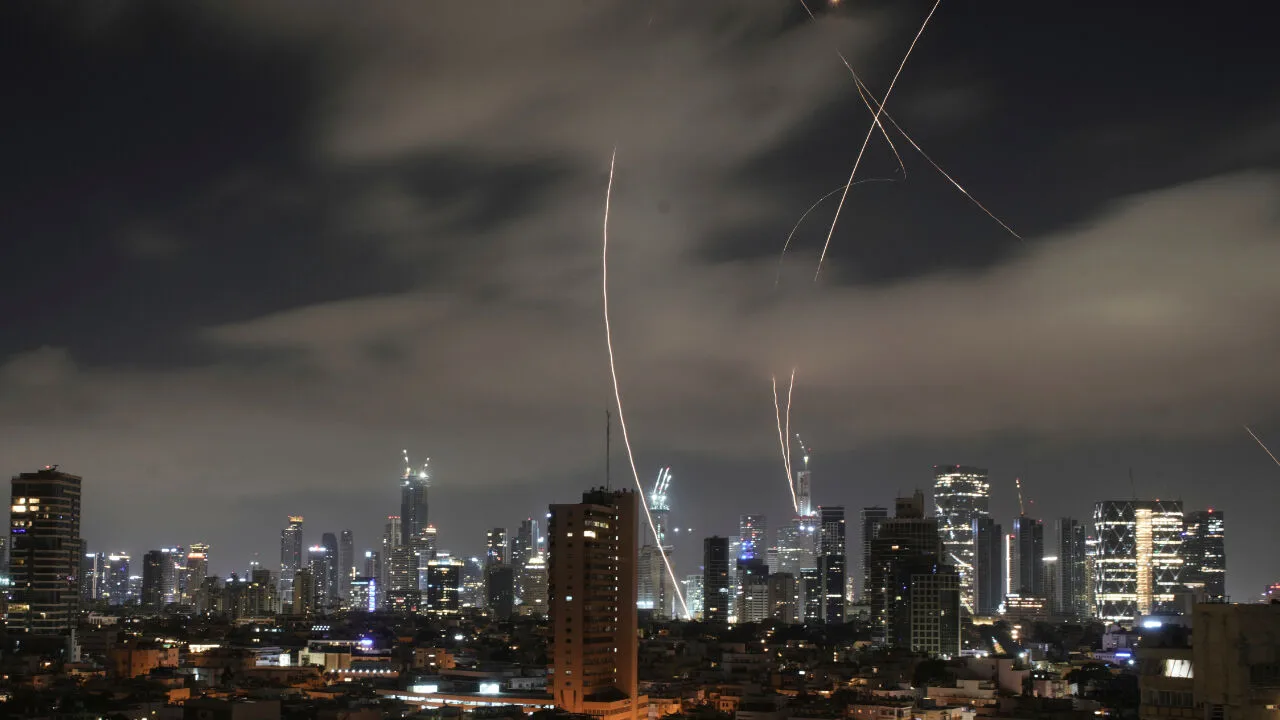
The current crisis began on 13 June 2025, when Israel and Iran entered into a fresh round of military confrontations, triggering international alarm and emergency evacuations by several countries.
The conflict has led to heightened insecurity in both nations, with potential threats to foreign nationals, including Tanzanians.
Tanzania’s government, through its embassies in Israel, the United Arab Emirates, Egypt and Kuwait, is actively coordinating the safe return of its citizens, the Ministry says.
The UAE mission is acting as Tanzania’s representative in Iran due to the absence of a direct embassy there.
“We have already registered 50 Tanzanians in Israel requesting evacuation,” the ministry noted. “Efforts are underway to ensure their safe return.”
In Iran, the government has identified 168 Tanzanians, with 134 students based in Qom and another 34 in Tehran.
In Israel, estimates suggest over 200 Tanzanians are currently present, including diplomats and workers in international organisations.
Embassy operations and safety status
The government has confirmed that Tanzania’s embassy building in Tel Aviv has not sustained any damage in recent missile attacks.
No embassy staff or their families were harmed, as all had taken precautionary measures.
“We remain in close contact with our citizens and continue advising them to follow security protocols and maintain communication with embassy officials,” said a ministry spokesperson.
Regional and economic implications
Beyond the immediate evacuation, the Middle East conflict carries potential economic and diplomatic implications for Tanzania and the East African region.
Tanzania relies heavily on fuel imports, and further instability could trigger global oil price hikes, translating into higher domestic energy and transport costs.
Additionally, any prolonged disruption to trade routes in the Middle East could affect air and sea freight logistics, impacting Tanzanian exporters and importers, especially those linked to Gulf markets.
International cooperation action
Tanzania is working with international partners and humanitarian networks to facilitate safe corridors for evacuation, particularly for students and vulnerable groups. It has also initiated coordination with families of those abroad to ensure smooth reintegration once returnees arrive.
The Ministry has reiterated its commitment to protecting Tanzanian citizens abroad and advised the public to remain calm as evacuation plans progress.
This latest round of conflict between Israel and Iran is one of the most intense in recent years, involving direct military strikes on strategic targets, raising fears of a broader regional war.
Countries including the United States, Germany, and South Africa have already begun repatriating their nationals. Tanzania’s response reflects a broader shift in its foreign policy preparedness and crisis management capacity, especially as global conflicts increasingly spill into diplomatic, economic, and humanitarian domains.