By Business Insider Reporter
As the world races to finalise a global treaty to end plastic pollution, East African nations are quietly transforming their economies to reduce dependence on plastics and nurture new industries built on sustainability. Tanzania, in particular, has emerged as one of the region’s most proactive players – leveraging regulation, investment and regional cooperation to cut plastic waste while unlocking fresh industrial potential.
A regional drive toward green industrialisation
Across East Africa, governments are working to align trade, manufacturing and waste systems with the growing global demand for sustainable materials. The East African Community (EAC) is now reviewing a draft regional law that will harmonise rules on single-use plastics across its eight member states – including Tanzania – and close cross-border loopholes that often undermine national actions.
The proposed bill goes beyond bans. It introduces Extended Producer Responsibility (EPR) obligations, incentives for sustainable alternatives, and protections to help integrate informal waste collectors into a formal circular economy.
Tanzania’s early action pays off
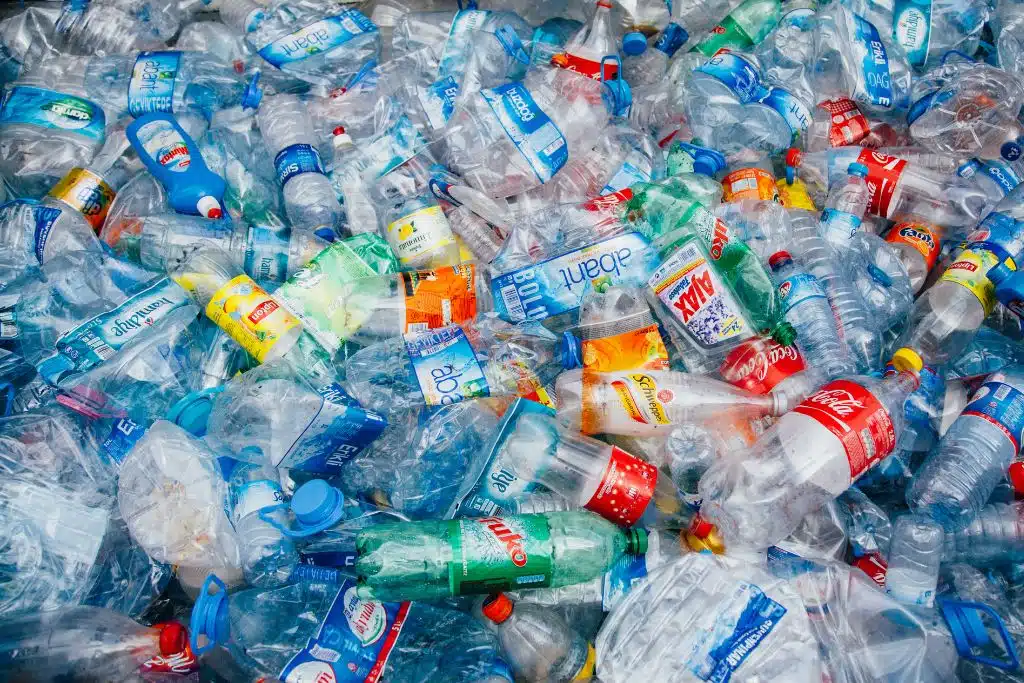
Long before the current regional push, Tanzania took decisive steps in 2019 by imposing one of Africa’s strictest bans on single-use plastic bags. The move – initially viewed with scepticism – has since been widely praised for drastically reducing pollution in cities, coastlines and waterways.
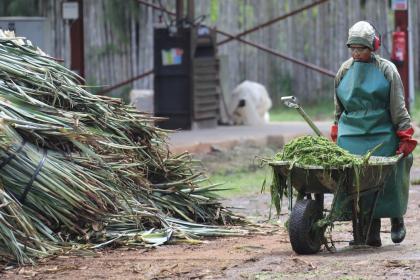
The ban has also pushed supermarkets, manufacturers, hospitality operators and consumers to adopt reusable bags and biodegradable packaging, fuelling investment into local alternatives such as canvas, sisal and recycled-paper products.
Building the foundations of a circular economy
As East Africa accelerates towards green industrialisation, Tanzania is strengthening its own policy and market ecosystem:
Plastics regulations (2021–2024): The government introduced tighter controls on plastic production and importation, ensuring that only approved industrial plastics used in essential sectors – such as construction, agriculture and health – are permitted.
Boost for recycling industries: Private-sector investments have risen sharply, with recycling plants in Dar es Salaam, Morogoro and Arusha processing PET bottles, HDPE packaging and industrial plastics into new products for local and export markets.
Support for informal waste collectors: Local authorities have increasingly partnered with community waste-picking groups, providing equipment and integrating them into municipal waste-management systems – mirroring provisions that the EAC now seeks to formalise regionally.
Promotion of alternative materials: Initiatives supported by development partners have helped farmers and manufacturers pilot biodegradable materials, including cassava starch packaging and fibre-based products.
Innovation meets industrial strategy
For Tanzania, plastics policy is no longer just an environmental intervention – it is part of a wider industrial modernisation plan. By pushing businesses to innovate and diversify, the country aims to position itself as a regional hub for natural and biodegradable substitutes.
This mirrors Ghana’s pioneering plastics blueprint, developed with UN Trade and Development’s SMEP programme, which uses plastics policy to power industrial transformation rather than merely reduce waste.
Leading the transition in East Africa
With the EAC preparing to adopt a combined strategy to phase out harmful single-use plastics, Tanzania’s head start gives it a competitive advantage. The shift is expected to spur new green industries, create jobs for youth and women, and strengthen the country’s participation in emerging global bioeconomy value chains. As Africa looks ahead to a new era of sustainable industrialisation, Tanzania’s experience shows how plastics regulation – when linked with innovation and economic planning – can drive both environmental protection and long-term economic growth.