By Business Insider Reporter
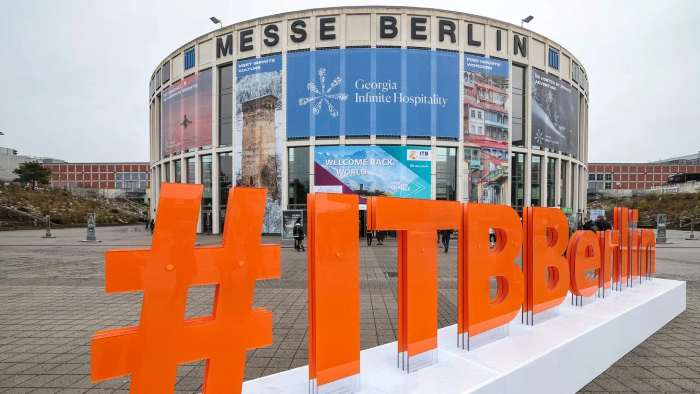
Tanzania stepped up its global tourism marketing drive with a strong presence at this year’s edition of ITB Berlin, which is widely regarded as the world’s leading travel trade exhibition and one of the most influential marketplaces for the global tourism industry.
Officials say the country’s participation at the high-profile showcase is part of a broader strategy aimed at attracting high-value tourists, expanding international visibility for Tanzania’s tourism offerings, and boosting foreign exchange earnings from one of the country’s most important economic sectors.
Speaking on the sidelines of the exhibition last week, Ernest Mwamwaja, Director of Marketing at the Tanzania Tourism Board (TTB), said Tanzania is intensifying efforts to position itself more competitively in key global markets.
“Our participation at ITB Berlin is part of a deliberate strategy to strengthen Tanzania’s presence in important international tourism markets,” he said. “We want the world to see Tanzania not only as a safari destination, but as a diverse tourism hub capable of delivering a wide range of experiences.”
Tanzania has long been internationally recognised for its iconic wildlife destinations such as the Serengeti National Park and the Ngorongoro Conservation Area, which continue to attract visitors seeking world-class safari experiences.
However, the country is now actively promoting a broader tourism portfolio that includes beach tourism, cultural heritage, adventure travel, and nature-based experiences.
According to Mr. Mwamwaja, the diversification strategy aims to encourage tourists to stay longer and explore more destinations within the country, thereby increasing tourism spending and economic benefits.
“While our wildlife heritage remains one of the strongest tourism brands in the world, Tanzania offers far more – from pristine beaches and rich cultural heritage to adventure tourism and unique landscapes,” he said. “Our goal is to package these experiences together so visitors can enjoy multiple destinations in one trip.”
The European market remains a key pillar of Tanzania’s tourism strategy, with countries such as Germany continuing to rank among the most important sources of visitors.
“The interest we are seeing here at ITB Berlin is very encouraging,” Mr. Mwamwaja noted. “Europe, particularly Germany and neighbouring markets, continues to demonstrate strong demand for Tanzania’s tourism products.”
Local industry stakeholders attending the exhibition – including tour operators, travel agencies, and hospitality companies also used the platform to expand business networks and establish new partnerships within the global travel trade.
Tourism authorities say collaboration with international tour operators and airlines is essential to unlocking new markets and strengthening Tanzania’s competitiveness as a long-haul destination.

“Tourism growth is driven by strong partnerships across the travel value chain,” Mr. Mwamwaja said. “By working closely with tour operators, airlines and other travel trade partners, we are expanding Tanzania’s reach and improving the tourism packages available to international travellers.”
Alongside growth ambitions, sustainability remains central to the country’s tourism agenda. Officials say protecting Tanzania’s natural ecosystems and ensuring local communities benefit from tourism development are critical priorities for the sector’s long-term success.
“Tanzania’s tourism growth must go hand in hand with sustainability,” Mr. Mwamwaja emphasised. “Protecting our natural heritage and ensuring that tourism benefits local communities is fundamental to the future of the industry.” As global travel demand continues to recover and competition among destinations intensifies, Tanzania is betting that targeted marketing, diversified tourism products, and stronger global partnerships will help position the country among the world’s most competitive and desirable travel destinations.