By Business Insider Reporter
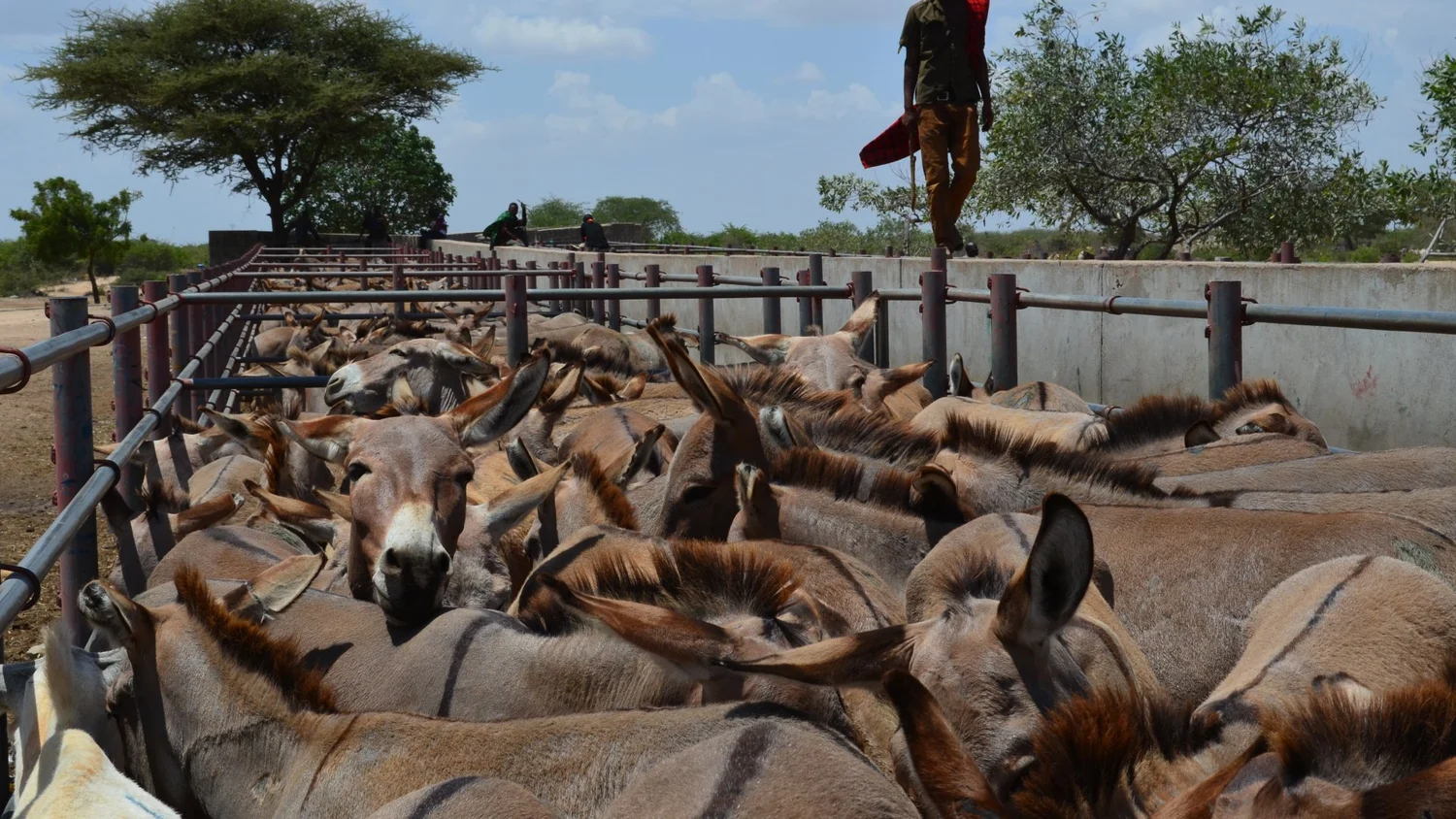
Tanzania’s rural economy is coming under growing pressure from an international trade that is driving Africa’s donkey populations to the brink of collapse.
The demand for donkey hides, used in China to produce a traditional medicine product known as ejiao, is reshaping livestock markets across East Africa – and Tanzania is not immune.
In neighbouring Kenya, official statistics show the donkey population halved in just three years after traders moved aggressively to supply hides for export.
Kenya shut down licensed slaughterhouses in 2020, but illegal cross-border trade has continued, with many donkeys smuggled from or through Tanzania to feed demand. Investigators report that stolen or cheaply purchased animals are often slaughtered in makeshift facilities before their hides are shipped abroad, frequently misdeclared as generic “animal skins.”
For Tanzanian households, particularly in rural regions where modern transport is limited, the consequences are severe.
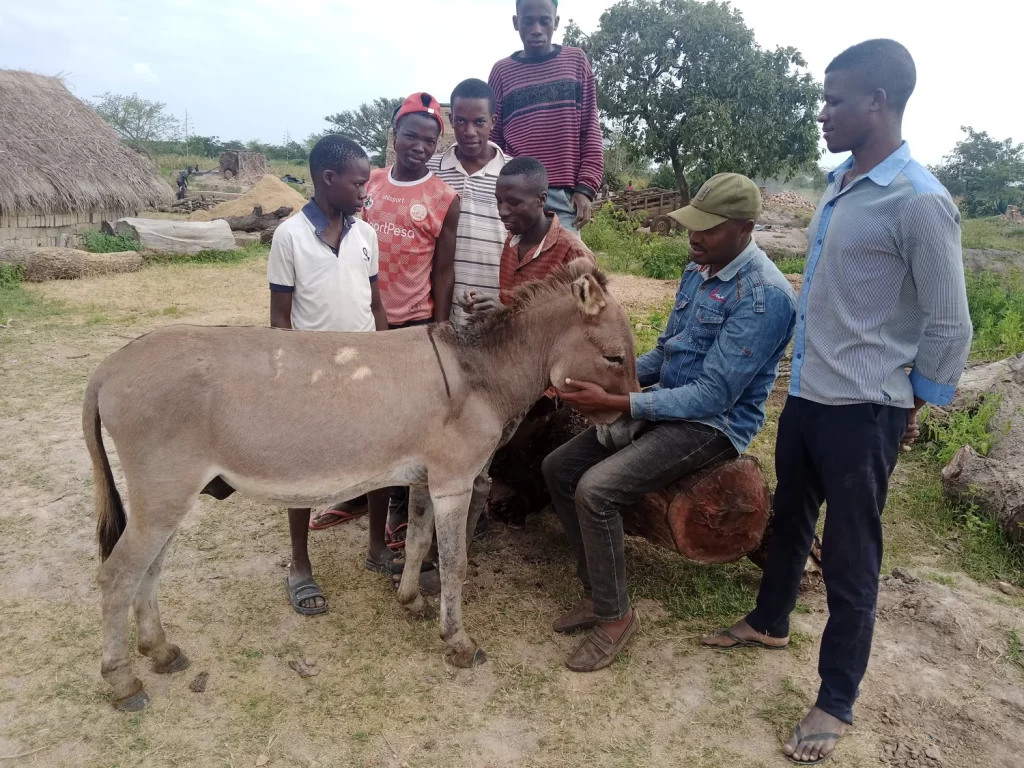
Donkeys are not simply livestock; they are essential tools of survival. Families rely on them to fetch water, carry firewood, transport goods to market, and take children to school or mothers to clinics.
A single donkey can save a household dozens of hours of heavy labour each week. Their disappearance therefore translates directly into deeper poverty, heavier workloads for women and children, and reduced school attendance.
Reports from border regions suggest prices have already spiked.
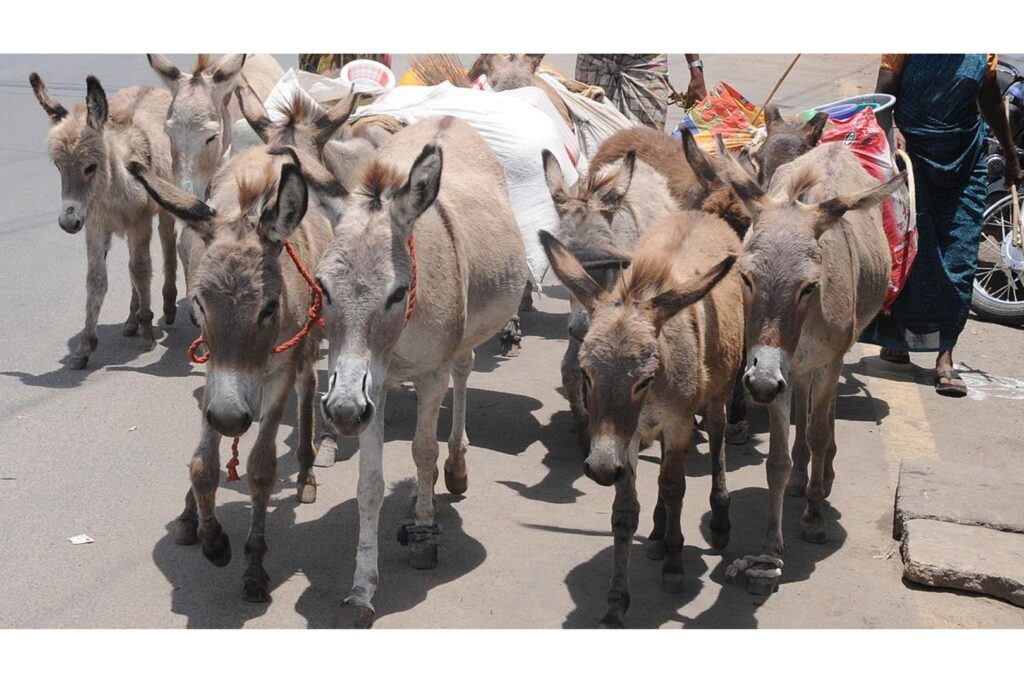
In parts of northern Tanzania, the cost of a donkey has more than doubled in recent years, putting them out of reach for poorer families.
Some households, under financial pressure, sell their animals to cover urgent expenses like school fees – only to find themselves unable to buy another at inflated market rates. Theft has also risen, with animals disappearing overnight, leaving families stranded.
The African Union has recognised the crisis, announcing in 2024 a continent-wide 15-year ban on the slaughter of donkeys for hides.
Tanzania, as a member, is expected to enact national laws to enforce the ban. Implementation will be critical: without proper monitoring at markets and borders, traffickers can continue exploiting loopholes.
Animal welfare groups warn that criminal networks adapt quickly, moving donkeys across porous borders or processing them in informal slaughter sites that escape veterinary oversight.
For Tanzania, the stakes are both social and economic. If the country loses a significant portion of its donkey population, rural productivity could fall sharply.
Women and children would carry heavier burdens, food and water security would be strained, and local markets could stagnate.
The wider economy could also feel the impact: agriculture and small-scale trade depend heavily on donkey transport in areas where trucks and motorbikes are too expensive or impractical.
There is also a public health angle. Informal slaughter without proper hygiene or inspection raises the risk of zoonotic diseases – illnesses that jump from animals to humans.
In an era still shaped by the COVID-19 pandemic, the spread of unregulated animal products poses a risk not just to Tanzania but to regional and global health security.
At the same time, the crisis highlights business and policy opportunities.
Enforcing the AU ban could encourage investment in alternative transport solutions for rural households, such as affordable carts, bicycles, or small mechanised vehicles.
There is also growing interest in developing lab-grown collagen to replace animal hides in the ejiao industry, which could reduce pressure on Africa’s donkeys if adopted at scale. Tanzania could benefit by supporting such innovations while protecting its livestock base.
Ultimately, the donkey crisis is not just about animals; it is about people. For Tanzania, protecting donkeys means protecting the livelihoods of millions who depend on them daily. As global demand for hides shows no sign of slowing, decisive national action will determine whether Tanzanian families continue to have their “silent partners” in survival – or whether they, too, will face the harsh reality of life without donkeys.