By Business Insider Reporter, Kibaha
The Ministry of Energy has launched a nationwide training initiative aimed at strengthening understanding and coordination in the implementation of the National Clean Cooking Strategy, targeting regional and council-level Clean Cooking Desk Officers across all 26 regions.
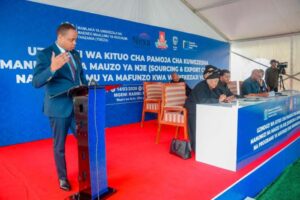
The programme, which began in Kibaha, Pwani Region, is designed to equip local officers with the knowledge and tools necessary to promote the adoption of clean cooking energy at community and institutional levels – a critical step in Tanzania’s journey toward universal access to sustainable energy by 2030.
Speaking during the official opening of the training, Ms. Hadija Mruma, representing the Pwani Regional Administrative Secretary, commended the Ministry of Energy for its practical commitment to promoting clean cooking solutions.
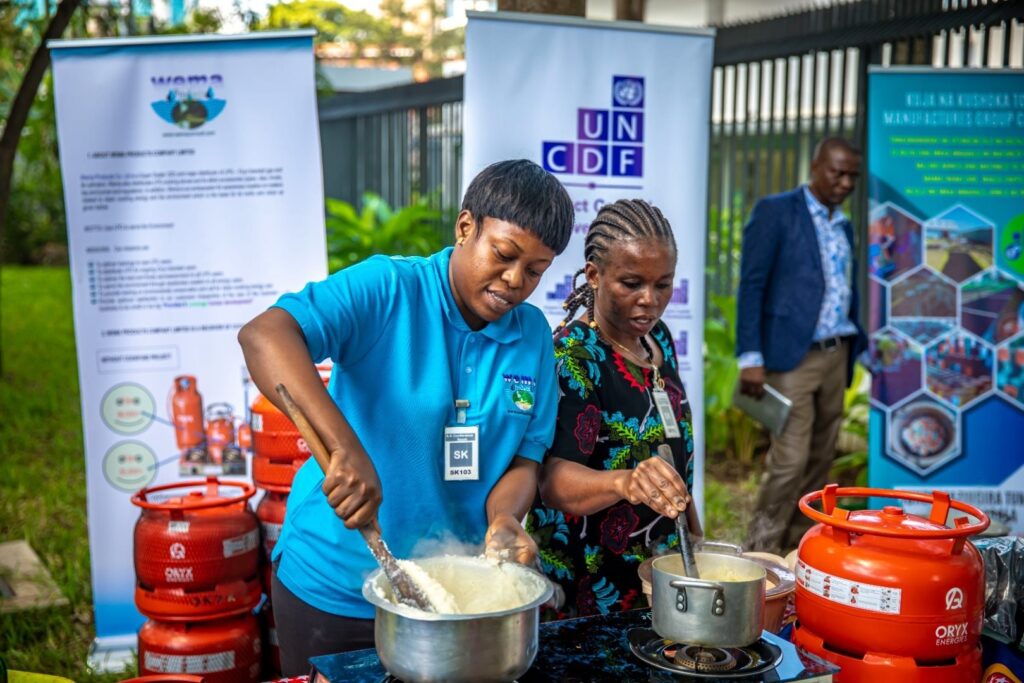
“The Ministry is not only providing education but ensuring that clean cooking technologies and equipment reach every level – from regional offices to local councils and villages,” she said.
Ms. Mruma noted that Pwani Region has made remarkable progress in promoting the use of clean cooking energy. Currently, 76 per cent of institutions serving more than 100 people have transitioned to clean cooking alternatives, demonstrating how local leadership and partnerships can drive behavioural change.
She also applauded the Rural Energy Agency (REA) for working closely with regional authorities to support the adoption of clean cooking energy, including facilitating access to subsidised gas cylinders for households and institutions.
A nationwide effort for a shared vision
According to Mr. Ngereja Mgejwa, representing the Director of Clean Cooking Energy at the Ministry of Energy, the initial phase of the training involves officers from Pwani, Morogoro, Dar es Salaam, Mtwara, Lindi and Tanga.
He explained that the programme will gradually cover all 26 regions and their respective councils, ensuring that every Clean Cooking Desk Officer across Tanzania is empowered with a shared understanding of policy goals and implementation roles.
“The adoption of clean cooking energy is a national and global priority – not only for environmental protection but also for health and economic well-being,” said Mr. Mgejwa.
He added that the move aligns with Tanzania’s commitments under the National Energy Policy and the global agenda for sustainable development, as the country seeks to eliminate dependence on charcoal and firewood — major contributors to deforestation and indoor air pollution.
Communication as a key driver
The Head of Communications at the Ministry of Energy, Ms. Neema Mbuja, highlighted the importance of communication in advancing the clean cooking agenda.
She explained that the training also includes sessions on the National Clean Cooking Communication Strategy, which provides a framework for how stakeholders can collaborate to educate the public and dispel misconceptions surrounding clean cooking technologies.
“For the clean cooking campaign to succeed, desk officers must understand how to use communication tools and messages that resonate with the communities they serve,” said Ms. Mbuja.
She emphasised that the strategy guides both public and private stakeholders in crafting unified messages that promote positive attitudes and behavioural change, ultimately accelerating the adoption of clean cooking solutions nationwide.
Towards a sustainable energy future
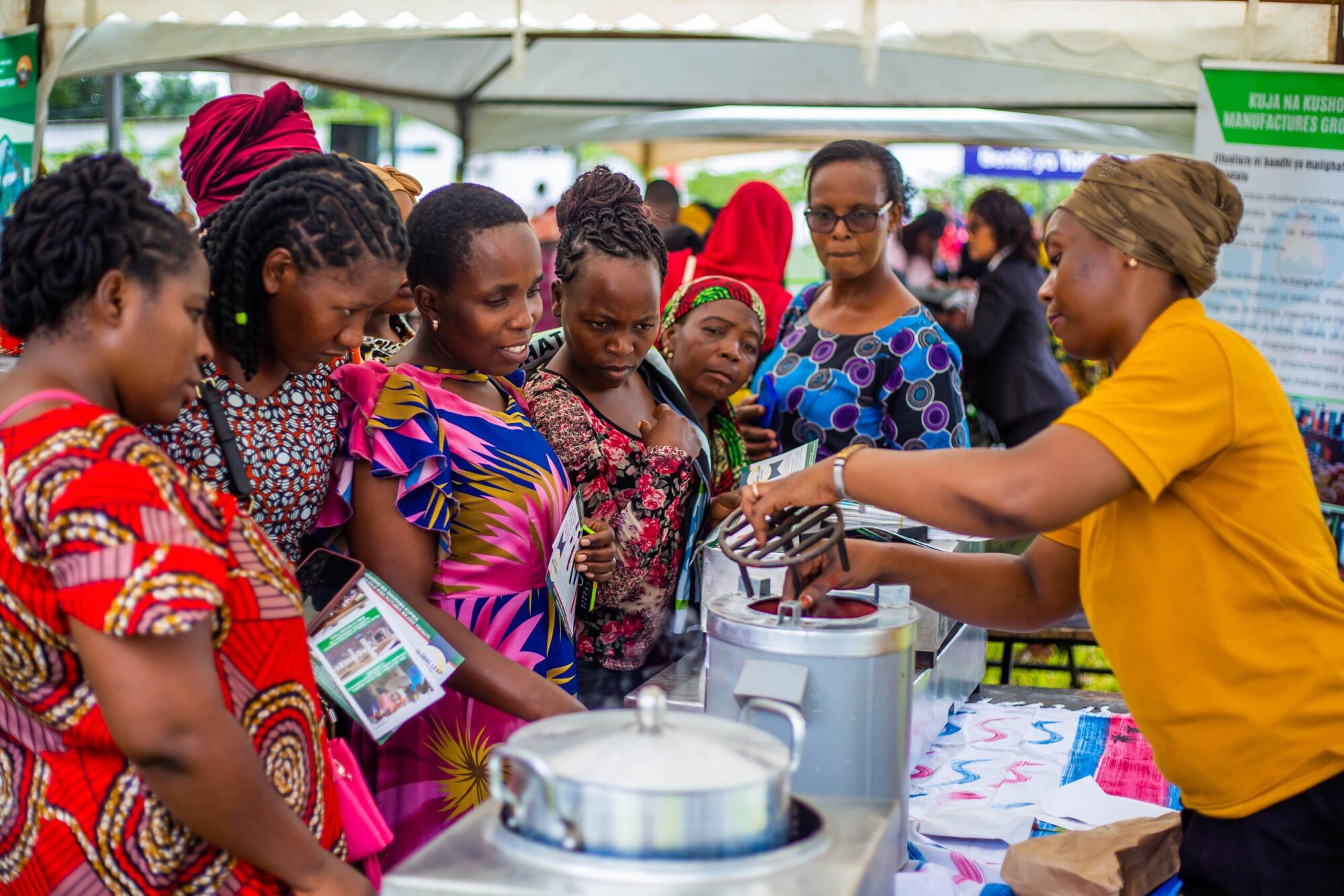
The Clean Cooking Strategy is a central component of Tanzania’s broader energy transition agenda, which seeks to ensure that every household, institution, and business has access to affordable, safe, and sustainable energy sources.
With biomass still accounting for more than 60 per cent of household energy use, the government aims to drastically reduce traditional fuel dependence through targeted interventions, public awareness campaigns, and private sector partnerships.
The Ministry’s initiative to train regional and local officers signals a major step forward in operationalising the strategy and ensuring that implementation efforts reach even the most remote communities.
“This programme gives meaning to the government’s clean energy vision by making it practical at the local level,” observed a development analyst in attendance. As Tanzania accelerates towards Vision 2050, initiatives like this underscore the government’s determination to balance energy access, environmental protection, and economic growth – turning policy commitments into real impact for millions of households across the country.