By Peter Nyanje
August 2025 proved to be a landmark month for Tanzania’s economy, with a series of high-profile initiatives and investments signaling the country’s growing appeal as a hub for business and industrial development in Africa.
Special Economic Zones and trade facilitation
The government launched five new Special Economic Zones (SEZs), targeting sectors such as textiles, pharmaceuticals, agro-processing, automotive assembly, electronics, and green energy.
These SEZs are designed to attract foreign and domestic investment, enhance industrial output, and create employment opportunities across the country.
Complementing this, the Tanzania Revenue Authority (TRA) rolled out 200 trade facilitation desks nationwide, aimed at streamlining business operations, improving tax compliance, and reducing bureaucratic hurdles for both local and international investors.
Energy sector expansion
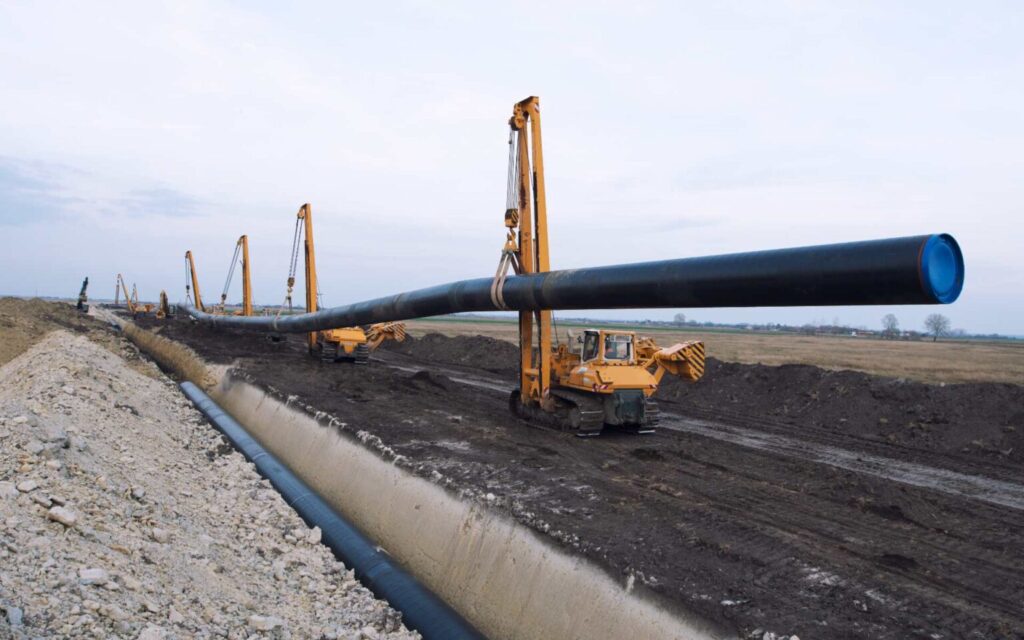
In the energy sector, French oil and gas company, Maurel & Prom, announced plans to drill three new gas wells at Mnazi Bay.
The development is expected to increase domestic gas supply, support industrial growth, and strengthen Tanzania’s energy security amid rising regional demand.
Infrastructure and transport milestones
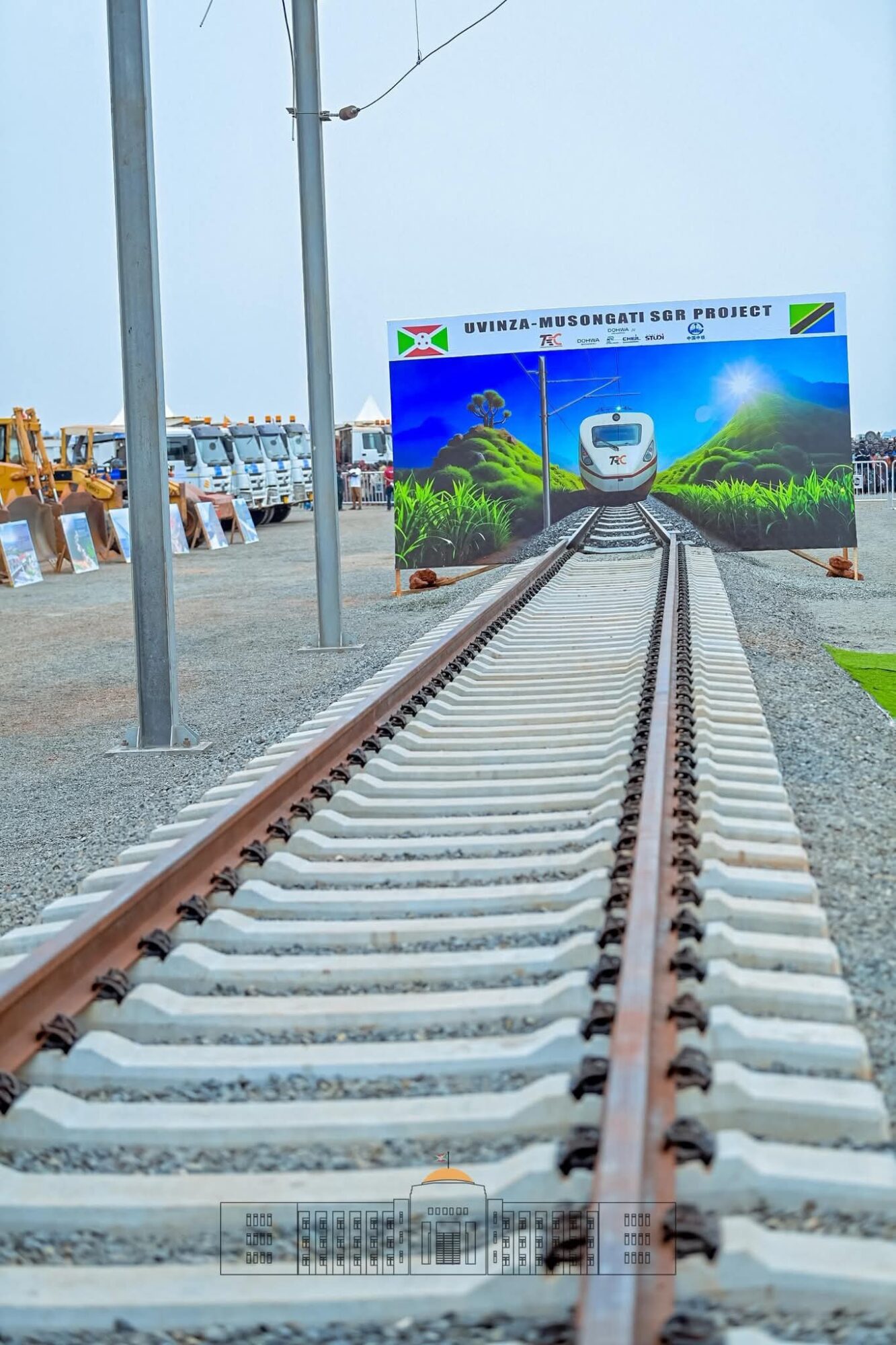
President Samia Suluhu Hassan inaugurated the Kwala Dry Port and the Standard Gauge Railway (SGR) Rail Freight Service, marking a significant boost to the country’s logistics and trade infrastructure.
The new facilities are expected to reduce transport costs, accelerate cargo movement, and enhance Tanzania’s role as a regional trade gateway.
Zanzibar also saw a notable advancement in transport modernization with the launch of Bolt’s ride-hailing service, offering residents and tourists more convenient mobility options.
Mining sector growth
The mining industry recorded several breakthroughs. The Kabanga Nickel Project secured US$ 60 million in financing for early works, while Stamico partnered with Ningbo Shuangneng Group to establish a nickel and copper processing plant in Ntaka.
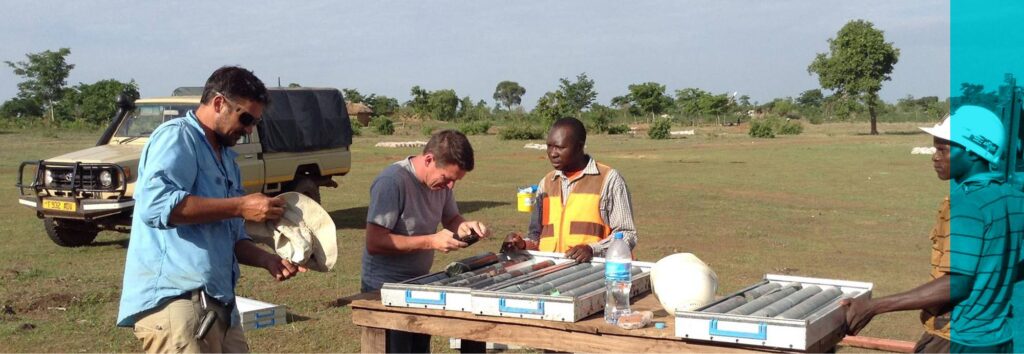
The project is projected to create substantial local employment and enhance value addition in the sector.
In a parallel development, the government inaugurated a uranium ore processing plant in Namtumbo, expected to generate US$ 1 billion in revenue and create 8,700 jobs. Additionally, Tanzania identified 14 mineral value addition opportunities worth up to US$ 11.7 billion annually, underscoring the sector’s potential for accelerated growth and export earnings.
Trade, finance and insurance
The country’s insurance sector reached TSh 2.495 trillion in assets by mid-2025, driven by the launch of the Universal Health and Agricultural Insurance Scheme. Meanwhile, trade and exports continued to show strength, with June 2025 figures indicating a 17.7 percent rise, led by gold (+21.9 percent) and cereal exports.
Tourism and inflation trends
Tanzania’s tourism sector continues to shine, with 2024 recording a record 2.14 million international arrivals, generating US$ 3.9 billion in earnings. Inflation remained stable at 3.3 percent annually in July 2025, though food prices saw a 7.6 percent rise, notably driven by a 5.3 percent increase in dried sardine prices.

Outlook
These developments highlight Tanzania’s strategic focus on industrialisation, infrastructure, and value addition, reinforcing investor confidence in the country’s economic trajectory. Analysts suggest that sustained growth across mining, energy, transport, and manufacturing sectors will continue to position Tanzania as a key investment destination in East Africa.