By Saidina Msangi and Joseph Mahumi, Dodoma
Tanzania is stepping up efforts to mobilise long-term investment in energy, agriculture and rural infrastructure as it strengthens strategic partnerships with Japan and the International Fund for Agricultural Development (IFAD), signalling renewed confidence in the country’s economic trajectory.
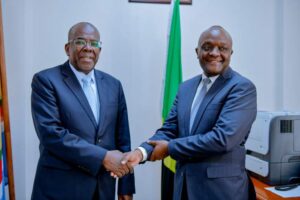
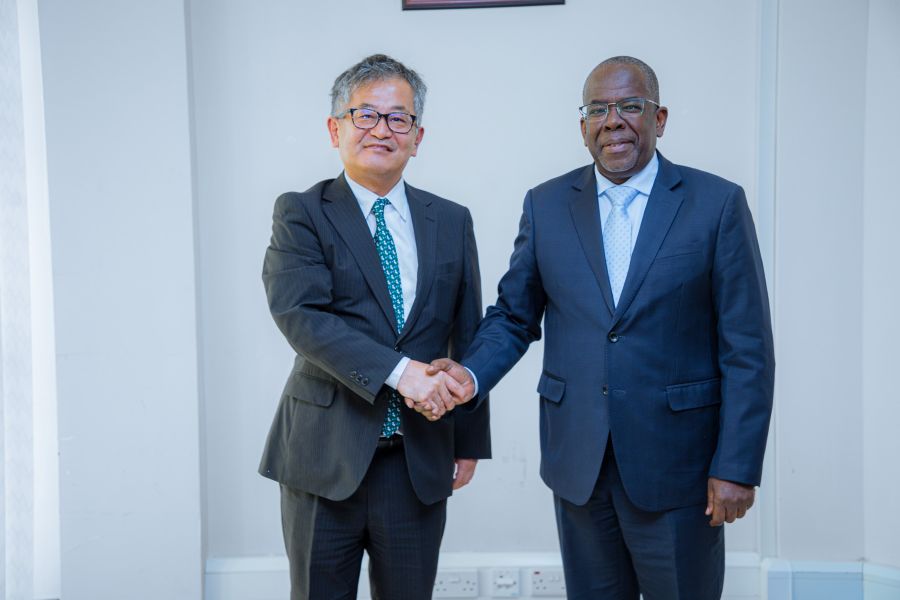
The Minister of Finance, Ambassador Khamis Mussa Omar, held separate high-level meetings in Dodoma with Japan’s Ambassador to Tanzania, Yoichi Mikami, and the IFAD Country Director, Sakphouseth Meng, focusing on scaling up cooperation through the implementation of strategic development projects.
During talks with the Japanese envoy, Ambassador Omar expressed Tanzania’s appreciation for Japan’s longstanding support, noting that Japanese technical expertise, concessional loans and development assistance have played a critical role in advancing key sectors including agriculture, education and industrial development.
He invited Japanese investors to expand their footprint in Tanzania, highlighting opportunities across productive sectors capable of delivering mutual economic benefits. Tanzania, he said, remains committed to improving the investment climate in line with its broader shift towards investment-led growth under the country’s long-term development vision.
Ambassador Mikami welcomed the government’s commitment, commending Tanzania for sustaining strong bilateral relations with Japan. He noted that a growing number of Japanese companies are already operating in Tanzania, while others are actively exploring investment opportunities. He urged continued reforms to further enhance the business environment and attract additional Japanese capital.
In a separate engagement, Ambassador Omar met IFAD’s Country Director to review the multilateral lender’s long-standing contribution to Tanzania’s rural and agricultural transformation. He revealed that IFAD has invested approximately US$2 billion in Tanzania since the partnership began, supporting agriculture, energy access and a range of social development initiatives.
The Minister said Tanzania is preparing to implement IFAD’s upcoming 14th funding programme cycle, under which the fund is expected to invest between US$60 million and US$70 million in agriculture, rural energy, and infrastructure development, particularly in underserved rural communities.
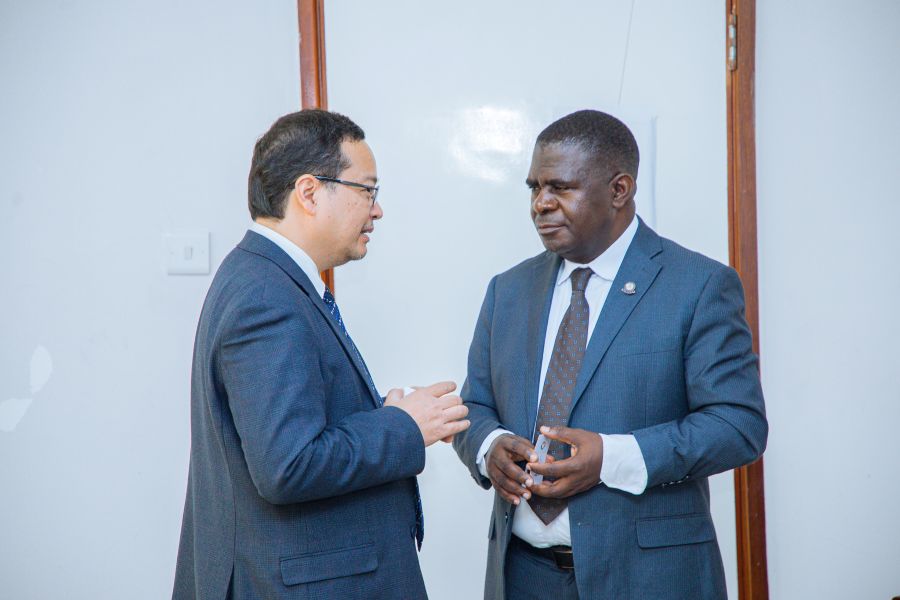
“Tanzania values its partnership with IFAD, which dates back to 1978,” Ambassador Omar said. “We have agreed to further strengthen this cooperation by prioritising areas with the greatest financing needs, including by leveraging domestic financial institutions such as the Tanzania Agricultural Development Bank (TADB), which has demonstrated strong performance.”
For his part, Mr. Meng praised Tanzania’s macroeconomic management, noting that policy stability and prudent fiscal oversight have created a conducive environment for development financing. He reaffirmed IFAD’s commitment to expanding investments in both economic and social sectors, with a particular focus on lifting rural populations out of poverty.
The discussions come as Tanzania accelerates implementation of its development agenda, which places agriculture, renewable energy and rural infrastructure at the centre of inclusive growth and job creation. Strengthened engagement with bilateral partners such as Japan and multilateral financiers like IFAD underscores the government’s strategy of blending public investment, private capital and development finance to support long-term economic transformation. As Tanzania positions itself as a stable and reform-oriented destination for investment, these partnerships are expected to play a key role in unlocking productivity, boosting rural incomes and supporting sustainable growth across the economy.