By Business Insider Reporter, Arusha
Tanzania is stepping up efforts to strengthen women’s economic empowerment through targeted financial sector reforms, positioning gender inclusion as a central pillar of sustainable and inclusive economic growth.
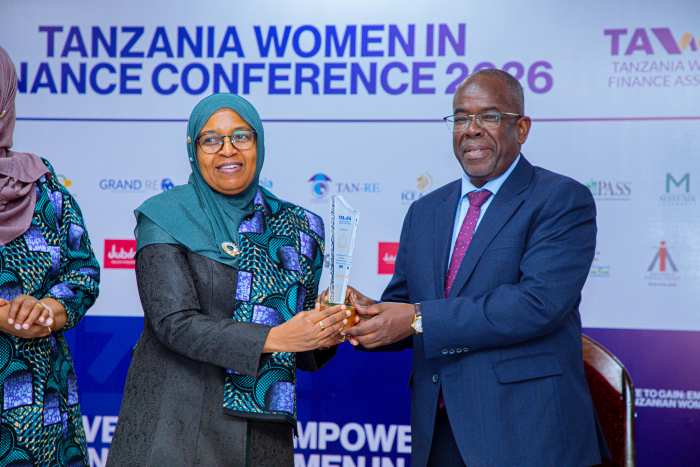
Speaking at the Third Women in Finance Conference 2026 in Arusha, the Minister for Finance, Ambassador Khamis Mussa Omar, reaffirmed the government’s commitment to expanding financial access and unlocking opportunities for women across key sectors of the economy.
The conference, organised by the Tanzania Women in Finance Association (TAWiFA), brought together policymakers, financial institutions, and development partners to assess progress and chart a forward-looking agenda for women’s participation in finance.
Women at the centre of economic growth
Omar underscored the growing economic significance of women, citing Household Budget Survey data which shows that women are increasingly active in investment, entrepreneurship, and the labour force.
Notably, women operate more than 50 per cent of small and medium-sized enterprises in Tanzania – highlighting their critical role in job creation and domestic economic expansion.
“Women are a central pillar of production, particularly in agriculture and trade. Empowering them through the financial sector is essential to building a resilient economy,” he said.
Expanding access to finance
Under the administration of President Samia Suluhu Hassan, Tanzania has implemented a range of initiatives aimed at improving financial inclusion and supporting women-led enterprises.

Between 2022 and 2025, more than 1.3 million women accessed loans worth over TSh 748 billion through dedicated empowerment funds – financing that has enabled business creation, expansion, and formalisation.
The financial sector itself is evolving as a key enabler. Increased access to banking, insurance, capital markets, and digital financial services is broadening opportunities for women to participate more actively in the economy. According to the Minister, women account for over 60 per cent of digital loan users, reflecting the transformative role of financial technology in bridging access gaps.
Strengthening financial literacy and capacity
Despite these gains, stakeholders emphasised the need to deepen financial literacy to ensure women fully benefit from available services.
The government has called on TAWiFA and other actors to scale up training programmes that equip women with the knowledge and skills required to navigate financial systems effectively.
TAWiFA President, Ms. Fikky Ntomola, noted that the association has already trained more than 1,000 women entrepreneurs across Dodoma, Zanzibar, and Arusha.
The organisation has also launched mentorship programmes aimed at grooming the next generation of female leaders in finance.
In addition, the introduction of a national membership system is expected to create a comprehensive database of women in the financial sector – facilitating access to leadership opportunities and decision-making platforms.
Policy and institutional reforms
At the institutional level, reforms are underway to promote gender balance in leadership across financial institutions. The Deputy Governor of the Bank of Tanzania (BoT), Ms. Sauda Msemo, highlighted regulatory measures requiring at least one-third of board and senior management positions to be held by women.
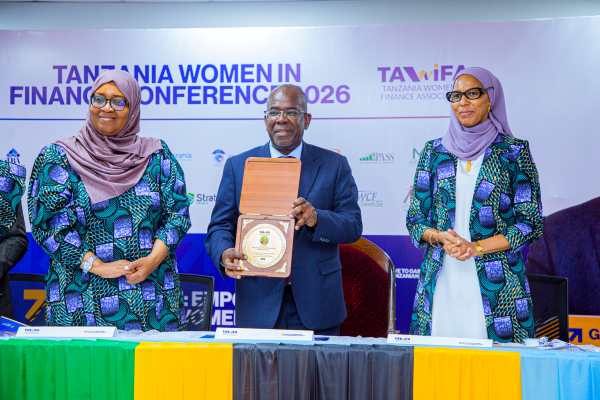
She noted that progress has been encouraging, with a growing number of banks and financial institutions meeting or exceeding this threshold.
Complementary initiatives such as leadership development, mentorship, and succession planning programmes are also being implemented to sustain gender inclusion.
“These efforts not only address leadership gaps but also ensure that gender perspectives are embedded in product design, governance, and strategic decision-making – ultimately improving financial inclusion outcomes,” she said.
Zanzibar’s parallel efforts
From the Zanzibar perspective, Minister of State in the President’s Office, Hon. Dr Saada Mkuya Salum, emphasised the importance of multi-stakeholder collaboration in creating an enabling environment for women’s economic participation.
She noted that the Revolutionary Government of Zanzibar has rolled out programmes focused on access to credit and market infrastructure – targeting women entrepreneurs and strengthening their integration into formal economic systems.
Stakeholders at the conference were unanimous in framing women’s empowerment not as a social obligation but as a strategic economic priority.
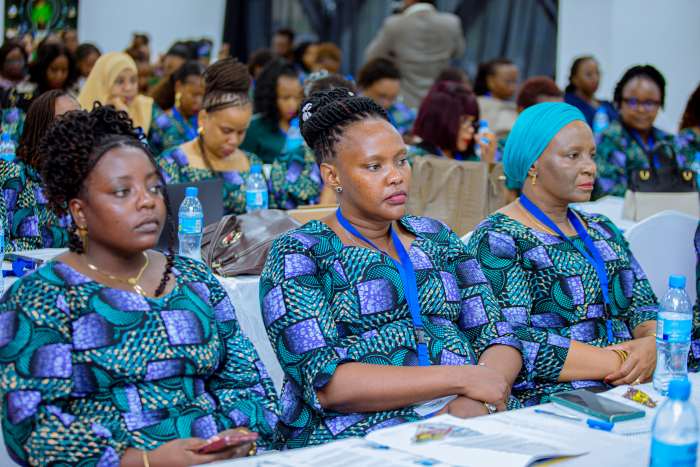
Expanding women’s access to finance is seen as critical to increasing productivity, enhancing household incomes, and accelerating national development.
As Tanzania advances its financial inclusion agenda, the convergence of policy reforms, institutional commitments, and private sector innovation is expected to unlock significant economic value. With women already playing a dominant role in SMEs and informal trade, sustained investment in financial empowerment could redefine the country’s growth trajectory – transforming gender inclusion into a powerful driver of economic resilience and long-term prosperity.