By Business Insider Reporter
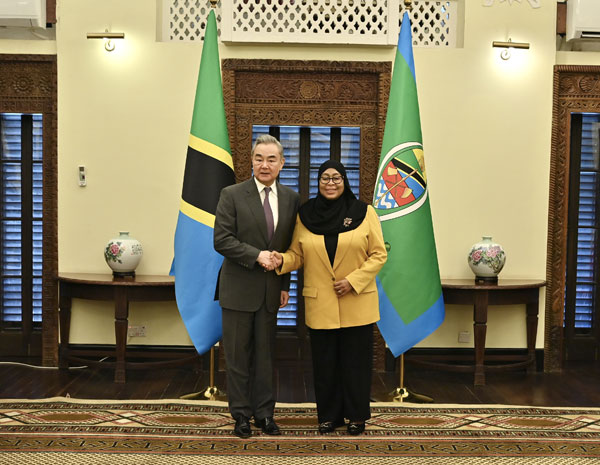
The high-level talks between President Samia Suluhu Hassan and China’s Foreign Minister Wang Yi are set to open fresh commercial opportunities for Tanzanian traders, manufacturers and investors, as both countries move to rebalance trade, ease business mobility and unlock logistics bottlenecks that have long constrained regional commerce.
Meeting at State House in Dar es Salaam, President Samia underscored the need to expand Tanzania’s exports to China, improve the trade balance and deepen business-to-business and people-to-people exchanges – signals that will resonate strongly with exporters, importers and entrepreneurs seeking better access to one of the world’s largest consumer markets.
For Tanzanian traders, the emphasis on export growth is particularly significant. China remains one of Tanzania’s largest trading partners, yet trade has historically tilted in favour of Chinese imports.
The renewed push to promote Tanzanian products – ranging from agricultural produce and minerals to manufactured goods – could translate into improved market access, trade facilitation measures and stronger institutional support for exporters.
The discussions also touched on streamlining visa arrangements, a practical issue that directly affects businesspeople. Faster and more flexible travel between the two countries would reduce transaction costs for traders, contractors and investors who rely on frequent movement to negotiate deals, supervise projects and build supply chains.
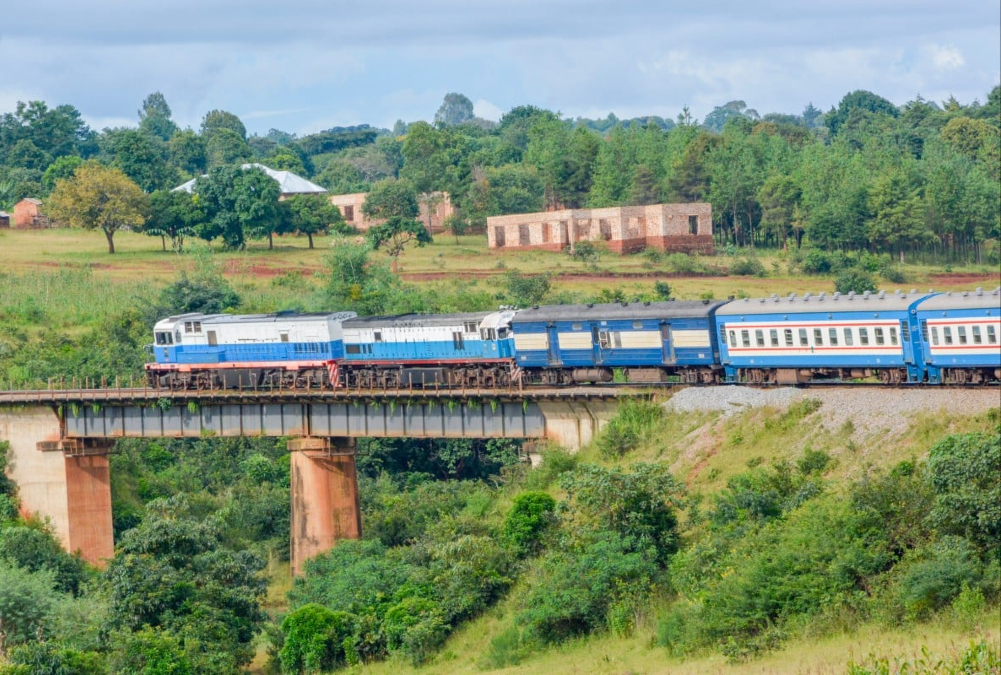
A major outcome of the talks for the business community is the renewed commitment to revitalise the Tanzania–Zambia Railway Authority (TAZARA). Both sides agreed on plans to modernise the historic railway and convert it into a modern electric line. For traders, particularly those operating in agriculture, mining and bulk cargo, an upgraded TAZARA could significantly lower transport costs, improve cargo turnaround times and strengthen Tanzania’s role as a regional trade corridor linking landlocked countries to the Port of Dar es Salaam.
China’s pledge to support Tanzania’s priority projects – including infrastructure, water supply, clean cooking solutions and concessional financing – also points to expanded opportunities for local contractors, suppliers and service providers. Such projects often generate strong backward linkages into the local economy, benefiting small and medium-sized enterprises (SMEs).
The scale of existing Chinese investment highlights the commercial stakes. In 2025 alone, the Tanzania Investment and Special Economic Zones Authority (TISEZA) registered 343 Chinese projects valued at $3.1 billion, creating more than 82,000 jobs. For Tanzanian businesses, this growing Chinese footprint means potential partnerships, subcontracting opportunities and technology transfer.
Foreign Affairs Minister Mahmoud Thabit Kombo said the talks reaffirmed mutual trust and long-term cooperation, with both sides agreeing to attract more investment, trade and technology to drive economic growth. For Tanzania’s business community, the meeting sends a clear message: China remains a key economic partner, and the government is actively working to convert diplomatic goodwill into tangible trade, logistics and investment gains that can boost competitiveness and profits across the economy.