By Business Insider Reporter
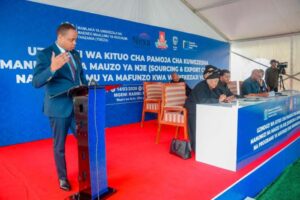
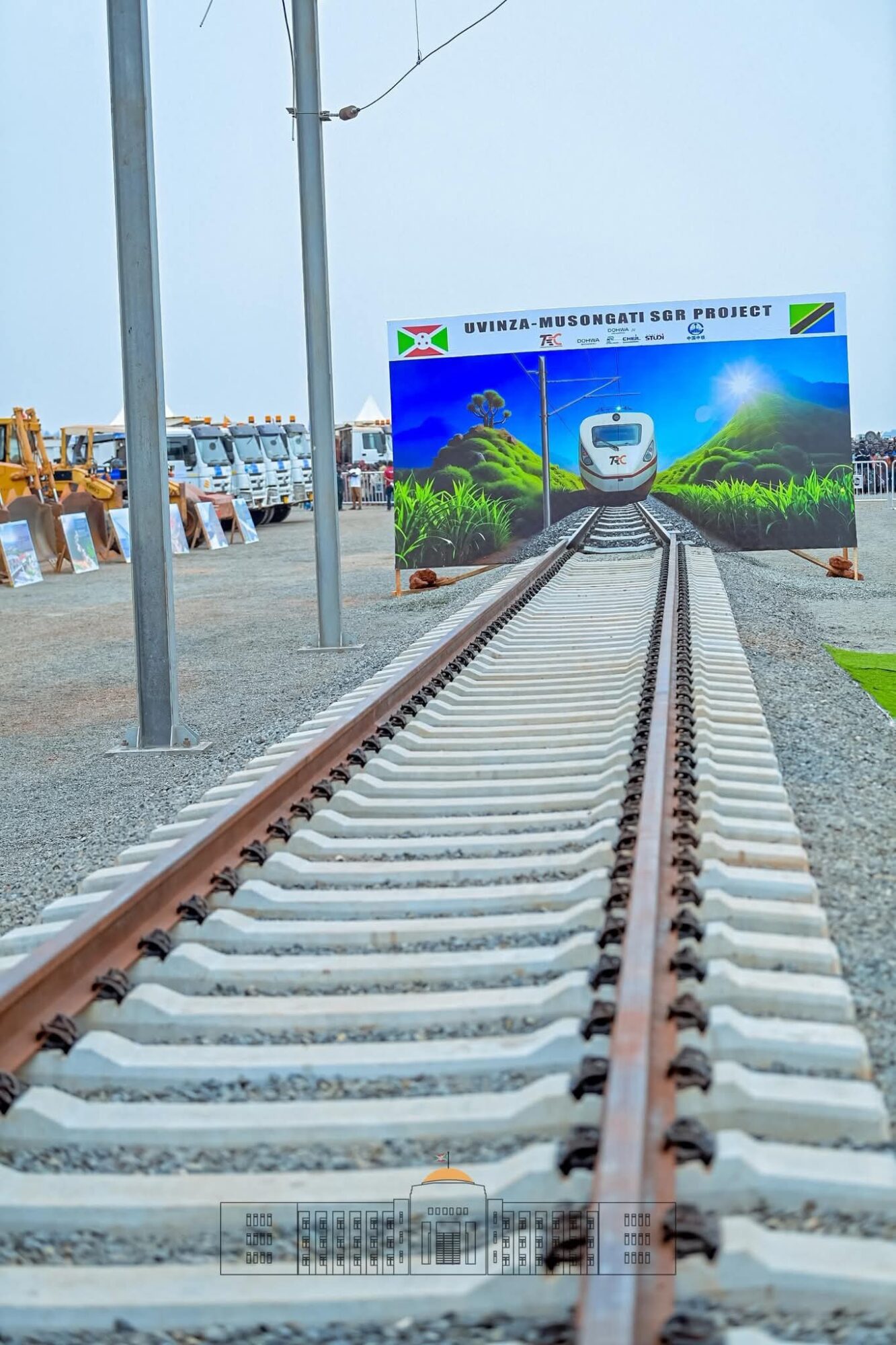
The launch of the Uvinza–Musongati Standard Gauge Railway (SGR), part of the Tanzania–Burundi–DRC corridor, is poised to redefine the way business is conducted between Tanzania and Burundi.
Backed by US$696.41 million in financing from the African Development Bank (AfDB), the project represents not just a new transport link but an economic game-changer for the region.
From isolation to integration
For decades, Burundi has relied heavily on costly road transport and limited regional links to access global markets.
The SGR changes this dynamic by connecting Burundi’s Musongati mining hub directly to Tanzania’s port of Dar es Salaam.
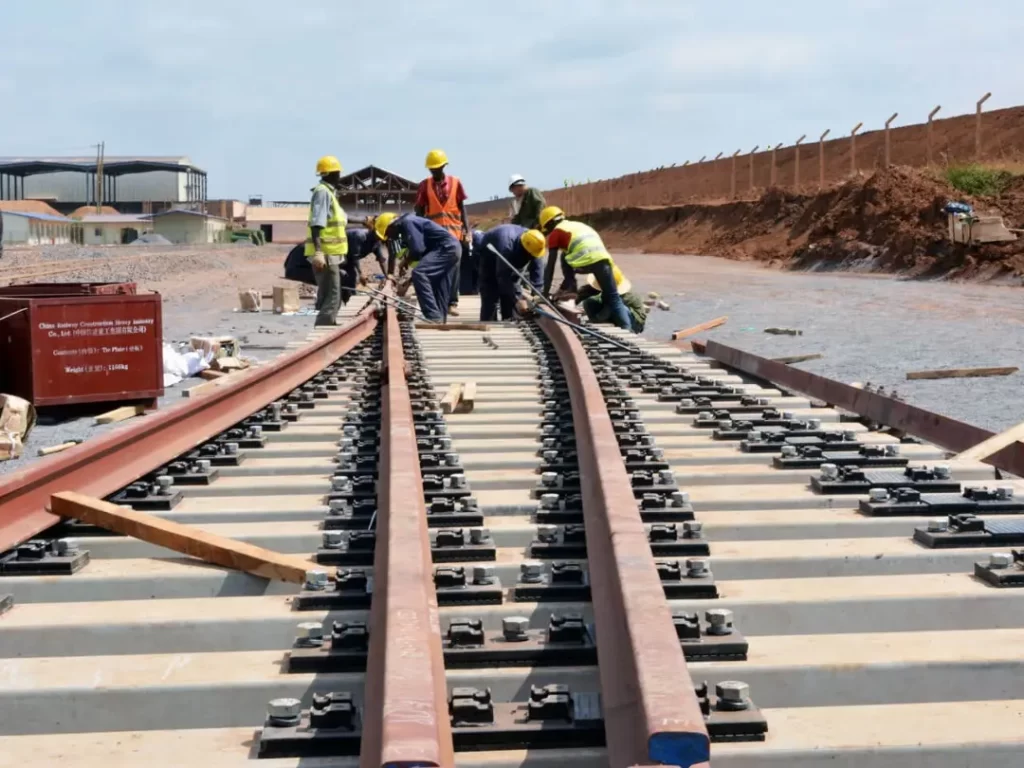
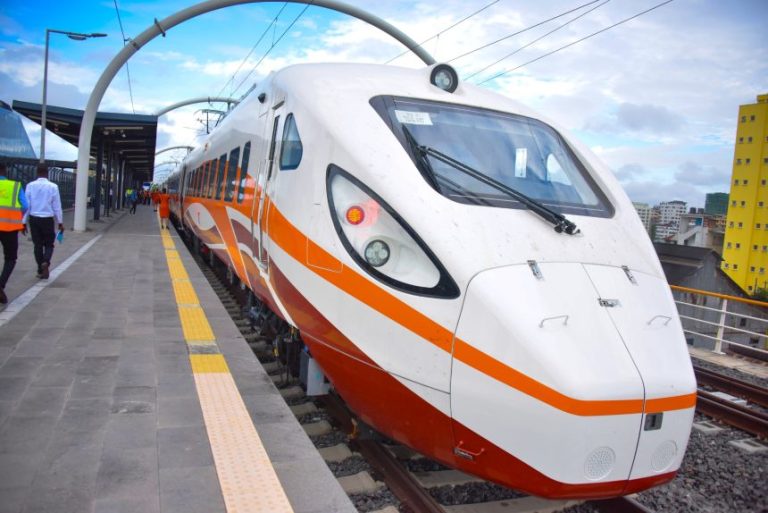
Once complete, goods will move seamlessly along a modern, electrified railway network spanning Tabora, Kigoma, Uvinza, and into Burundi – a direct 651-kilometre corridor designed for efficiency and speed.
This connection will significantly lower the cost of transporting goods, reduce transit times, and improve reliability for businesses on both sides of the border. Burundian exports such as nickel, coffee, and tea will gain faster access to international markets, while Tanzanian businesses will find new opportunities supplying inputs, services, and consumer goods to Burundi.
Boost for mining, agriculture and industry
Burundi is home to some of the world’s largest untapped nickel reserves, and the Musongati mines are expected to play a central role in powering the country’s economy once transport bottlenecks are removed.
The SGR offers a cost-effective outlet for these minerals to reach global buyers via Dar es Salaam.
In addition, Burundian agriculture – ranging from smallholder farmers to commercial agribusiness – will benefit from faster access to Tanzanian fertilisers, machinery, and export markets.
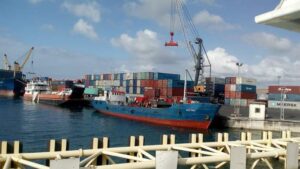
For Tanzania, the SGR secures a steady flow of cargo through its logistics network, further cementing Dar es Salaam’s status as a regional trade gateway.
Industrial parks, processing zones, and population centres along the railway corridor are also expected to attract new investment, with companies leveraging the improved infrastructure to set up manufacturing and value-addition plants.
Regional trade transformation
The project is more than a bilateral success. It aligns with the East African Community (EAC) Rail Master Plan and the African Union’s continental infrastructure agenda, creating the backbone of a regional transport network linking Tanzania, Burundi, and eventually the Democratic Republic of Congo (DRC).
For Tanzania, the railway reinforces its position as the logistical heart of the Great Lakes region.
For Burundi, it marks a historic shift from being a landlocked economy to becoming a land-linked partner with competitive access to global markets.
Financing and regional commitment
The overall Tanzania–Burundi–DRC SGR project is expected to cost US$3.93 billion, with AfDB acting as the Initial Mandate Lead Arranger to mobilise up to US$3.2 billion from a mix of commercial banks, institutional investors, and development financiers.
This underscores the strong regional and international commitment to seeing the project succeed.
A new era for business
By cutting costs, reducing risks, and opening access to new markets, the Tanzania–Burundi SGR is expected to revolutionise business across the two nations. For traders, miners, farmers, and manufacturers alike, it promises a future where cross-border commerce is not a challenge but a competitive advantage.