- Government ends decades-long reliance on foreign donors to finance national polls
By Business Insider Reporter, Dodoma
Tanzania is set to fully fund its 2025 General Election using domestic resources, continuing a significant shift from a decades-long reliance on foreign donors to bankroll the country’s democratic processes.
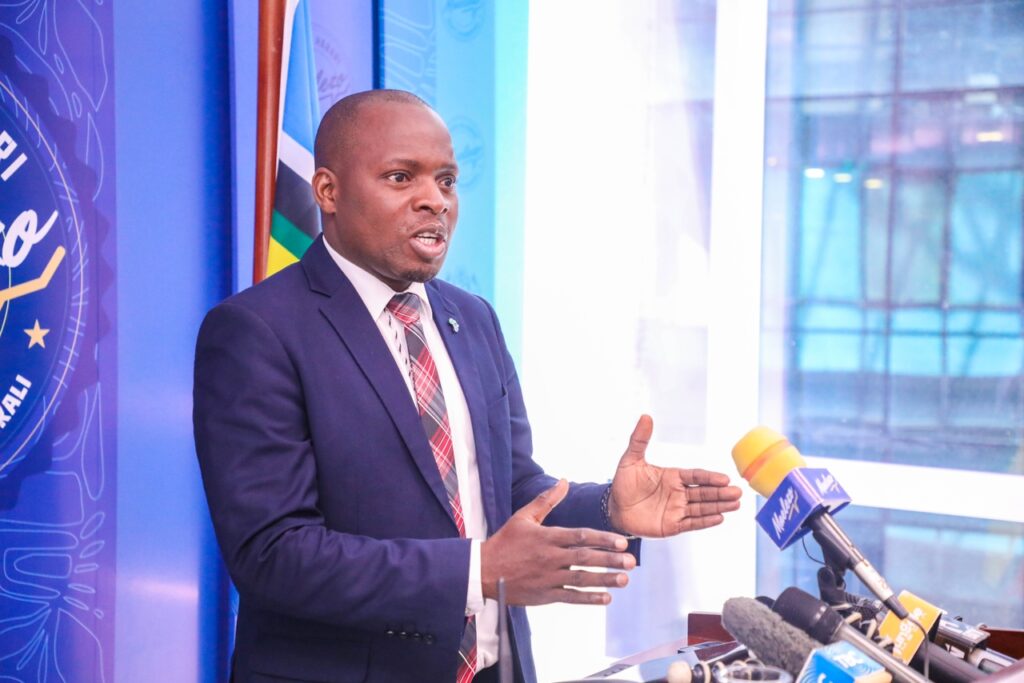
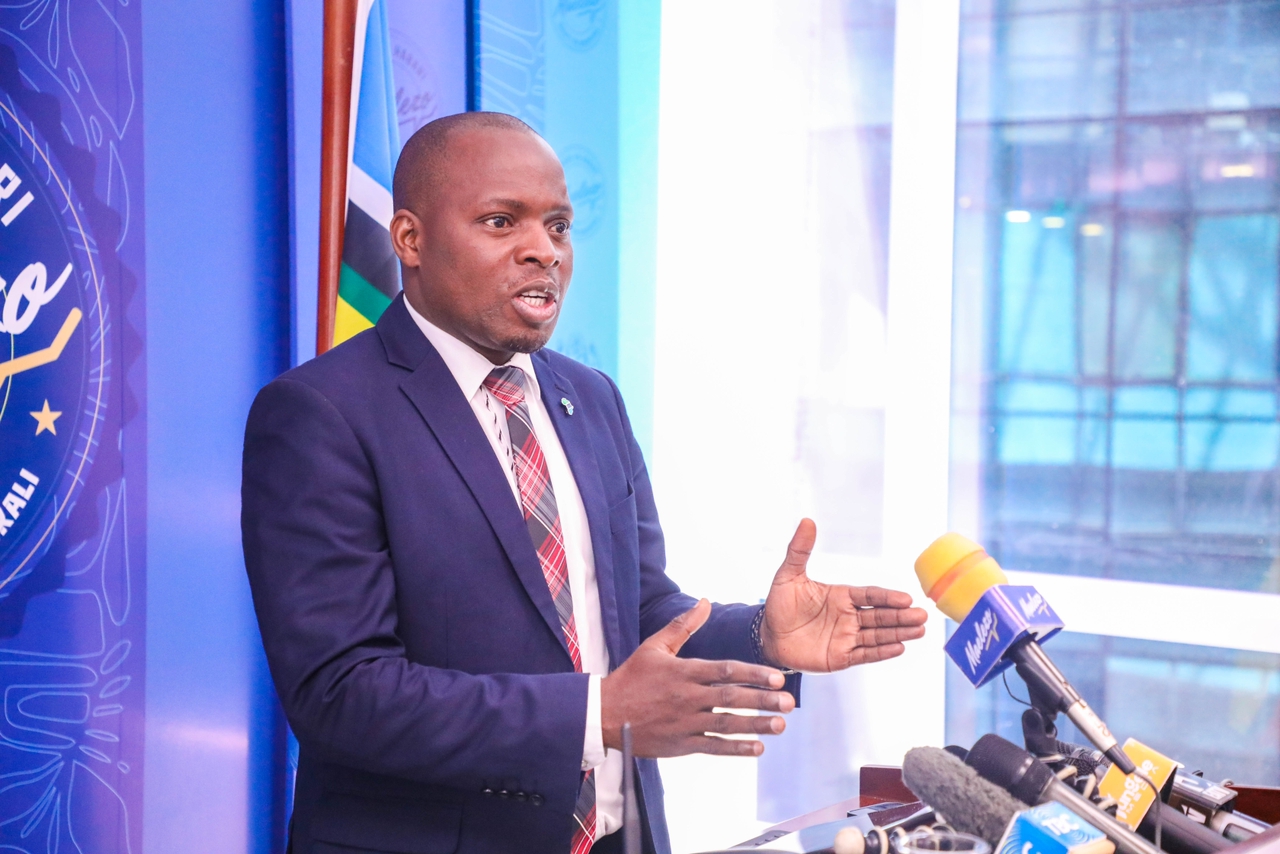
The announcement was made by Chief Government Spokesperson, Gerson Msigwa, ahead of the national budget presentation slated for today, June 12, 2025, in Parliament.
The government’s decision marks the second consecutive General Election to be financed without foreign support, a trend that began in 2020 after years of partial dependency on international donors for voter registration, civic education, electoral equipment, and observer missions.
“This is a proud moment for Tanzania,” said Msigwa during a press briefing at the Ministry of Information headquarters in Dodoma. “We are demonstrating that our democracy is home-grown, and our elections are now fully under our fiscal and political control.”
From 1995 to 2015, Tanzania’s general elections were heavily supported by development partners.
The European Union, UNDP, the UK’s DFID, USAID, and other bilateral agencies routinely provided millions of dollars through election support baskets.
These funds were used to strengthen the National Electoral Commission (NEC), fund voter education programs, procure biometric registration kits, and finance domestic and international observer groups.
The 2015 General Election, for instance, saw over $40 million in donor contributions, including through the UN-managed Democratic Empowerment Project (DEP), which supported both electoral institutions and civil society. However, tensions emerged between government and donor institutions during that cycle, particularly over electoral fairness and transparency concerns.
By 2020, amid global economic uncertainty and Tanzania’s more assertive stance on sovereignty under the late President John Magufuli, the government opted to finance the election entirely through its own budget.
That move was seen as a symbolic break from external dependency, though it also raised concerns among civil society groups about reduced funding for voter education and independent observation.
Political commentator Dr. Rehema Makene says the trend represents both progress and responsibility.
“Domestic funding strengthens sovereignty and reflects economic confidence. But it also requires stronger public scrutiny of how electoral funds are spent to ensure transparency,” she said.
In 2025, election funds will be allocated through the 2025/26 national budget, which is also the final fiscal plan under the long-term National Development Vision 2025. According to Msigwa, the allocation will be detailed when the government tables its spending proposal this week in Parliament.
“This is the last budget of the 12th Parliament and a crucial one – it finances the election and transitions the country into a new development chapter,” he added.
While donor-funded elections offered technical support, many observers argue that full domestic financing can reduce external influence and promote self-determination, provided institutions remain accountable and inclusive. As Tanzania prepares for the October polls, the country’s ability to finance, manage, and deliver a credible election using its own resources will be closely watched as a marker of both democratic maturity and fiscal independence.