

By Business Insider Correspondent
Tanzania and Austria are set to strengthen bilateral economic and social cooperation following the rollout of Vienna’s new Austria–Africa Strategy 2026–2029, a policy framework aimed at deepening engagement with African economies.
Speaking in Dar es Salaam, Deputy Minister for Finance, Mshamu Ali Munde, reaffirmed Tanzania’s commitment to working closely with Austria to ensure the successful implementation of the strategy.
His remarks came during talks with Austria’s Deputy Minister for Foreign Affairs, Hannah Liko, which focused on expanding cooperation in trade, investment, and development.
Munde noted that the new strategy is anchored on four priority pillars – peace and security, economic cooperation, migration, and education and science – areas that align closely with Tanzania’s long-term development ambitions under its forthcoming Vision 2050 agenda.
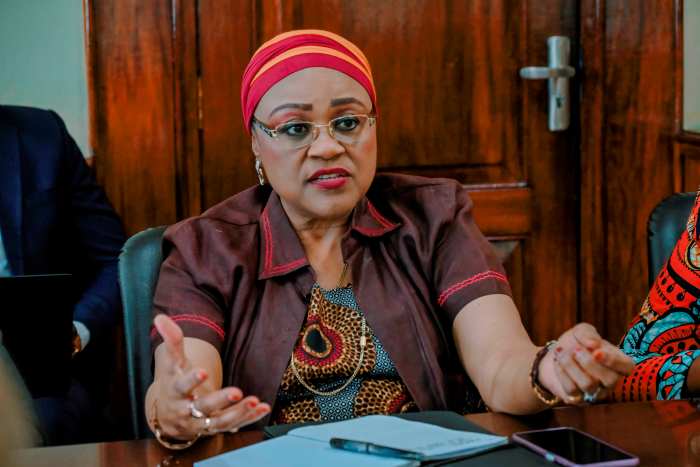
“The Government of Tanzania, under the leadership of President Samia Suluhu Hassan, is ready to collaborate with Austria to implement this strategy for the mutual benefit of both nations,” Munde said, adding that the initiative is expected to unlock new opportunities across both public and private sectors.
Strategic focus on investment and green growth
Under the economic cooperation pillar, both countries are seeking to expand investment flows and promote green economy initiatives, with a particular focus on job creation and infrastructure development.
Austrian firms are being encouraged to explore opportunities in Tanzania’s agriculture, energy, and environmental sectors – areas increasingly central to the country’s economic transformation agenda.
The strategy also places emphasis on strengthening peace and stability through collaboration with the United Nations, particularly in conflict prevention and regional security – factors considered critical in sustaining investor confidence across Africa.
On migration, the framework aims to curb human trafficking while promoting structured and productive legal migration pathways. In parallel, the education and science component will see the establishment of centres of excellence and scholarship programmes in key sectors such as water, energy, health, and digital systems.
Development financing and ongoing projects
Austria’s engagement in Tanzania is already visible through a portfolio of development projects valued at approximately €30 million, largely financed through concessional loans.
These include the rehabilitation of the Karume Institute of Science and Technology, upgrades to Zanzibar’s education system, procurement of firefighting and rescue equipment, and the refurbishment of the Arusha Technical College.
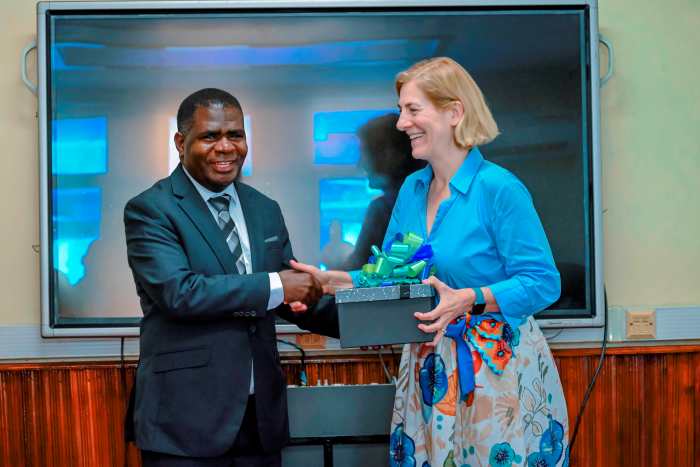
These investments are aligned with Tanzania’s Third Five-Year Development Plan (FYDP III), which prioritises industrialisation, human capital development, and infrastructure expansion as drivers of economic growth.
Private sector at the centre of cooperation
Austria has also maintained a growing private sector footprint in Tanzania, particularly through companies such as Andritz, which has been involved in hydropower, coffee, and cashew processing projects.
Austrian officials say the country’s stable political environment has been a key factor in attracting such investments.
Deputy Foreign Minister Liko commended Tanzania’s economic progress, noting that sustained peace and stability have positioned the country as an attractive destination for foreign investors.
She emphasised the importance of deepening private sector participation to drive employment and improve livelihoods.
“Austria will continue to partner with African countries, including Tanzania, to ensure the private sector plays a central role in economic development,” she said.
Historical context and growing ties
Although trade volumes between Tanzania and Austria remain modest compared to major partners such as China or India, bilateral relations have steadily expanded over the past decade, largely driven by development cooperation, technical assistance, and niche investments in engineering and renewable energy.
Austria has traditionally engaged Tanzania through development finance, vocational training, and technology transfer – areas that complement Tanzania’s industrialisation and skills development agenda.
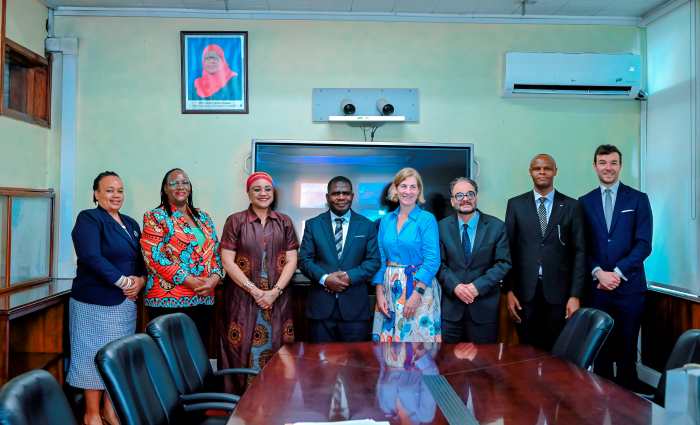
The new Austria–Africa Strategy is expected to elevate this relationship into a more structured economic partnership, with increased emphasis on trade and private investment.
The launch of the Austria–Africa Strategy 2026–2029 signals a shift toward more strategic and mutually beneficial cooperation between the two countries. For Tanzania, the partnership offers an opportunity to leverage European expertise, technology, and financing to accelerate its development agenda. As both sides move to operationalise the strategy, the extent to which it delivers tangible investment, skills transfer, and economic diversification will determine its long-term impact on bilateral relations and broader regional development.