By Business Insider Reporter
Mauritania’s Sidi Ould Tah (pictured below) was officially sworn in as president of the African Development Bank (AfDB) last Monday in Abidjan, marking a new chapter for Africa’s premier development finance institution.
He succeeds Nigeria’s Akinwumi Adesina, who led the Bank for a decade and elevated its role in continental investment and development.
The inauguration was attended by high-level dignitaries, including Ivorian President Alassane Ouattara, Mauritanian President Mohamed Ould Ghazouani, and former AfDB presidents Adesina and Donald Kaberuka. Ludovic Ngatse, Republic of Congo’s Economy Minister and chair of the Bank’s Board of Governors, presided over the ceremony.
Ould Tah, 60, won the presidency in May with a record-breaking 7 percent of shareholder votes for a first-term candidate, signaling strong confidence in his leadership.
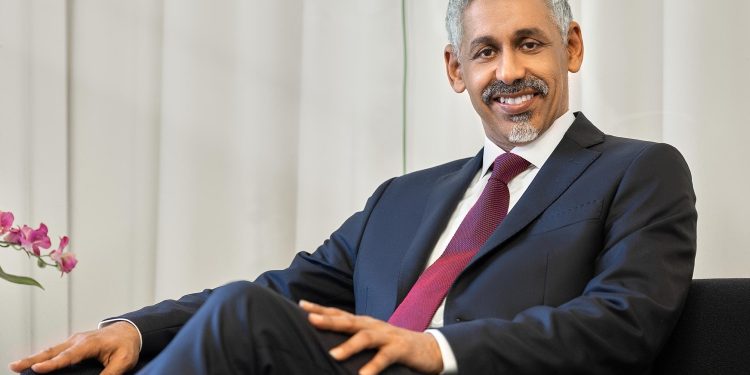
Impact-focused priorities
In his first 100 days, Ould Tah has set out a four-point agenda aimed at delivering tangible results for Africa namely:
- Listening Intently – Engaging with governments, private sector actors, and development partners to identify critical investment gaps.
- Fast-Tracking Reforms – Streamlining AfDB operations to increase efficiency and responsiveness in funding projects across the continent.
- Deepening Partnerships – Strengthening collaboration with regional organizations, governments, and international stakeholders to leverage additional capital for development initiatives.
- Accelerating Practical Solutions – Focusing on actionable interventions in infrastructure, energy, agriculture, and trade that can deliver immediate economic benefits.
“The Bank will be attentive, responsive, and capable of setting priorities that matter,” Ould Tah said, pledging to create a financial framework tailored to Africa’s unique development needs.
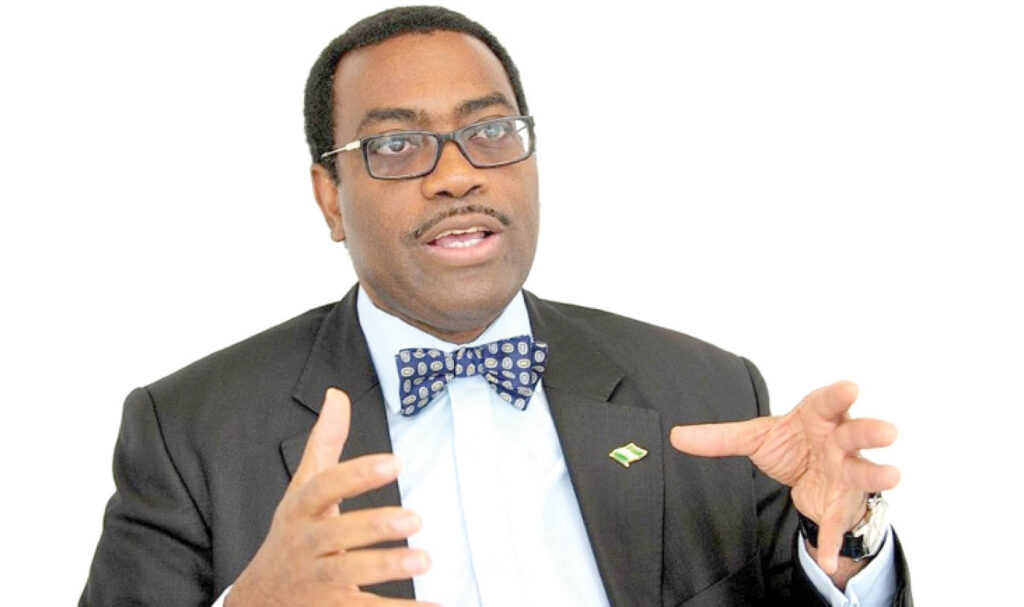
Projected effects on Africa’s economy
Analysts note that Ould Tah’s presidency could have far-reaching impacts on the continent:
Boosted Investment Flows: By accelerating reforms and streamlining project approvals, AfDB funding is expected to reach more sectors faster, benefiting countries with critical infrastructure needs.
Enhanced Public-Private Collaboration: Stronger partnerships with private investors could mobilize new capital for Africa’s development, particularly in energy, transport, and technology.
Regional Development Momentum: By prioritizing projects with immediate socio-economic impact, Ould Tah aims to improve employment, trade, and financial inclusion across African markets.
Ould Tah inherits a strong legacy from Adesina, who positioned AfDB as a central pillar of Africa’s development agenda.
Delivering on this new mandate will not only consolidate the Bank’s influence but also ensure that African nations can access timely, effective, and locally responsive development finance. “The challenge ahead is to match and build upon the Bank’s record, translating strategy into real economic outcomes for Africans,” he added.