
By Business Insider Reporter
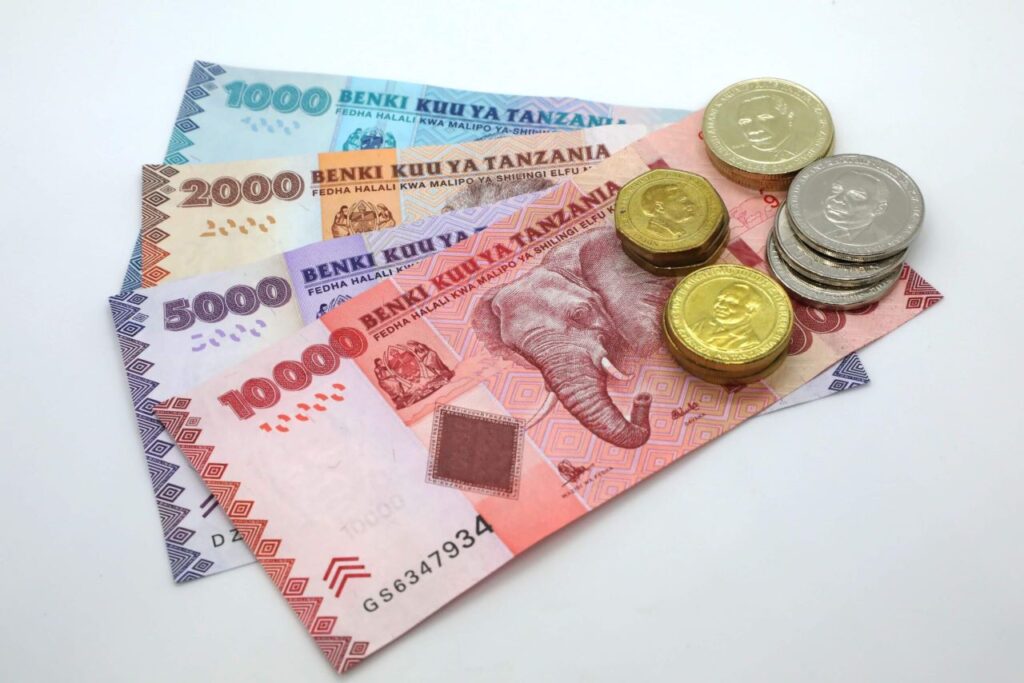
After years of currency pressure and a sharp 12.5% depreciation in 2024 alone, the Tanzanian shilling is showing new signs of strength in 2025.
The local currency has lost just 0.2% of its value against the US dollar over the past year – a dramatic improvement that signals growing confidence in Tanzania’s economic outlook.
According to the latest statement from the Bank of Tanzania’s (BoT) Monetary Policy Committee (MPC), the turnaround is being driven by a powerful mix of global and domestic factors.
High international gold prices, surging tourism revenues, robust agricultural exports, and steady remittances from the diaspora have boosted foreign exchange inflows, easing pressure on the shilling and strengthening the country’s external position.
These gains have translated into a rise in Tanzania’s foreign exchange reserves, which reached US$ 6 billion by the end of June, enough to cover nearly five months of imports. That figure marks one of the highest reserve levels in recent years and reflects renewed fiscal and monetary discipline.
Earlier this year, local media reported that the Tanzanian shilling had become one of the best-performing currencies globally. The rally was notable, especially given the prolonged depreciation seen in earlier years.
Analysts attributed the rebound to both favorable market conditions and deliberate government policy, including regulatory reforms that pushed foreign exchange activity back into formal markets and reduced reliance on informal dollar trading.
To further support economic recovery and increase access to credit, BoT on Thursday July 3, 2025 announced a 25-basis-point cut to its policy rate, bringing it down from 6.0% to 5.75%.
The move is designed to lower borrowing costs for banks and businesses, boost investment activity, and support inclusive economic growth.
The central bank’s statement emphasised that inflation remains well within the 3–5% target range, allowing room for more accommodative monetary policy without risking price instability.
The rate cut is also seen as a signal of confidence in the country’s macroeconomic stability ahead of the general elections later this year.
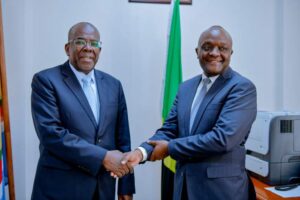
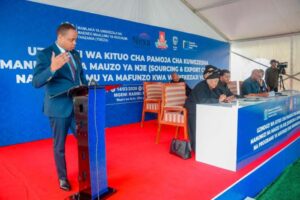
Governor Emmanuel Tutuba reaffirmed the Bank’s commitment to supporting long-term growth while maintaining monetary and financial stability.
“The Bank remains fully committed to using all available tools to ensure our policies continue to support national development goals,” he said.
Tanzania’s stronger currency, improved reserves position, and lower interest rates together suggest that the country has entered a more resilient phase in its economic journey. For a country that not long ago was struggling with high import costs and foreign exchange shortages, the current stability marks a major shift – one with tangible benefits for businesses, consumers, and investors alike.