• Eyes five new factories in six years
• To shift from imports to local production
Under President Samia Suluhu Hassan’s leadership, Tanzania’s sugar industry is undergoing a rapid transformation. With five new factories established or in progress, and major support for smallholder farmers, the Sugar Board of Tanzania is cutting reliance on imports and revitalizing the sector.
T
anzania’s sugar sector is experiencing a historic turnaround, thanks to sweeping reforms driven by the Sugar Board of Tanzania (SBT) and the strong support of the Sixth Phase Government under President Samia Suluhu Hassan.
In just four years, five new sugar factories have either begun operations or are under construction, a move that is doubling national production capacity and sharply reducing the country’s dependence on imports.
Sugar has long been one of several key commodities, including wheat and cooking oil, where Tanzania has struggled to meet domestic demand. But that narrative is rapidly shifting.
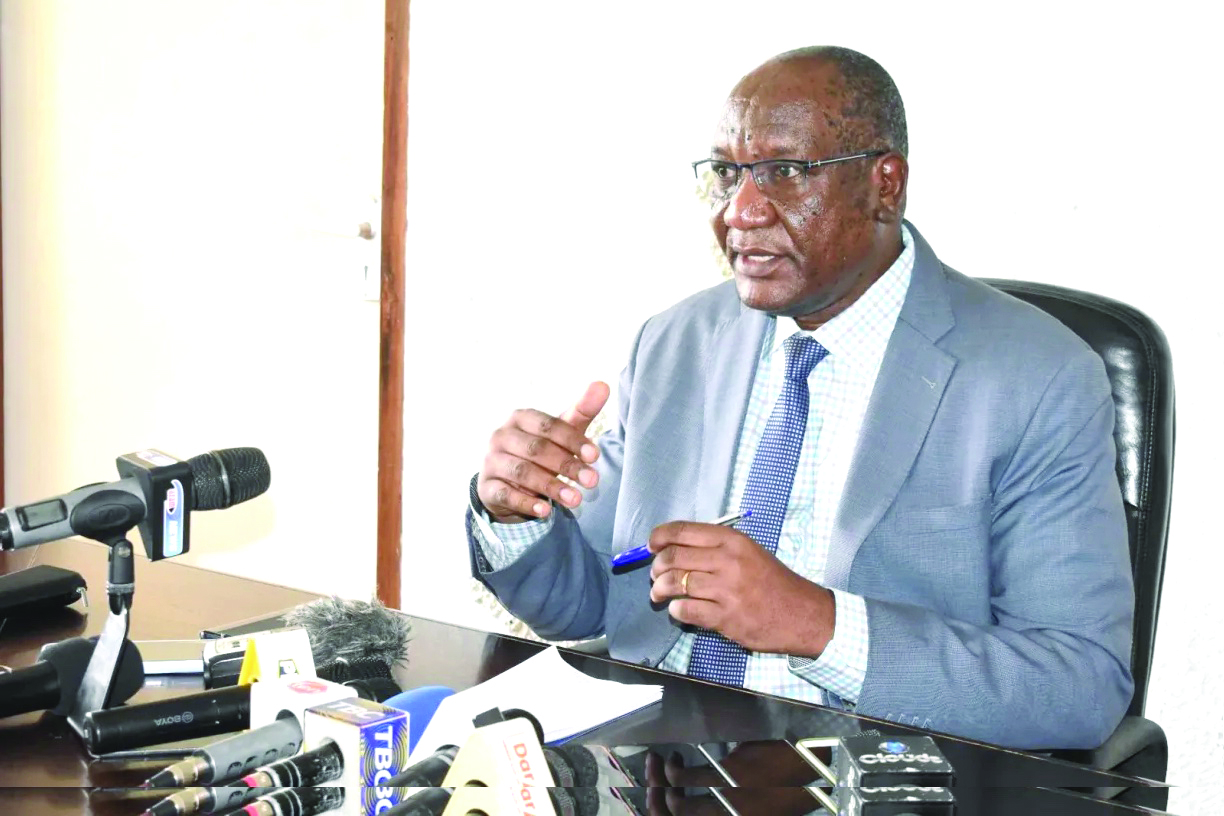
In an exclusive interview with Business Insider Tanzania, SBT Director General Professor Kenneth Bengesi outlined how the board’s efforts are boosting sugar availability through better farming practices,expansion of existing factories and bold new investments.
“We have been producing sugar, but not enough to meet local demand. As a result, we’ve had to import sugar to bridge the shortfall,” said Prof. Bengesi.
A history of transformation

Her Excellency the President of the United Republic of Tanzania, Dr. Samia Suluhu Hassan, together with the Chairman of the Sugar Board of Tanzania (SBT) Board of Directors, Mr. Filbert Mponzi, and the SBT Director General, Prof. Kenneth Bengesi, during the inauguration of the Irrigation Dam at Mtibwa Sugar Factory in Morogoro.
Since independence, Tanzania had only four sugar factories; Kilombero, TPC, Kagera, and Mtibwa, all formerly under state ownership via the Sugar Development Corporation (SUDECO).
A major restructuring in 1998 saw SUDECO dissolved and the factories privatized. In 2001, the Sugar Industry Act formally established the SBT, assigning it regulatory oversight of the sector.
“SBT was created to act as a referee in the sugar industry,” Bengesi explained. “Without regulation, there’s a risk of exploitative practices, for example, factories underpaying farmers or withholding supply, causing artificial shortages and price hikes.”
Today, the board plays a crucial role in safeguarding both traders and consumer interests. It helps ensure fair play across the value chain, from farmers and processors to retailers and end-users, while also supporting investment confidence among banks, cooperatives, and private firms.
Five key pillars of SBT’s mandate
1. Regulatory service and oversight
2. Development of sugar industry
3. Farmer support and capacity-building
4. Promotion of research and skill
development (In partnership with
the National Sugar Institute, Kidatu and
Tanzania Agricultural Research
Institute, Kibaha)
5. Technology development support
(in collaboration with the technology
developers) SBT also works closely
with the Tanzania Agricultural
Research Institute (TARI) at Kibaha to
develop resilient sugarcane varieties
such as Tariska 1 and Tariska 2
drought- and disease-resistant strains
tailored for smallholder farmers.
Small-scale factories, big potential
SBT is backing the establishment of small-scale sugar factories through local cooperatives (AMCOS), supported by engineering assistance from TEMDO. These mini-factories are intended to complement larger plants and address regional supply shortages.
Prof. Bengesi credited the government for incentivizing investors, particularly “strategic investors” through tax breaks and capital relief, spurring new projects that have widespread social and economic impact. Benefits include job creation, tax revenue, and infrastructure improvements in education, health, and transport.
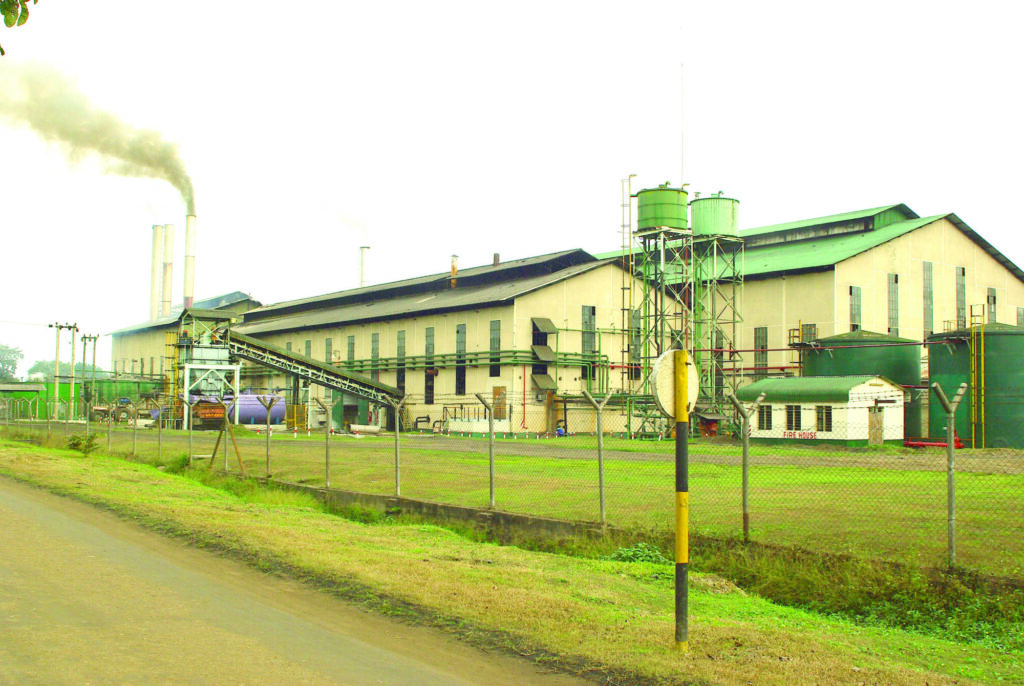
A Sugar Factory
Flagship projects and new entrants
Under the Kilombero K4 expansion project, a 100-hectare model irrigation scheme and a new 250-hectare seed nursery in Ifakara are helping farmers supply cane to the newly expanded facility. This single upgrade is expected to double output from 130,000 to 270,000 tonnes annually.
According to Prof. Bengesi, the past four years mark the most transformative period in Tanzania’s sugar history. Notable new entrants include Bagamoyo Sugar and Mkulazi, boosting the number of major factories from four to six a 50% increase.
Three more factories on the way
1.Lake Agro, Rufiji, expected completion in 2.5 years
2. Mufindi Paper Mill, Kasulu, Kigoma; farming begun, equipment on order
3. Golden Sugar – Kagera; equipment procurement to begin by June 2025
“These are significant strides,” Bengesi concluded. “Five new sugar factories in six years, it’s something we couldn’t have imagined a decade ago.”