
By Business Insider Reporter, Kigali
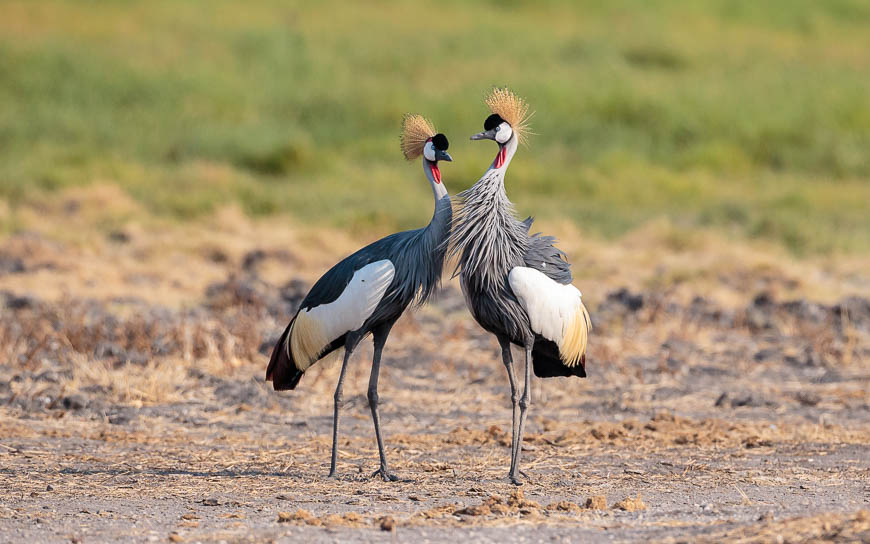
With its majestic golden crown and elegant courtship display, the Grey Crowned Crane is more than just a symbol of East African beauty – it is an ecological indicator and a vital part of the region’s biodiversity.
But a recent meeting of stakeholder held here established that the once renowned creatures are edging closer to extinction due to habitat loss, illegal poaching, and increasing conflict with humans.
The urgency of its protection brought together conservationists from Tanzania, Rwanda, Uganda and Burundi Nyagatare District in Rwanda, where they agreed on a regional approach to safeguard the Grey Crowned Crane.
For Tanzania, this is not only a conservation challenge but also a strategic opportunity to reinforce its environmental leadership, attract eco-tourism, and preserve key wetlands that serve both people and wildlife.
Why this matters for Tanzania
In Tanzania, wetlands – particularly in regions like Kilombero, Wembere and Malagarasi – are vital crane habitats.
However, these ecosystems are under mounting pressure from agricultural expansion, settlement, and infrastructure development.
Emmanuel Mgimwa of Nature Tanzania notes that these changes have fragmented crane breeding grounds and contributed to rising human-wildlife conflict.
In some farming communities, cranes are seen as pests, leading to the destruction of nests and intentional killings.
If this trend continues, Tanzania could lose one of its most charismatic species, undermining both its ecological heritage and tourism potential.
Conversely, proactive engagement in regional conservation efforts could help the country reap long-term benefits – from strengthened regional cooperation to increased funding and visibility for community-based conservation.
Lessons from Rwanda
Rwanda has demonstrated what coordinated conservation can achieve.
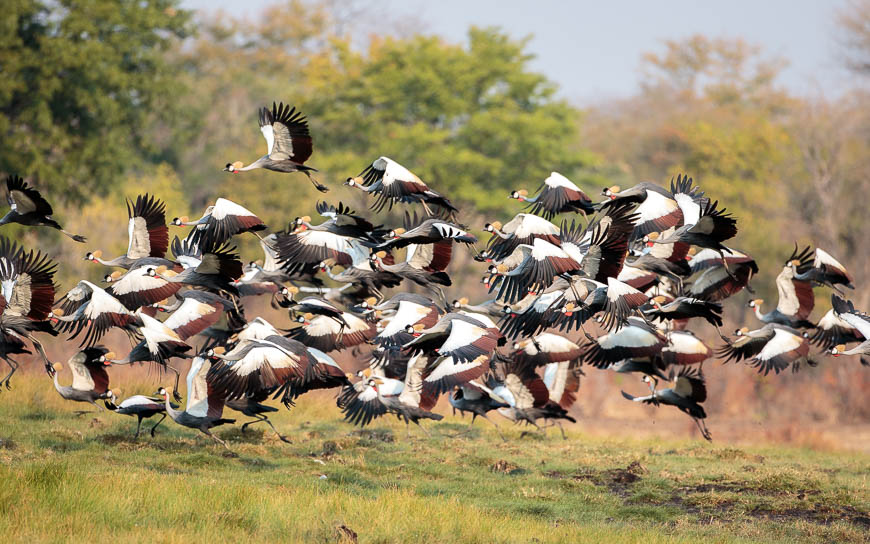
Through legal reforms, community education, drone and GPS monitoring and partnerships with local champions, Rwanda increased its crane population from 487 in 2017 to 1,293 in 2024.
Key to this success was grassroots involvement and strong policy alignment. Tanzania can adopt a similar model by strengthening policy coordination with neighbours, especially on cross-border wetland and crane movement data, investing in modern conservation tools – such as drone-based monitoring and GPS tagging – to track migratory patterns and identify new threats and expanding environmental education in schools and local communities to shift perceptions and promote crane-friendly land use practices, among other measures.
The country can also harmonise wildlife laws regionally to ensure that protections do not end at national borders.
Turning threats into guardians
As Mgimwa highlights, Tanzania’s greatest asset lies in its communities.
By involving fishermen, farmers, and herders in conservation work, Nature Tanzania has turned past threats into active protectors.
For example, supporting local fishing communities with infrastructure like modern markets has fostered goodwill and stewardship over nearby crane habitats.
This “community-first” approach should be scaled nationally.
Government agencies, NGOs, and donors should prioritize projects that create incentives for conservation – whether through ecotourism, conservation agriculture, or alternative livelihoods like beekeeping or craft-making linked to crane protection.
The call for action
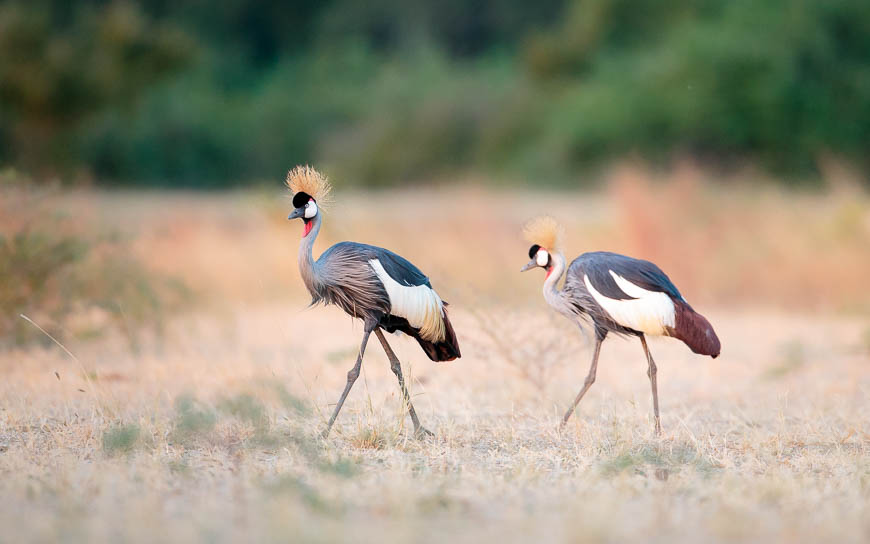
Dr. Deo Ruhagazi from the Rwanda Wildlife Conservation Association (RWCA) stresses the need for regional unity: “These birds do not respect political boundaries. If one country protects them while another ignores them, everyone loses.”
For Tanzania to ensure it does not become the weak link in this chain, it must formally join and commit to the proposed East African Crane Conservation Framework, ensuring continuous collaboration with Rwanda, Uganda, and Burundi.
Tanzania can also map and protect critical wetland habitats, especially those with high crane activity, and integrate them into national land use planning.
Conservation with Shared Responsibility Protecting the Grey Crowned Crane is no longer a task that one country can shoulder alone. For Tanzania, this bird represents not just a natural treasure but also a test of its commitment to sustainable development, cross-border cooperation, and biodiversity stewardship.