By Peter Nyanje, Dodoma
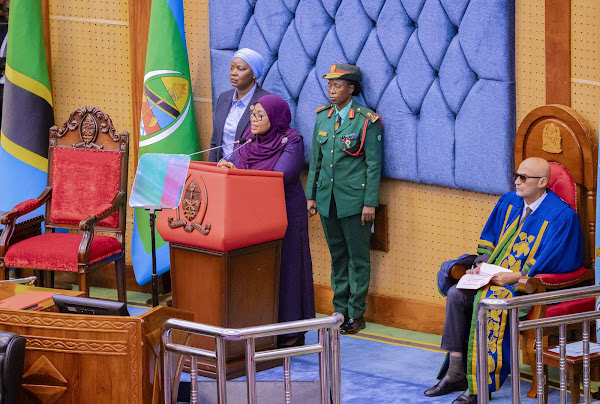
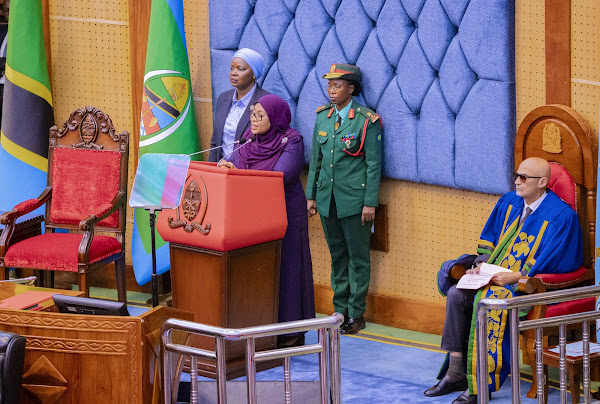
President Samia Suluhu Hassan’s inauguration of the 13th Parliament marked one of the most defining political moments since she was sworn in 12 days ago.
Her speech signalled an administration entering its second electoral mandate with renewed confidence, clearer priorities and a sharpened focus on healing, economic transformation, institutional reforms and citizen-centred governance.
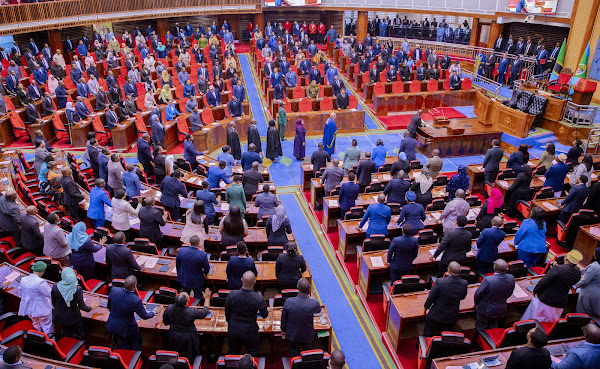
Speaking to a packed chamber in Dodoma, President Samia began on a sombre note, acknowledging the loss of life and destruction that followed the tensions surrounding the October 29th general election.
She asked the House to stand for a moment of silence and extended condolences to affected families. She emphasised that the government had already appointed a Commission of Inquiry to investigate the unrest and uncover its root causes
It was a symbolic opening: a leader recognising a nation still recovering from political wounds, while also setting the stage for reconciliation and accountability. She directed security agencies and the Director of Public Prosecutions to thoroughly re-examine the treason cases filed across the country and ensure that people who participated in the chaos unknowingly are released. It was a bold political statement, signalling a maturing democracy where dissent is separated from criminal intent.
Healing, dialogue and national cohesion
The Sixth-Phase Government has repeatedly framed dialogue as a governance tool – not a political weakness. President Samia underscored that the Commission’s findings would guide the next steps towards dialogue to foster reconciliation and peace ;
This approach aligns with her broader legacy of political reforms: opening civic space, re-engaging opposition leaders, promoting election reforms and rebuilding public trust in state institutions. The next five years will likely cement these efforts, especially with growing calls for constitutional reforms and stronger electoral systems.
Economic transformation anchored on investment
The President outlined a sweeping economic reform agenda targeting investment climate improvements, job creation, industrialisation and expanded revenue collection. While the uploaded speech excerpt does not include the entire economic section, earlier parts of her governance have centred on:
- strengthening Tanzania’s competitiveness
- expanding strategic infrastructure
- deepening domestic resource mobilisation
- accelerating key sectors such as energy, agriculture, tourism and the blue economy
The Sixth-Phase Government’s push to revive stalled projects, streamline regulations and attract foreign direct investment is expected to intensify, especially given her insistence on “speed and delivery” across ministries.
Youth employment and the human capital agenda
Tanzania’s youthful population is both an opportunity and a policy pressure point. President Samia reaffirmed that unemployment – particularly among young people – remains a national priority requiring targeted interventions. Her government’s focus on vocational training, digital skills, labour-market reforms and innovation is set to shape policy direction over the next term.
Under her new Cabinet, performance contracts and accountability mechanisms will be strengthened, ensuring that ministries deliver measurable results, especially in sectors that directly influence job creation.
Governance reforms and institutional accountability
In her address, President Samia did not shy away from outlining the moral and legal responsibilities of public officials. She emphasised rule of law, professionalism, and ethical conduct – principles she believes must guide Parliament, the Executive and all state organs.
The government’s direction includes:
- strengthening oversight institutions
- improving public service delivery
- reinforcing anti-corruption efforts
- enhancing transparency in procurement and budgeting
This reflects her long-term ambition to overhaul state institutions and modernise public administration.
Social services
Although the excerpt focuses on political reconciliation, President Samia’s wider governance record – and consistent messaging – prioritises investment in health infrastructure, improving maternal care, rehabilitating hospitals and expanding access to medical equipment. She has highlighted the construction of thousands of dispensaries and health centres as part of her drive to tackle preventable deaths among mothers and children.
Education reforms – especially curriculum improvements, digital learning, teacher training and expansions in tertiary institutions – will also take centre stage in the Sixth-Phase agenda. Social protection initiatives targeting vulnerable groups, the elderly, women and people with disabilities remain key pillars in her inclusivity drive.
Security and stability
The directive to review treason charges speaks to a nuanced security approach that balances enforcement with fairness. The Sixth-Phase Government appears set to prioritise:
- preventing political violence
- improving police professionalism
- enhancing intelligence coordination
- strengthening community-centred security initiatives
With the Commission of Inquiry underway, the administration aims to create a more predictable and stable political environment.
Foreign policy and regional leadership
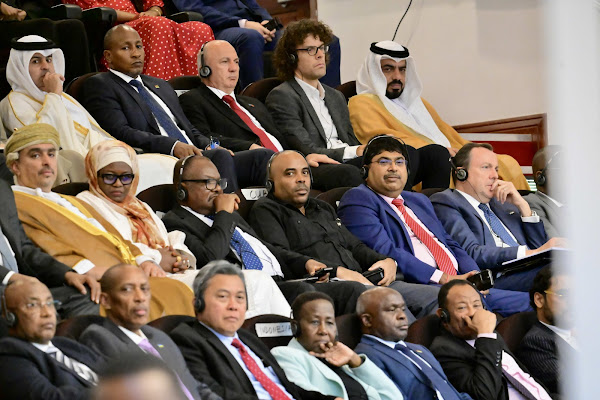
President Samia’s diplomacy has repositioned Tanzania on the international stage, renewing global partnerships and regional cooperation. Her government’s next phase will strengthen trade ties, promote investment partnerships and reinforce Tanzania’s leadership in the East African Community and SADC.
A government re-setting its compass
President Samia’s speech was not merely ceremonial. It was a roadmap for a government entering a critical period in Tanzania’s political and economic evolution. The Sixth-Phase Government is positioning itself as:
- a unifying administration
- an investor-friendly regime
- a promoter of human rights and institutional reforms
- a catalyst for youth-driven economic transformation
- a champion of peace and political tolerance
Her directive on the treason cases, the establishment of the Inquiry Commission and the call for national healing set the tone: this is a government intent on confronting uncomfortable truths while forging a more inclusive future. As the 13th Parliament begins its work, the direction is clear – reform, reconciliation and accelerated development will define Tanzania’s governance trajectory over the next five years.