By Business Insider Reporter
Tanzania is blessed with 21 national parks, each with its own unique allure. But among them, Saadani National Park stands alone – offering a rare and unforgettable fusion of wildlife, coastal beauty, biodiversity, and cultural heritage unmatched anywhere else in East Africa.
Nestled along the Indian Ocean, Saadani spans the coastal districts of Bagamoyo (Pwani Region) and Muheza and Pangani (Tanga Region).
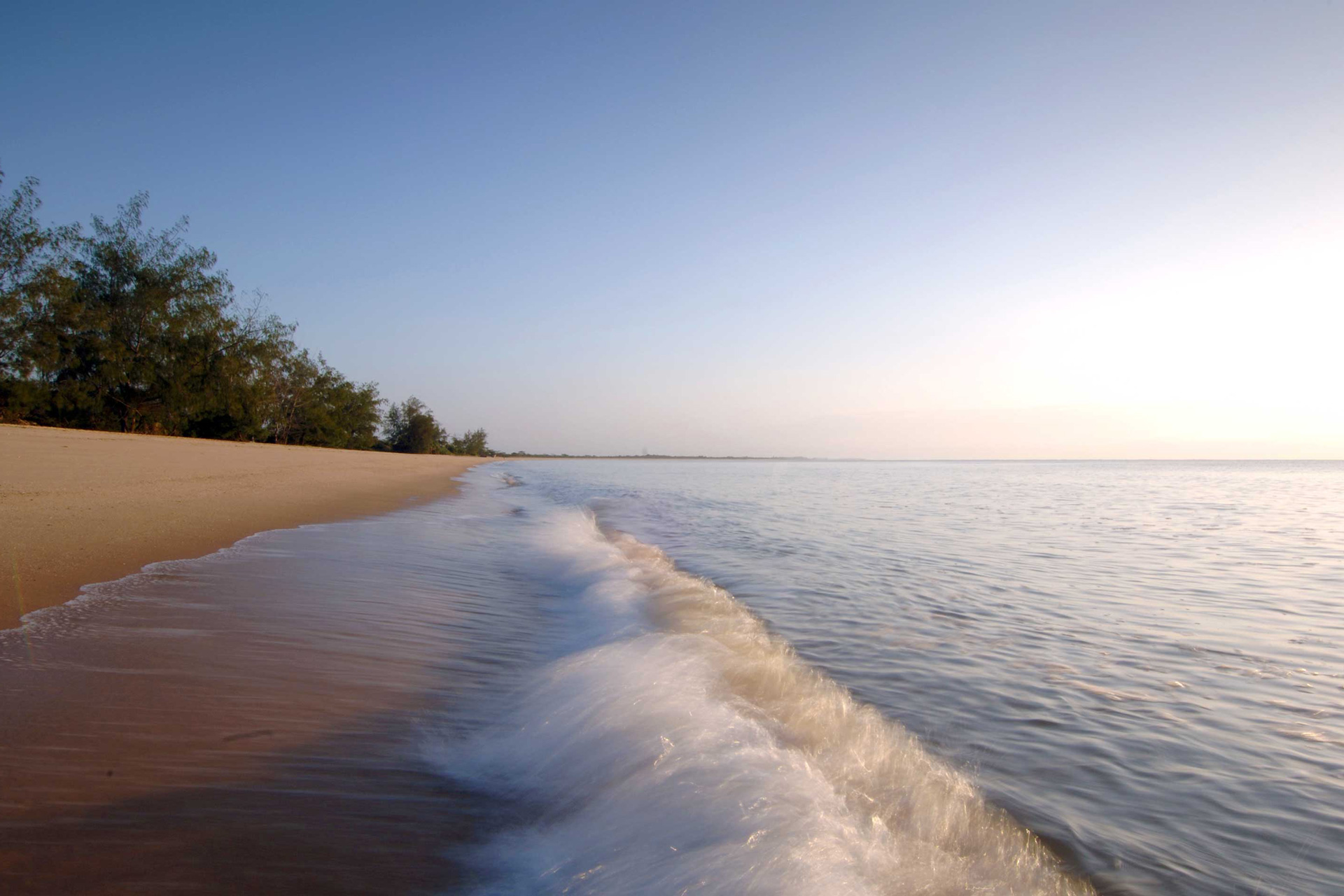
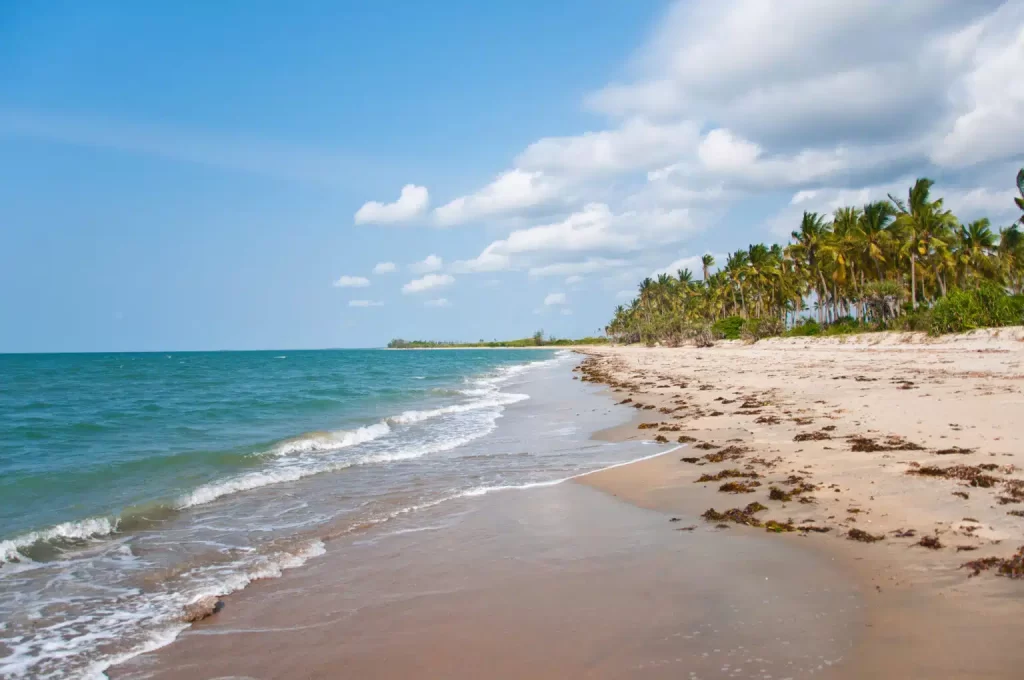
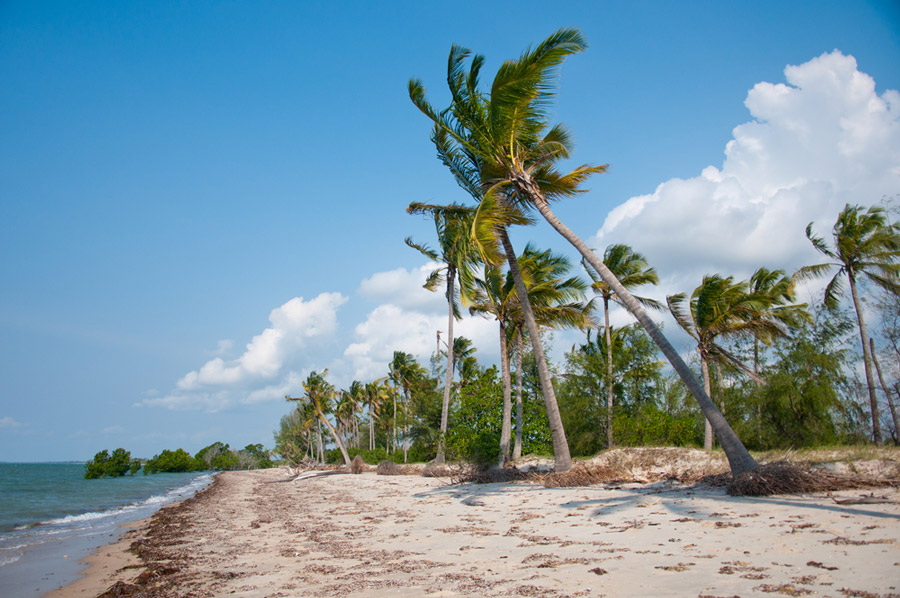
What sets this park apart is its singular geographic phenomenon: it’s the only place in East Africa where wild animals and humans share a beach.
Here, lions, elephants, zebras – and the occasional giraffe – roam against the shimmering backdrop of ocean waves.
“Saadani’s uniqueness goes far beyond the scenery,” said Acting Park Manager Daud Gordon. “This is one of the very few places on Earth where you can watch iconic wildlife lounging on the beach. It’s a surreal, unforgettable experience.”
Where the forest meet the sea
Beyond its beachside savannahs, Saadani also protects the Zaraninge Forest, one of Tanzania’s last remaining coastal rainforests.
This pristine, biodiverse area plays a critical role in regulating regional rainfall and provides habitat for endangered plant and animal species.
The park’s mangrove-lined estuaries, meanwhile, serve as vital breeding grounds for marine life – including sea turtles.
Perhaps most fascinating is the confluence of the Wami River and the Indian Ocean, a site where freshwater and saltwater flow side by side but don’t mix – a phenomenon that stirs both scientific interest and spiritual awe.
“It’s a scientifically fascinating occurrence, and just one of many natural wonders here,” Gordon noted.
A journey through history and faith
Saadani’s story is not only ecological – it’s deeply human. The park encompasses the Caravan Serai Historical Site in Bagamoyo, a haunting reminder of the East African slave trade. Visitors can explore ruins of slave-holding cells, a symbolic baobab tree once used for executions, and graves of early Christian missionaries who sought to bring hope during a dark chapter of history.
“There’s also a spiritual dimension to Saadani,” Gordon added. “One baobab tree in the park naturally grew into a shape resembling the Virgin Mary – it hasn’t been carved or altered. Many see it as a sign of divine presence, attracting religious pilgrims as well.”
For Lucas Mollel, a church leader from the Evangelical Lutheran Church in Arusha, his visit to Saadani was more than tourism – it was a faith-affirming journey.
“I witnessed God’s remarkable creation,” he said. “I was amazed to find fresh river water next to the salty sea, yet they remain separate. And the historical sites – the artefacts from the slave trade – remind us of where we’ve come from. I encourage both religious and government leaders to visit. It’s a place for reflection, learning, and appreciating the greatness of God’s work.”
Investment and Accessibility: A Park Poised for Growth
To unlock its full potential, the Tanzania National Parks Authority (TANAPA) has identified nine investment zones within the park.
These areas are open to investors interested in building eco-lodges, beach tourism facilities, and water sports infrastructure that align with conservation goals.
Established as a national park in 2005 – after years as a game reserve – Saadani is strategically positioned.
It lies within easy reach of Julius Nyerere International Airport (JNIA), the Dar es Salaam Port, the historic town of Bagamoyo, and even the world-renowned island of Zanzibar.
This accessibility makes Saadani not just a hidden gem, but a promising frontier for nature-based tourism, cultural education, and religious pilgrimage.
More than a park, a national treasure
In a time when global travelers increasingly seek authentic, meaningful experiences, Saadani offers exactly that. It’s a place where wilderness meets the sea, where history meets hope, and where spiritual discovery meets ecological wonder. As Tanzania looks to diversify its tourism offerings and attract higher-value visitors, Saadani National Park is not just relevant – it’s essential.