
By Business Insider Correspondent
Rwanda’s decision to withdraw from the Economic Community of Central African States (ECCAS) is already sending ripples across the East African region, with analysts warning of broader economic implications for trade, investment and regional integration efforts.
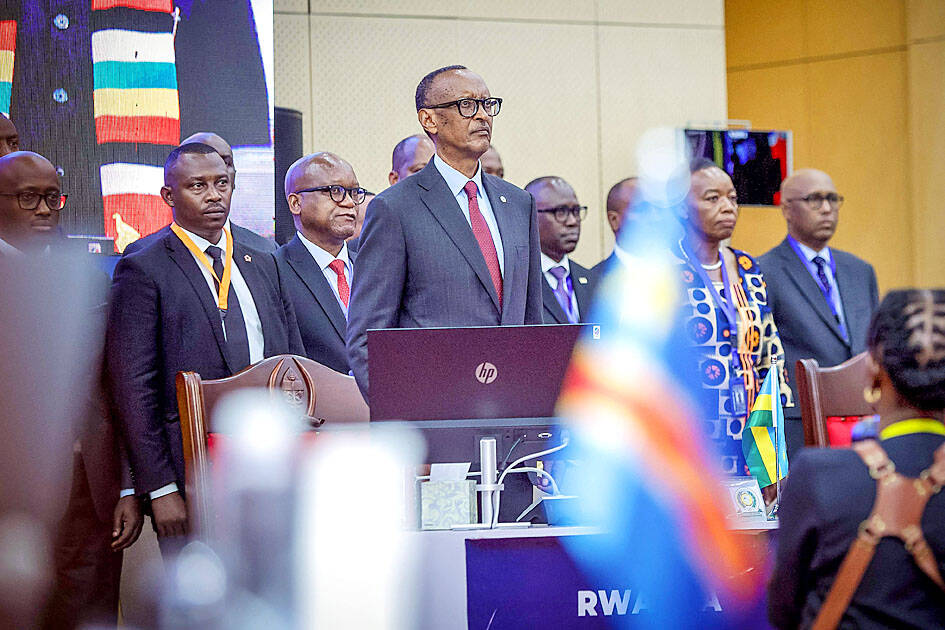
The announcement, made on June 7 by Rwanda’s Ministry of Foreign Affairs, follows a breakdown in diplomatic relations with the Democratic Republic of Congo (DRC) over the conflict in eastern Congo.
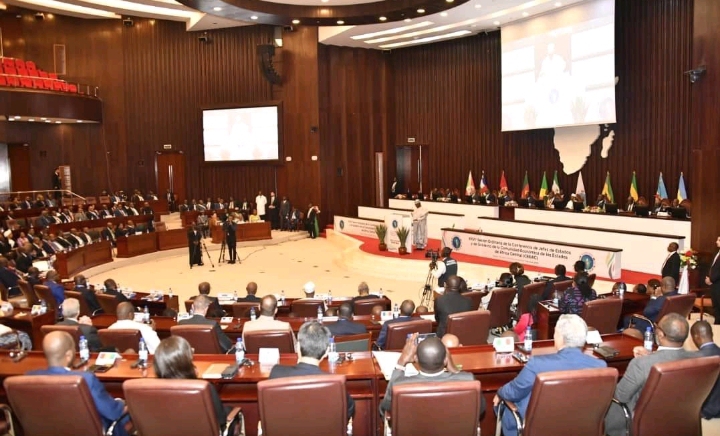
Rwanda accused ECCAS of bias and political manipulation, particularly after being passed over for the bloc’s rotating chairmanship in favor of Equatorial Guinea.
The snub was seen in Kigali as a sign of growing regional hostility, largely fueled by DRC’s allegations that Rwanda backs the M23 rebel group – claims Rwanda continues to deny.
While the move may appear political on the surface, economists and trade experts say Rwanda’s withdrawal from ECCAS could have real economic consequences, not just for Rwanda, but for East Africa and the African Continental Free Trade Area (AfCFTA) framework as a whole.
“Rwanda has been positioning itself as a regional trade and logistics hub,” says Dr. Linda Mutesi, an economist at the University of Rwanda. “Stepping back from ECCAS complicates that ambition, especially given the growing importance of intra-African trade corridors like the Central Corridor and Northern Corridor, which rely on cross-bloc coordination.”
Rwanda’s strategic location places it at the intersection of Central and East Africa, and it has been actively promoting itself as a gateway for trade between the two regions. Its withdrawal from ECCAS could lead to reduced influence in shaping trade policy and infrastructure development across Central Africa – markets that are essential for its re-export and logistics industries.
In recent years, Rwanda has increased its exports to countries like Gabon, Cameroon and the Central African Republic, all ECCAS members. With its withdrawal, tariffs, non-tariff barriers, and transport logistics across Central Africa may become more challenging, potentially driving up costs for Rwandan exporters and reducing regional market access.
Moreover, regional projects that cut across ECCAS and the East African Community (EAC), such as power-sharing agreements and regional rail initiatives, may face delays or reconfigurations.
There are also concerns about how this decision might affect investment sentiment in the East African region.
“Investors look for predictability and regional integration,” notes Kenyan trade analyst Moses Otieno. “If a country steps out of a major economic bloc due to political tensions, it raises questions about stability, especially in overlapping economic zones like EAC, ECCAS and AfCFTA.”
However, Rwanda appears to be banking on strengthening its ties within the EAC and other economic partners. Some analysts argue this could lead to a deeper integration within East Africa, especially with Rwanda increasingly aligning itself with Kenya, Uganda, and Tanzania on trade and digital infrastructure.
Still, Rwanda’s withdrawal from ECCAS underlines the fragility of Africa’s regional economic blocs, where political disagreements often spill over into economic cooperation. For East Africa, it’s a stark reminder that regional stability is critical not only for peace, but for shared prosperity.