By Business Insider Reporter
A new report by ActionAid International has raised red flags over the state of public education and health systems in East Africa, warning that austerity-driven budget cuts are eroding essential services and deepening inequality, especially in Kenya and neighboring countries.
The report, titled The Human Cost of Public Sector Cuts in Africa, presents alarming evidence from six African nations – Kenya, Nigeria, Malawi, Ghana, Ethiopia, and Liberia – where declining investment in public services, under pressure from debt repayments and International Monetary Fund (IMF) conditions, is severely affecting frontline teachers, health workers, and millions of ordinary citizens.
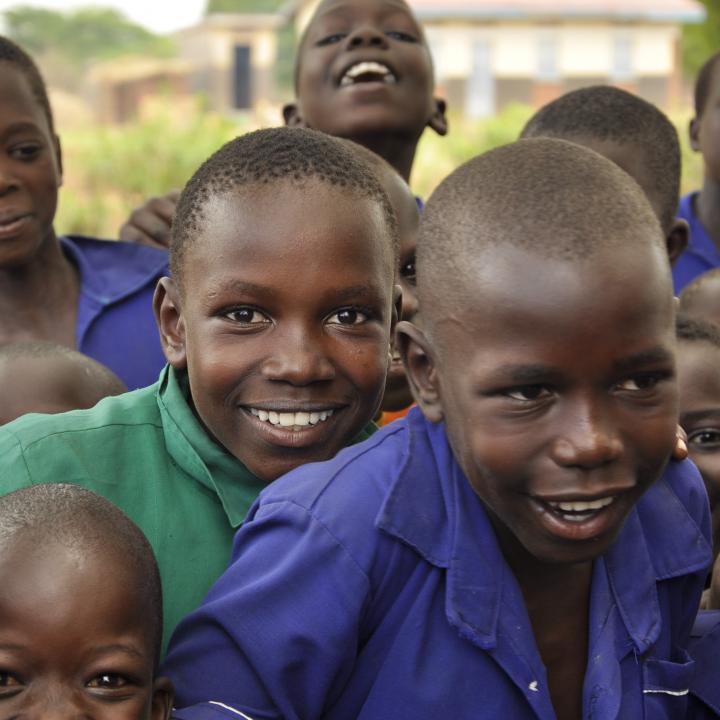
In Kenya, the education system is crumbling under the weight of overcrowded classrooms, deteriorating infrastructure, and teacher shortages.
Some classes in urban areas have swelled to over 200 students, while rural students endure long commutes to poorly equipped schools.
The report reveals that 95% of teachers across all surveyed countries report insufficient school budgets, with 100% of Kenyan teachers saying they now purchase their own teaching materials.
“We need at least 30 more teachers in this area,” a Kenyan community member told researchers, highlighting the urgent need to address ballooning student-to-teacher ratios. The study shows that 84% of teachers in Liberia and 80% in Malawi report worsening classroom ratios, while 70% of surveyed teachers across all countries have taken on heavier workloads.
Health services in crisis
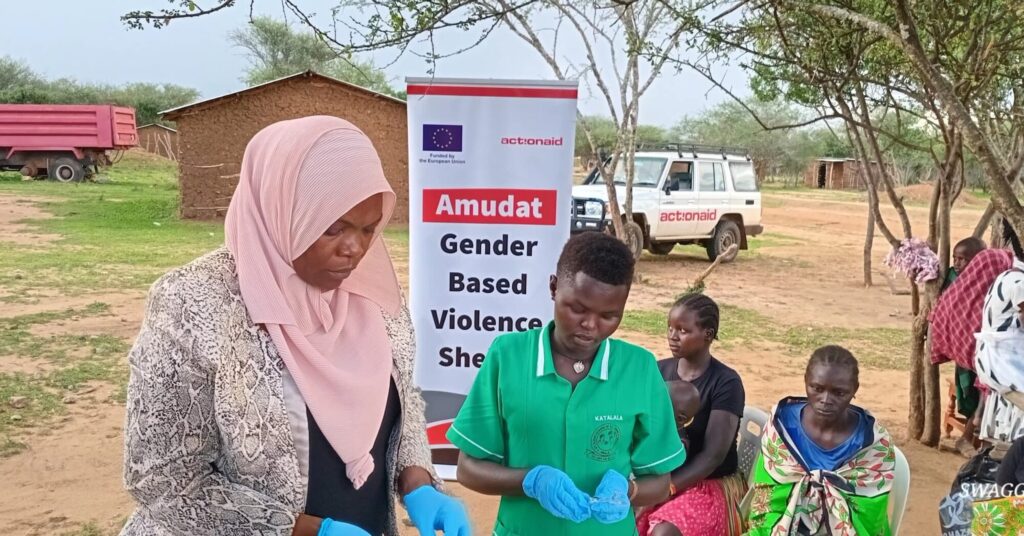
In the health sector, Kenyan health workers reported chronic shortages of medicines and essential equipment.
A staggering 96% said that budgets are so low that even basic items are unavailable.
Over 87% of health workers across all countries surveyed described similar problems, with patients facing long queues, poor facilities, and unaffordable treatment costs.
“Some women now give birth at home because they cannot afford hospital fees,” said one Kenyan healthcare worker.
In Taita Taveta, patients must travel over 40 km to access diagnostics, with rising doctor fees further limiting access to care.
Women, girls carry the heaviest burden
The report paints a dire picture for women and girls, who are disproportionately affected. In Kenya, menstruating girls often miss school due to inadequate sanitation facilities. Meanwhile, women are spending up to 28 additional hours per week on unpaid care work – time lost to economic and educational opportunities.
In rural areas, girls are often the first to be pulled from school to care for younger siblings or walk long distances to fetch water, a burden worsened by climate-induced droughts and infrastructure collapse.
Climate disruption compounds the crisis
Teachers in Kenya and Malawi were among the 63% of surveyed teachers who reported that floods, heatwaves, and droughts have disrupted schooling since 2020.
Despite the growing climate crisis, education systems remain unprepared. More than 56% of teachers said curricula do not adequately equip students to face environmental challenges.
Policy under fire
The study singles out IMF-imposed austerity measures – particularly public sector wage bill ceilings – as a major contributor to the crisis.
These policies have prevented governments from hiring enough teachers and health workers or raising salaries in line with inflation, pushing many professionals to the brink. In Kenya, 91% of teachers reported worsening working conditions, and nearly half are considering leaving the profession altogether.
The report urges East African governments, including Tanzania, to reject these externally imposed budget constraints and increase investment in essential public services.
It recommends the adoption of progressive taxation policies, gender-responsive infrastructure, and the cancellation or restructuring of unsustainable debt.
What it means for Tanzania
While Tanzania was not among the six countries directly surveyed, the findings offer a cautionary tale. With its rapidly growing population and expanding needs for health and education services, Tanzania risks similar outcomes if austerity policies take root. ActionAid is calling on governments across the region to resist austerity, invest in public services, and uphold citizens’ right to education and healthcare – warning that failure to act will only widen the inequality gap and reverse decades of progress.