By Business Insider Reporter &s Agencies
US Republicans are at odds over whether to cut funding for a well-regarded anti-HIV programme as part of efforts to codify spending cuts.
This week the White House sent Congress a bill that would cut at least US$9 million (about TSh239 billion) from the US President’s Emergency Plan for AIDS Relief (PEPFAR), and is requesting a further US$900 million in cuts to global health spending.
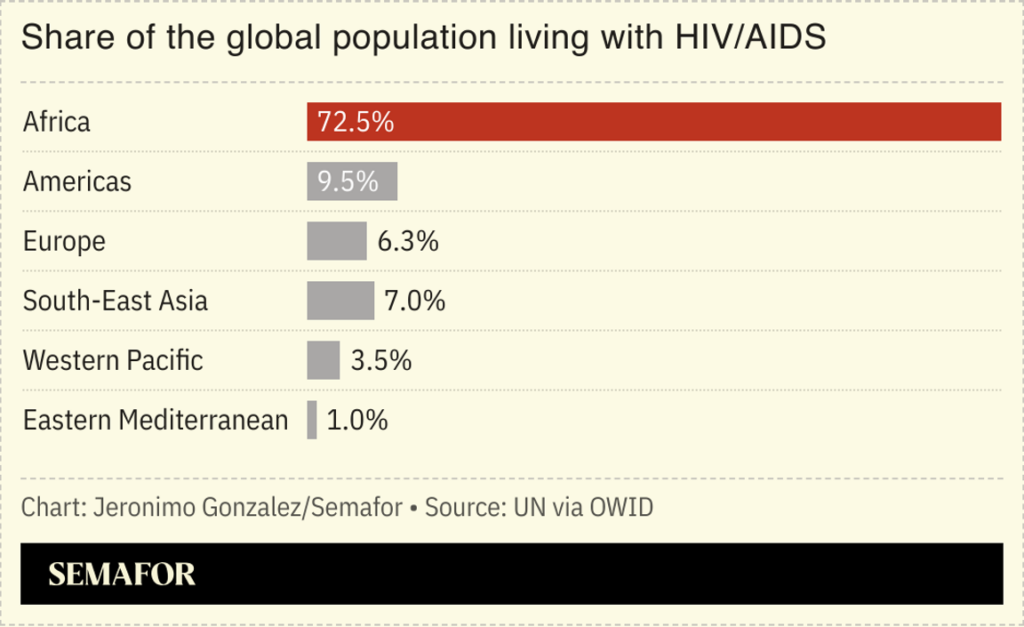
But some Republicans are skeptical of further cuts to PEPFAR, a President George W. Bush-era programme which is credited with saving more than 25 million lives, primarily in sub-Saharan Africa, over the last two decades.
Its future has now been cast into doubt by the Trump administration’s aid pullback.
“If PEPFAR is in there, that is a red line,” one Republican congressman said of the legislation, adding that it was “a noble programme.”
The White House’s own officials appear divided. Troy Fitrell, the administration’s top Africa official, defended its PEPFAR policy in a congressional hearing on Wednesday, saying that “85% of the programme is continuing” as the State Department is “absorbing the tasks USAID used to do in regard to PEPFAR and working out our staffing.”
The White House’s top budget official, Russell Vought, took a different tack when pressed on the issue in a separate hearing on the same day, saying that “at some point, the continent of Africa needs to absorb more of the burden of providing this health care.”
PEPFAR in Tanzania: Start of operations
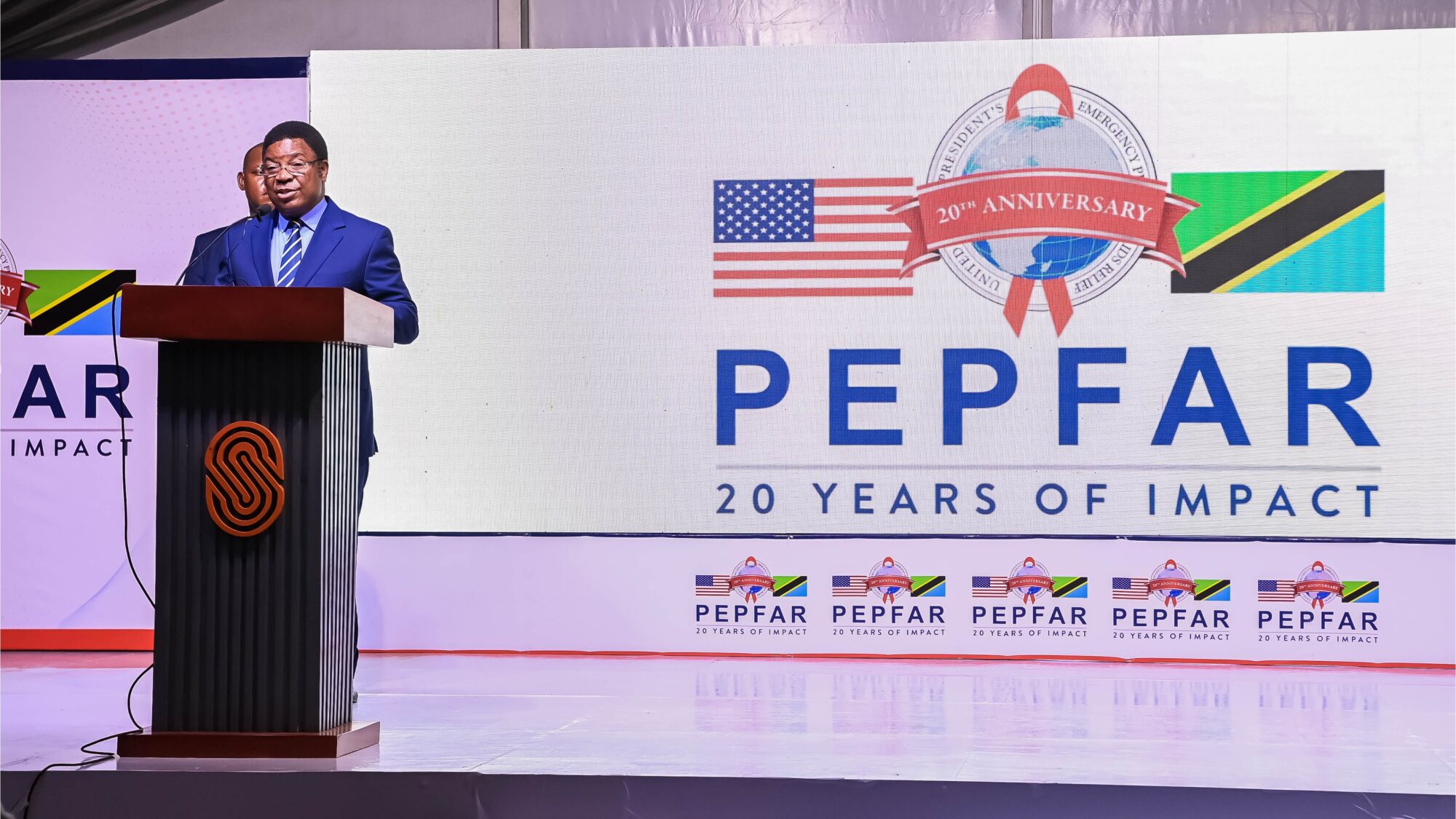
PEPFAR launched its operations in Tanzania in 2004 and has since played a transformative role in strengthening the country’s national HIV/AIDS response.
Through substantial financial investments, technical support, and health systems strengthening, PEPFAR has helped scale up prevention, testing, treatment, and care services across all regions of Tanzania.
Its efforts have significantly reduced HIV-related morbidity and mortality and contributed to a steady decline in new infections.
The programme operates in close partnership with key national stakeholders, including the Ministry of Health, the National AIDS Control Programme (NACP), the Tanzania Commission for AIDS (TACAIDS), as well as civil society organizations, faith-based institutions, and community-based groups.
This collaborative approach ensures that interventions are locally led, culturally appropriate, and sustainably integrated into Tanzania’s broader health systems.
Key achievements in Tanzania
Over 1.3 million people living with HIV (PLHIV) are on antiretroviral therapy (ART) through PEPFAR support.
- Mother-to-child transmission prevention (PMTCT) has seen major progress, with high coverage of ART among pregnant women living with HIV.
- HIV-related deaths and new infections have significantly declined.
- HIV testing and counseling services expanded to reach remote and high-risk populations.
- Health system strengthening, including training healthcare workers, improving lab services, and expanding health information systems.
- Voluntary medical male circumcision (VMMC) programmes scaled up to reduce HIV transmission.
PEPFAR’s US$6 billion investment in Tanzania
Over the past two decades, PEPFAR) has invested more than US$6 billion (nearly TSh16 trillion) in Tanzania’s fight against HIV/AIDS – an investment that has helped transform the trajectory of the epidemic and position the country within reach of epidemic control.
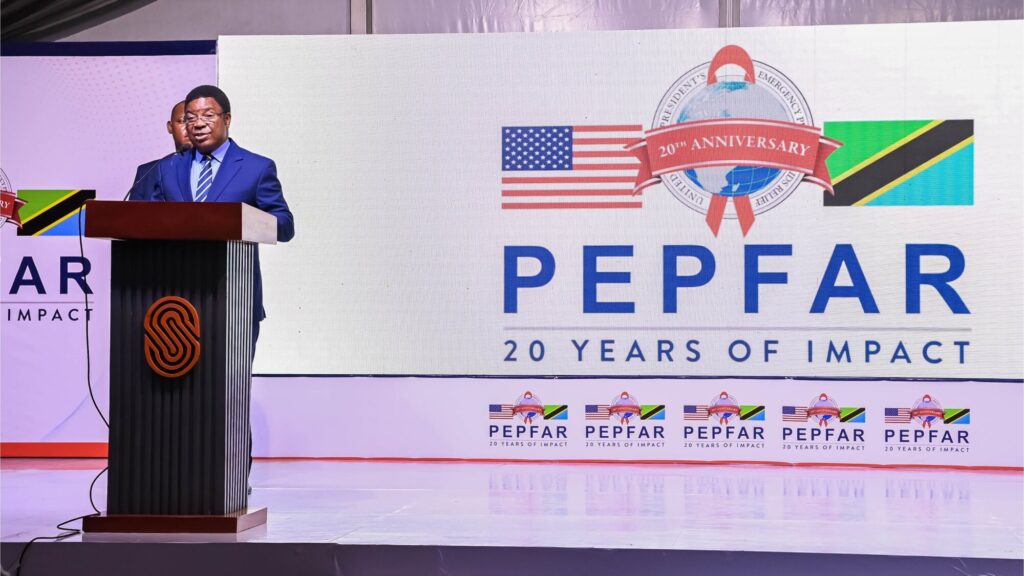
Once gripped by a severe HIV crisis, Tanzania has seen HIV prevalence drop from 7% in 2003 to 4.7% in 2023, thanks to widespread testing, increased access to antiretroviral therapy (ART), and comprehensive prevention programmes – all largely funded by PEPFAR.
The programme now supports over 1.6 million Tanzanians on lifesaving ART, up from fewer than 50,000 two decades ago.
“The scale and impact of PEPFAR’s investment in Tanzania cannot be overstated,” says D Asha Mbwana, Director of Tanzania’s National AIDS Control Programme. “This funding has not only saved lives but also rebuilt health infrastructure, trained thousands of healthcare workers, and helped integrate HIV services into general health care.”
In fiscal year 2024 alone, PEPFAR allocated over US$140 million (about TSh372 billion) to Tanzania, enabling robust HIV testing services, supply chain support, treatment continuity, and community-based interventions targeting key and vulnerable populations.
Beyond Tanzania, PEPFAR has invested over $110 billion (about TSh292 trillion) globally, the largest commitment by any nation to combat a single disease. Its efforts have saved more than 25 million lives across over 50 countries and provided support to over 20 million people on ART.
The programme’s legacy extends far beyond HIV – it has strengthened health systems, supported maternal and child health, and laid groundwork for responses to emerging diseases like COVID-19 and Ebola.
As Tanzania pushes toward the ambitious UNAIDS 95-95-95 targets (95% diagnosed, 95% on treatment, 95% virally suppressed), PEPFAR’s sustained commitment remains critical. Stakeholders stress that continued investment is not only a matter of health, but of economic and social resilience. “PEPFAR is one of the best examples of how smart, targeted global health funding delivers measurable results,” said a senior US diplomat at the US Embassy in Dar es Salaam. “It’s not just saving lives – it’s changing the future of nations.”