
By Business Insider Reporter
In a bold step towards modernising Tanzania’s tourism sector, the Ngorongoro Conservation Area Authority (NCAA) is preparing to roll out a global digital payment system, enabling visitors to pay for entry and related services online from anywhere in the world.
The move – announced by NCAA Commissioner Abdul-Razaq Badru – marks a major shift in how Tanzania’s most iconic tourist destination will engage with international travelers.
It also sets a new benchmark for digital transformation across the country’s broader conservation and tourism ecosystem.
“Tourists will no longer face lengthy or inconvenient payment procedures upon arrival,” said Commissioner Badru. “They’ll be able to complete transactions digitally from their home countries and begin their experience at Ngorongoro without delays.”
A strategic digital leap
The new digital platform, tailored specifically for Ngorongoro, will be integrated with the government’s official e-payment system, ensuring secure, transparent, and seamless transactions.
This move aligns with Tanzania’s broader agenda to digitise public services and ease business operations, especially in the high-value tourism sector.
Industry experts say this innovation could boost tourist confidence, improve visitor experience, and significantly increase pre-arrival bookings – key factors for long-haul travellers who often plan and pay months in advance.
“This is a game-changer for Tanzanian tourism,” noted Dr. Rehema Lwilla, a digital economy analyst. “A globally accessible payment gateway positions Ngorongoro – and Tanzania – on par with world-class destinations that prioritise ease, security, and digital convenience.”
Economic and strategic impacts
Ngorongoro is not just any destination. As a UNESCO World Heritage Site, East Africa’s first Global Geopark, and a gateway to Serengeti National Park, the area attracts hundreds of thousands of visitors each year. Improved digital systems are expected to accelerate revenue collection, enhance visitor data for planning and marketing, reduce cash-handling risks and operational bottlenecks and increase competitiveness in the global travel market
The platform will also support bundled payments for additional services such as guided tours, cultural experiences, and accommodation options, offering a more holistic and user-friendly tourism product.
Infrastructure, heritage upgrades underway
The NCAA is complementing the digital upgrades with significant physical infrastructure improvements, including the rehabilitation of internal roads to facilitate the smooth movement of tourist vehicles throughout the crater and beyond.
Commissioner Badru also announced the introduction of new attractions focused on cultural heritage, a nod to Ngorongoro’s rich Maasai traditions and historical significance as the cradle of humankind.
During a ceremony to inaugurate newly appointed NCAA officials in Arusha, Minister for Natural Resources and Tourism, Ambassador Pindi Chana, underscored the importance of modernising all conservation areas to keep pace with the rapid growth in visitor numbers – now exceeding 5.2 million tourists annually.
“We must ensure our parks are well maintained, digitally accessible, and globally competitive,” said Ambassador Chana. “Ngorongoro’s initiatives show the way forward.”
Board Chairperson General (Rtd) Venance Mabeyo urged the newly sworn-in officials to uphold integrity and deliver on the Authority’s mission.
He linked the country’s recent success at the World Travel Awards to disciplined management and forward-thinking initiatives like those underway at Ngorongoro.
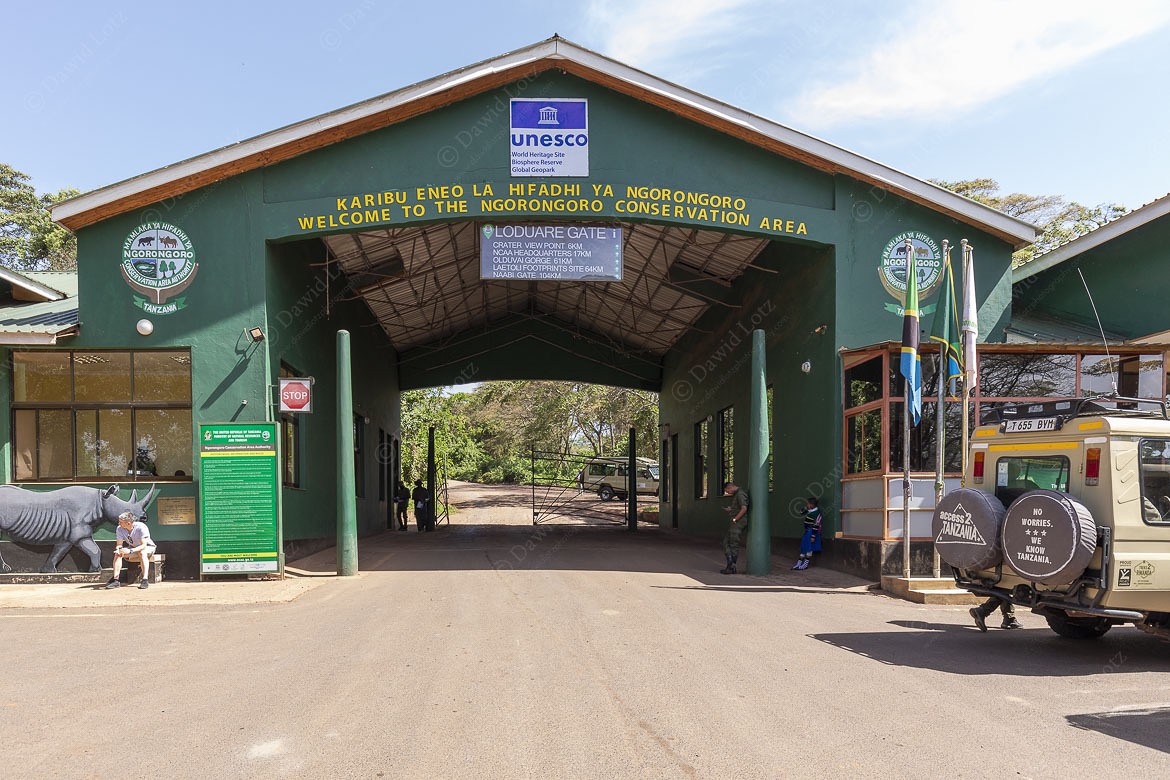
With the Loduare Gate serving as the main entry to both Ngorongoro and Serengeti, the area is a crucial anchor for the Northern Tourism Circuit, which accounts for a substantial share of Tanzania’s tourism revenues.
What this means for Tanzania
By investing in a globally integrated digital payment platform and strengthening infrastructure, Ngorongoro is pioneering a future-ready model for protected area management.
It’s a move that not only enhances the visitor experience but also signals that Tanzania is ready to compete globally as a top-tier tourism destination. This is more than just an upgrade – it’s a strategic investment in the sustainability and digital evolution of Tanzania’s tourism economy.