
By Business Insider Reporter
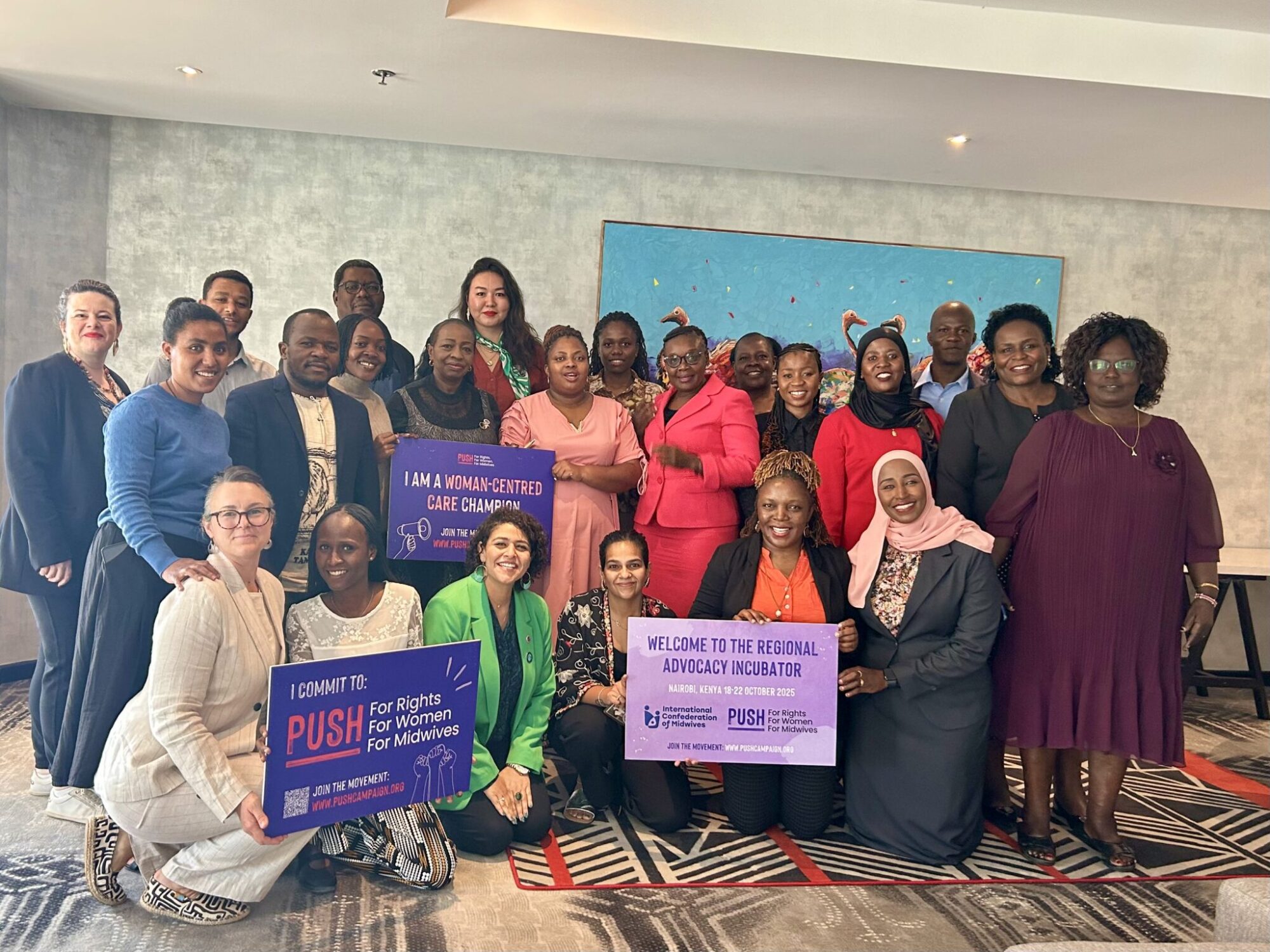
When midwives from across East Africa gathered in Nairobi in October for the International Confederation of Midwives’ (ICM) first Regional Advocacy Incubator, one message resonated louder than all: the future of maternal and newborn health in Africa will be shaped by midwives who can influence policy, mobilise resources and stand as leaders, not just caregivers.
For Tanzania, where midwives form the backbone of reproductive, maternal, newborn, child and adolescent health (RMNCAH), the incubator marks a significant moment. It offers new tools, networks and strategies to strengthen the Tanzania Midwives Association (TAMA) and elevate the voices of the profession at a time when the country is pushing hard to reduce maternal and neonatal mortality.
“The incubator showed us that our regional strength is our biggest resource,” TAMA representatives said during the session.
Why this matters for Tanzania
Despite major investments in health facilities, training, and equipment over the past decade, Tanzania continues to face challenges: shortages of midwives, uneven deployment, burnout, and limited influence in policy-making arenas where crucial RMNCAH decisions are made. Midwives often deliver the majority of primary maternal care – yet they have historically had limited power over the health reforms that shape their work.
The Advocacy Incubator aims to change that.
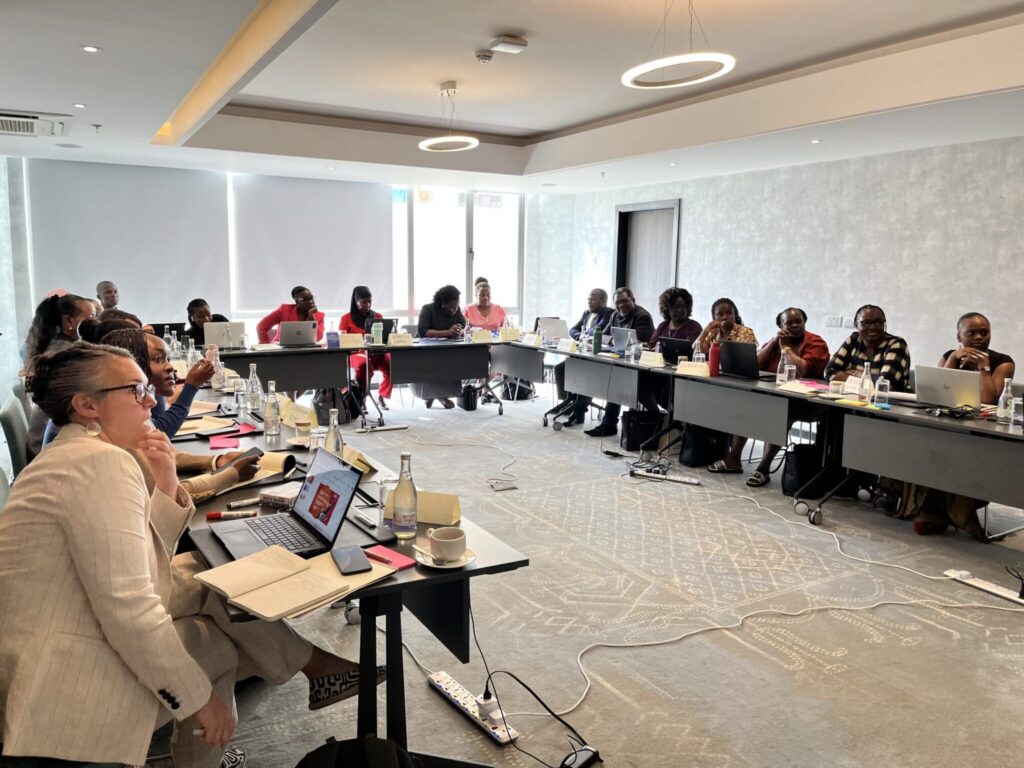
Held last month in Nairobi, the four-day workshop brought together midwives’ associations from Kenya, Tanzania, Uganda, Ethiopia and Malawi, with Uganda represented by two associations. For the first time, regional midwifery leaders engaged in structured advocacy training – going beyond clinical skills to focus on political strategy, coalition-building, communications and resource mobilisation.
The incubator’s programme ranged from designing costed national advocacy workplans to stakeholder power mapping, pitching techniques and policy-influencing strategies. By the end of the workshop, each national association had produced a peer-reviewed advocacy plan with clear targets, budgets and risk assessments.
For TAMA, this work aligns with Tanzania’s own efforts to strengthen midwifery through the National Roadmap Strategic Plan to Improve RMNCAH and the rollout of midwife-led maternity care in more districts.
The incubator also highlighted the power of peer learning, offering midwives a chance to compare experiences:
“Learning from each other is more powerful than any manual,” noted the Midwives’ Association of Kenya (MAK).
Expanding partnerships
One of the incubator’s most transformative sessions focused on multi-sector partnerships. Midwives engaged with representatives from UNFPA, the Gates Foundation, International Rescue Committee, and the Aga Khan University Centre of Excellence in Women’s Health.
Civil society champions – from Women in Global Health Kenya to the Reproductive Health Network – shared insights on how joint advocacy strengthens results.
For Tanzanian midwives, this opened fresh opportunities. As the Association of Malawian Midwives (AMAMI) observed:
“Some organisations we never thought of collaborating with could actually advance our agenda.”
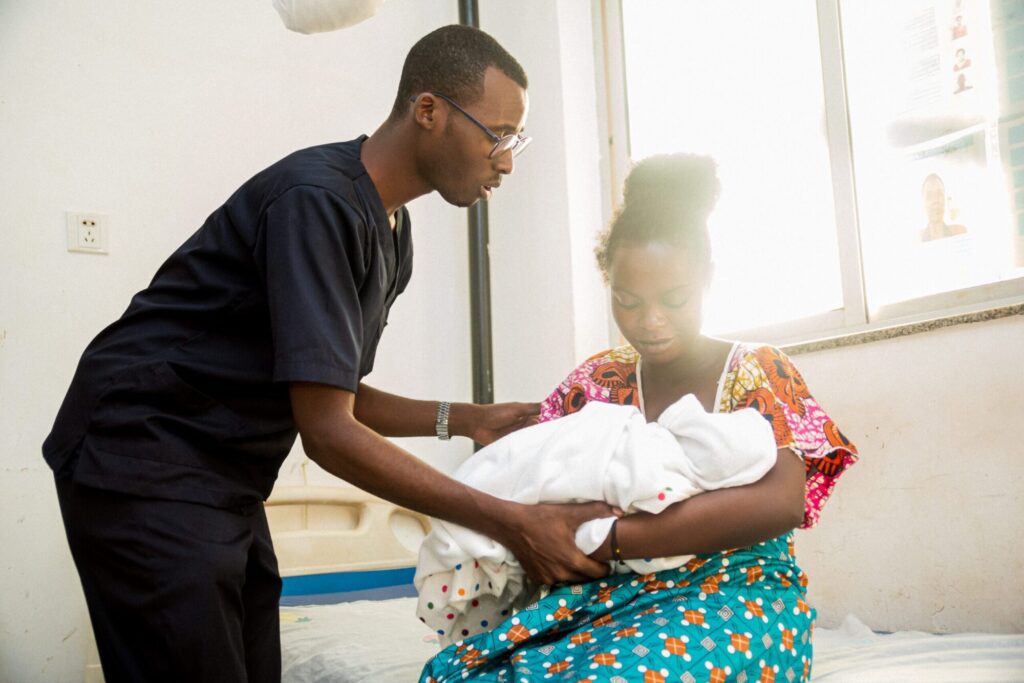
These collaborations are particularly relevant for Tanzania as the country scales up programmes addressing adolescent pregnancy, family planning uptake, emergency obstetric care and respectful maternity care.
A foundation for long-term regional influence
ICM’s Regional Advocacy Incubator is designed as a pilot, with plans to expand into other regions. In East Africa, it has already laid the groundwork for:
- A sustainable network of regional midwifery advocates
- Sharper regional positioning in global health decision-making
- Shared technical resources and joint fundraising initiatives
- Micro-learning sessions to sustain engagement and skills
The incubator also highlighted a critical truth echoed by the Uganda Private Midwives’ Association (UPMA):
“When funding comes, it rarely comes to one country – so we must be ready as a region.”
With development partners increasingly favouring multi-country grants, Tanzania’s ability to coordinate with neighbours may prove vital.
A turning point for the profession
The long-term vision is clear: midwives must be recognised as equal partners in health systems strengthening, not merely frontline responders. UNFPA’s maternal health lead, Mikaela Hildebrand, captured this sentiment:
“We see midwives’ associations and UNFPA country offices as two pieces of the same puzzle.”
For Tanzania, the incubator offers a rare strategic moment. It equips TAMA with the tools and alliances to shape national policy, advocate for better working conditions, push for investment in midwifery training institutions, and hold space in regional conversations on SRMNAH.
As the East African region positions itself to reduce maternal and newborn deaths and advance gender equality, the success of this incubator signals a shift towards evidence-driven, coalition-powered and regionally coordinated advocacy led by midwives themselves. The next chapter now lies in how Tanzania and its neighbours turn these plans into action—ensuring that the voices of midwives, and the women and families they serve, are heard at every level of decision-making.