East Africa’s unified approach promises greater access, stronger regulation, and fewer conflicts for Tanzanian fishermen.
By Business Insider Reporter
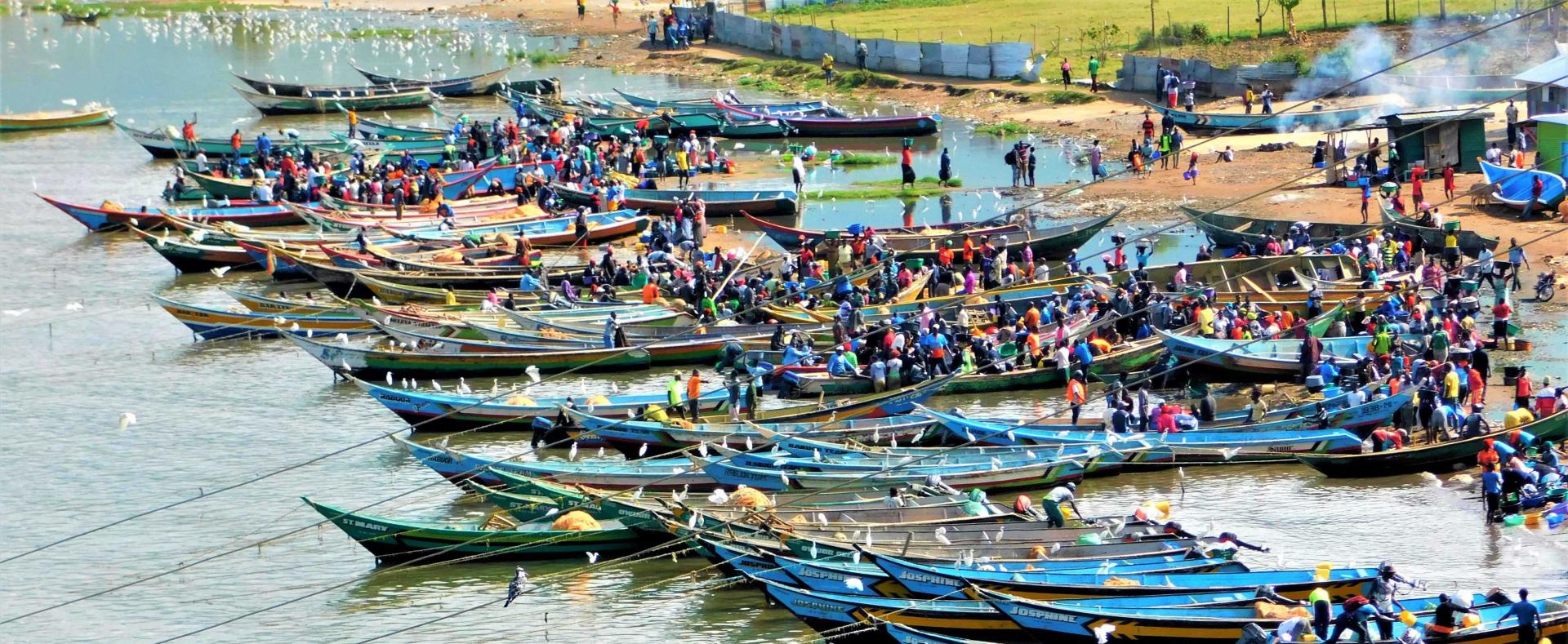
In a transformative step for regional fisheries management, East African nations – Tanzania, Kenya, and Uganda – are fast-tracking efforts to introduce a joint fishing license for Lake Victoria, a move that could bring long-awaited relief and opportunity for Tanzanian fishing communities.
The proposed license would harmonise regulations and allow verified fishers from all three countries to access Lake Victoria under a shared framework – cutting through years of bureaucratic red tape, cross-border arrests and economic uncertainty that have weighed heavily on Tanzanian fishermen, particularly those near Mwanza, Kagera, and Mara regions.
A boost for Tanzania’s lake economy
Lake Victoria, Africa’s largest freshwater lake, is more than a body of water for Tanzania – it’s a lifeline for tens of thousands of fishers and processors.
The country accounts for about 45% of the lake’s surface area, giving Tanzania a central role in this initiative.
Tanzania’s artisanal fishers have often found themselves caught in jurisdictional disputes and subjected to conflicting enforcement standards.
These conflicts, especially around disputed areas such as Migingo Island, have led to equipment seizures, fines, and even detentions, threatening both livelihoods and regional unity.
The new joint license framework – backed by high-level diplomacy including emissaries from Kenya and ongoing discussions with Tanzanian officials – aims to eliminate these tensions by creating a unified regulatory system.
Curbing illegal fishing
For Tanzania, which has struggled with illegal, unreported, and unregulated (IUU) fishing, this initiative could enhance enforcement and conservation efforts.
Studies indicate that up to 60% of fishing on Lake Victoria may be illegal, leading to dwindling stocks of critical species like Nile perch and tilapia – both key to Tanzania’s export market.
The joint license would facilitate real-time data sharing, joint patrols, and coordinated action among the three nations. This would not only protect the lake’s biodiversity but also create a more predictable business environment for Tanzanian fishing enterprises.
Economic stability and market integration
Lake Victoria’s fishing industry generates between US$500 million and US$800 million annually, with Tanzania commanding a significant portion of this trade.
However, fragmented licensing systems, pricing disparities, and unregulated border activity have historically undermined value creation.
A joint licence offers the promise of streamlined trade and uniform pricing standards – which could stabilise incomes for Tanzanian fishers and encourage formalisation of the industry.
For processors, exporters and investors, a harmonised system reduces risk and improves access to cross-border markets.
In Kenya, lakeside counties have already begun drafting a bill to support this integration by proposing standard beach pricing and cooperative enforcement mechanisms. Tanzanian stakeholders are expected to engage in similar consultations through Beach Management Units (BMUs) and regional fisheries committees.

Challenges for Tanzania
Despite the potential gains, implementation will not be without hurdles.
Revenue-sharing agreements, legal harmonisation, and capacity-building for enforcement remain unresolved. Moreover, the role of BMUs – some of which in Tanzania have been criticised for corruption or inefficiency – will need strengthening to ensure accountability.
In addition, environmental threats such as water pollution, invasive species, and climate change continue to pressure fish stocks.
A joint licence, while crucial, must be part of a broader strategy to rehabilitate Lake Victoria’s fragile ecosystem.
Turning point for Tanzanian fisheries?
If successfully implemented, the joint license could mark a turning point for Tanzania’s blue economy, anchoring the nation as a leader in regional fisheries governance while improving conditions for its fishing communities.
As East Africa embraces cross-border cooperation, Tanzanian fishers – from Nansio to Musoma – may finally gain a fairer, more secure stake in the lake that sustains them.