By Business Insider Reporter
A new funding initiative is set to transform the lives of over 41,000 out-of-school adolescent girls across five regions in the country by equipping them with health education, social support and development pathways that also enhance their role in environmental management and sustainability.
Launched as a call for expressions of interest ahead of a 27 June 2025 deadline, the programme targets girls aged 9 to 14 in Katavi, Songwe, Mtwara, Dodoma, and Tabora, with indirect benefits reaching up to 1.4 million adolescents through community engagement and social norm transformation.
At its core, the initiative seeks to address critical gaps in sexual and reproductive health (SRH), nutrition, immunisation, and education – areas where out-of-school girls face disproportionate disadvantages.
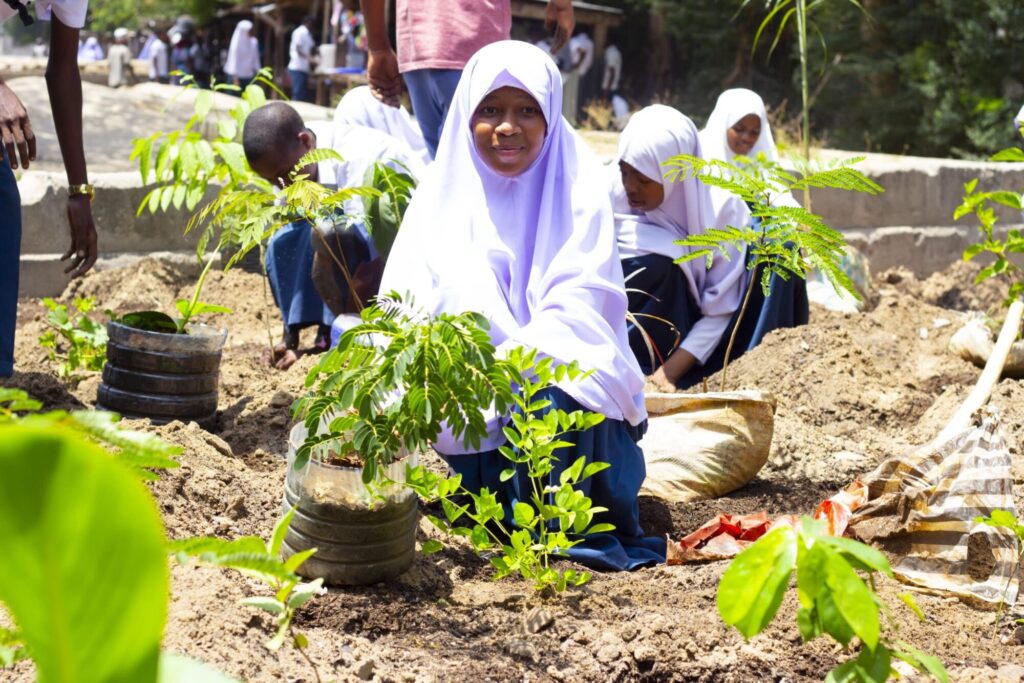
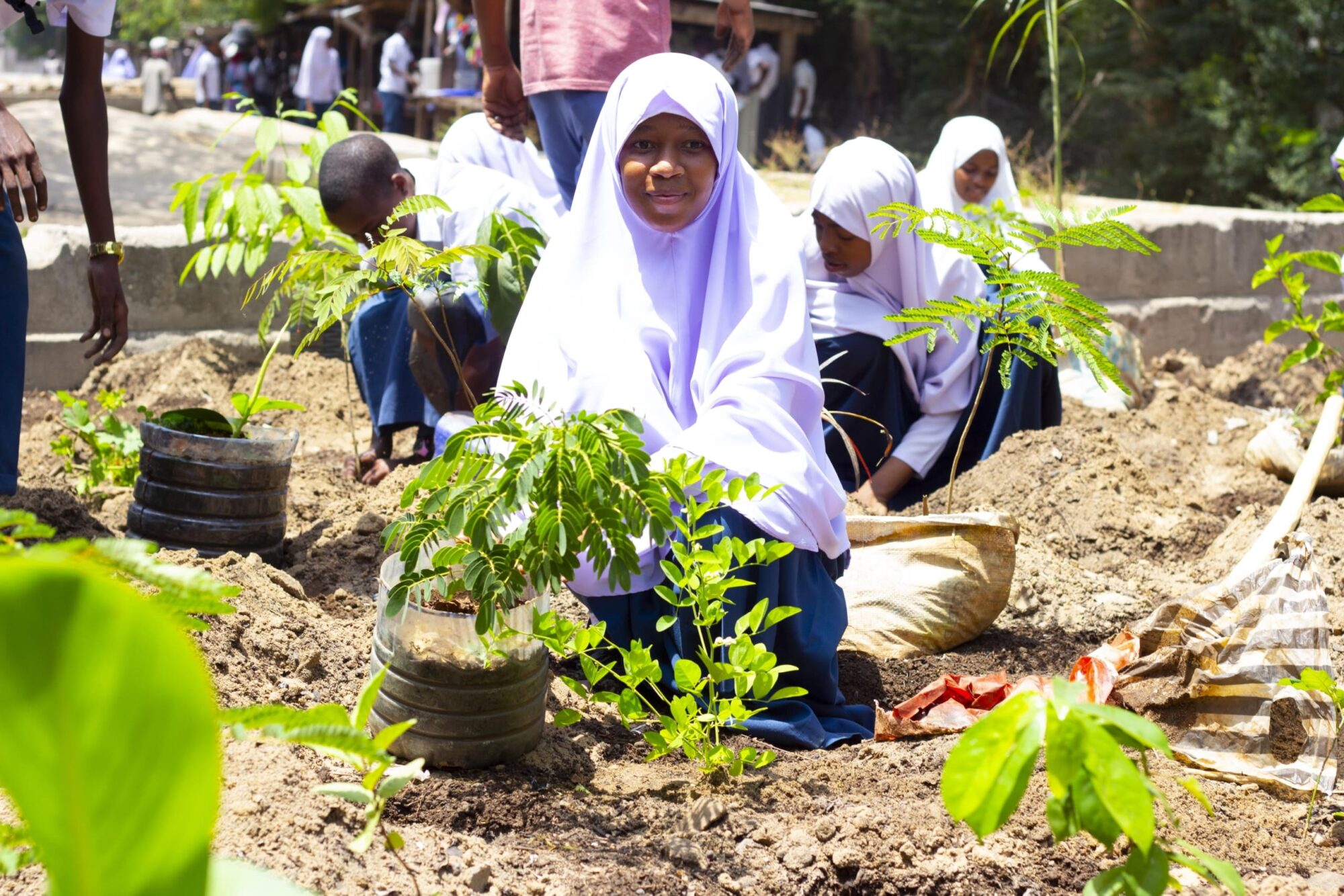
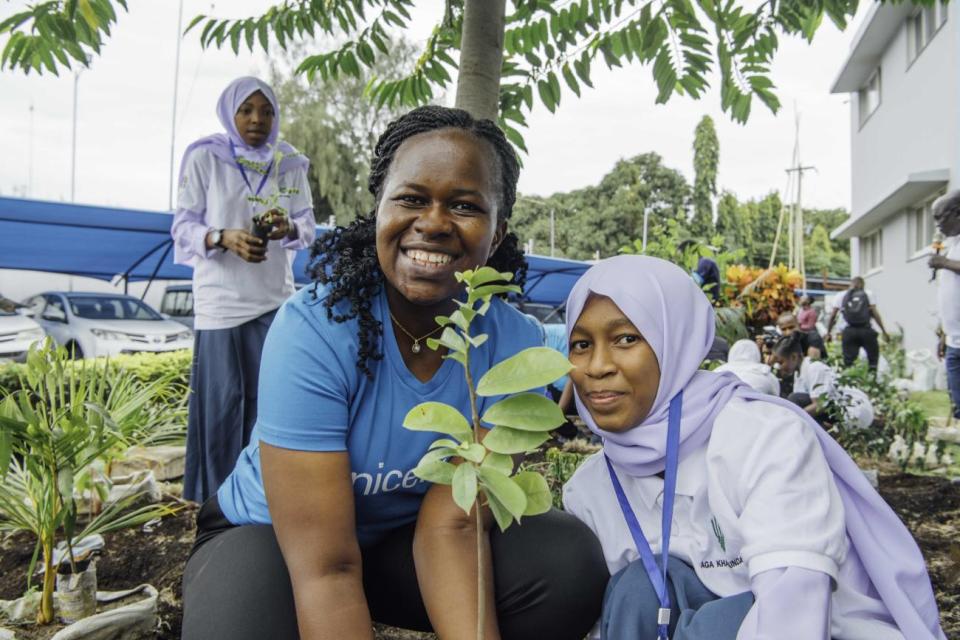
But its broader objective is to empower these girls as agents of change, including in the sphere of environmental and resource management.
“When girls are educated, healthy and confident, they become powerful leaders – not just in their homes but in shaping sustainable communities,” said Mariam Msuya, a community development expert based in Dodoma.
Pathways to environmental stewardship
Although the initiative primarily focuses on health and education, its community-based model of empowerment is expected to have strong spillover effects on environmental engagement.
By working with girls, parents, boys, and community leaders to shift harmful norms and promote inclusive access to services, the programme lays the groundwork for girls to actively participate in local development – including environmental conservation.
Education components will integrate non-formal learning opportunities, which may include topics on climate resilience, sustainable agriculture, clean water practices, and waste management – critical issues in the targeted rural regions.
“Adolescent girls, especially in outlying regions, are directly affected by environmental degradation – be it water scarcity or deforestation,” said Editha Lusajo, an education specialist.
To create a safe and enabling environment, the initiative also aims to: build the capacity of local service providers to deliver girl-centred health and social services; engage community gatekeepers, including religious and traditional leaders, to challenge harmful norms and foster inclusion and provide adolescent girls with formal and informal education access, enhancing long-term decision-making and livelihood potential.
It also targets to promote nutrition and HPV vaccination uptake, improving overall resilience and well-being.
By placing girls at the centre of development strategies, the programme aligns with Tanzania’s broader national goals on gender equality, community development, and environmental protection.
A scalable model for the future
The funders are calling on experienced organisations with a proven track record in cross-sectoral development – especially those working in adolescent health, education, and behaviour change communication – to apply with innovative, community-rooted proposals.
Organisations with experience partnering with UN agencies and operating in rural Tanzanian contexts will be prioritised. With Tanzania striving to meet both Sustainable Development Goals (SDGs) and national climate action targets, this initiative presents a timely opportunity to turn today’s excluded girls into tomorrow’s champions of resilience, equity, and sustainability.