
Four key ministries remain open as Zanzibar awaits ACT-Wazalendo’s decision on joining the Government of National Unity
By Business Insider Reporter
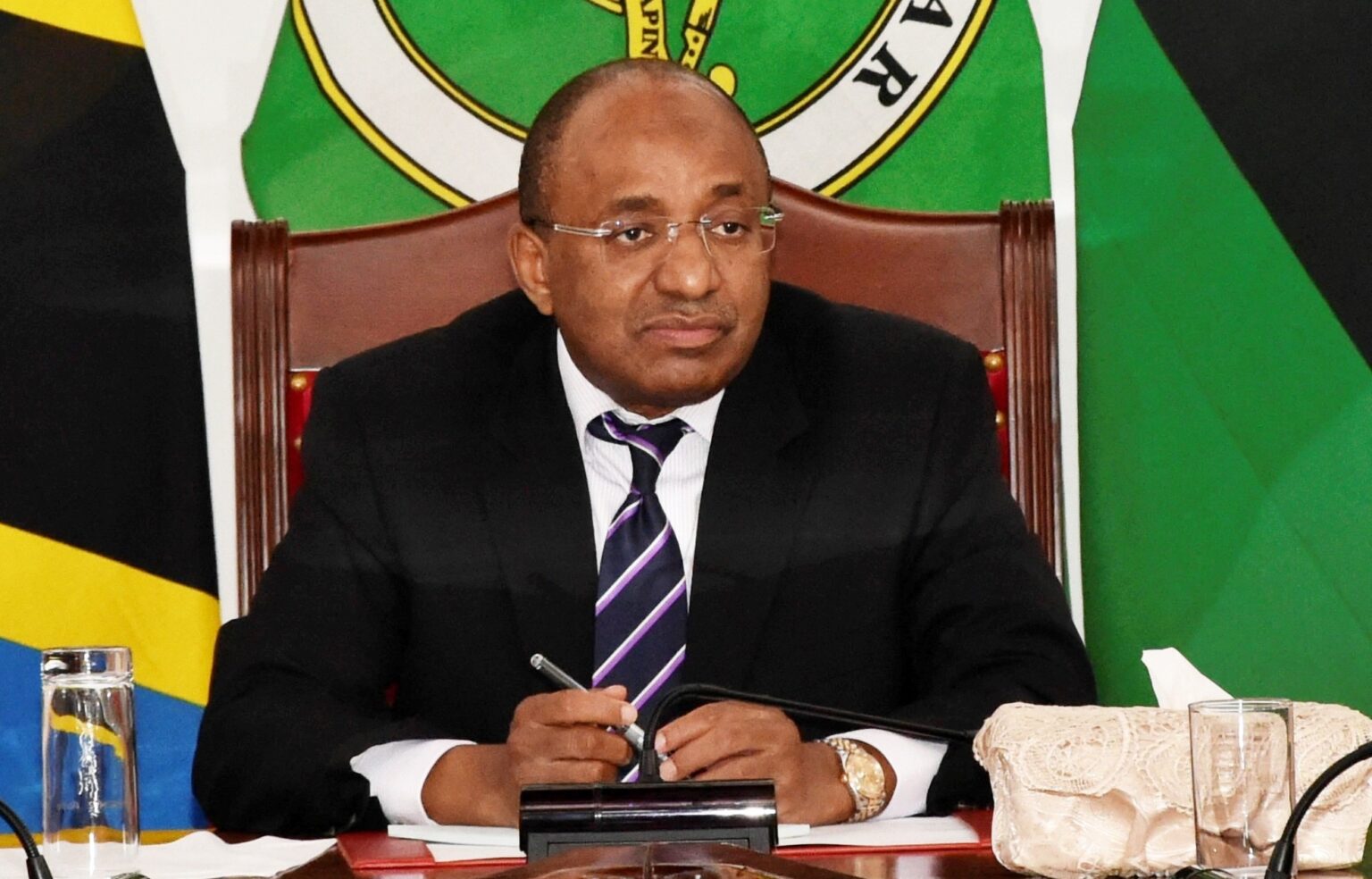
As President Hussein Ali Mwinyi embarks on his second term in office, his newly unveiled 20-member cabinet offers a clear glimpse of the direction his administration intends to take over the next five years: performance-driven governance, economic diversification, and digital transformation.
Speaking at State House in Zanzibar, Dr. Mwinyi emphasised that the restructured cabinet – expanded from 18 to 20 ministries – was designed to deliver results more efficiently and align with emerging national priorities, particularly youth employment, digital innovation, and the Blue Economy.
“The objective is simple: professionalism, accountability, and visible results for citizens,” he said, adding that ministers will now operate under a performance evaluation system that ties their tenure to measurable outcomes.
Balancing governance and political inclusion
In a strategic political move, President Mwinyi reserved four key ministries – the Office of the First Vice-President, Health, Trade and Industrial Development, and Tourism and Heritage – for the opposition party ACT-Wazalendo, pending its decision on whether to join the Government of National Unity (GNU) within the constitutionally mandated 90 days.
This arrangement, analysts say, underscores Mwinyi’s desire to maintain Zanzibar’s political stability while extending an olive branch to the opposition after a contentious electoral season. It also signals his intent to preserve the spirit of power-sharing that has been central to Zanzibar’s governance since the 2010 constitutional reforms.
What to expect from the new cabinet
1. Acceleration of the digital economy
With the creation of a new Ministry of Communication, Information Technology and Innovation, led by Mudrik Ramadhan Soraga, the administration is expected to prioritise digitalisation in public service delivery, e-government systems, and youth innovation. The move aligns with Zanzibar’s broader vision to become a regional hub for tech entrepreneurship and smart governance.
2. Focus on youth empowerment and employment
The appointment of Shaaban Ali Othman as Minister of Youth, Employment and Empowerment reflects Mwinyi’s push to address joblessness among the islands’ growing youth population. The ministry is expected to work closely with private sector players to promote skills development, access to finance, and entrepreneurship programmes.
3. Expanding the Blue Economy
A hallmark of Mwinyi’s first term, the Blue Economy and Fisheries Ministry under Masoud Ali Mohammed will continue to be a cornerstone of Zanzibar’s growth strategy. The government aims to expand investments in sustainable fishing, marine transport, and coastal tourism – sectors expected to generate thousands of jobs and boost export earnings.
4. Fiscal reform and infrastructure modernisation
Dr. Juma Malik Akil, the new Minister of Finance and Planning, inherits a critical role in balancing fiscal prudence with Zanzibar’s development ambitions. Meanwhile, Dr Khalid Salum Mohamed, now overseeing Infrastructure and Transport, will be central to implementing major road, port, and maritime projects to improve connectivity across the islands.
5. Accountability and performance culture
Dr. Mwinyi’s warning was explicit: ministers will be judged by their achievements, not their titles. He has promised regular reviews of ministerial performance, a shift that observers say could redefine Zanzibar’s executive culture and enhance service delivery.
The political calculus
By keeping four portfolios vacant, Dr. Mwinyi has effectively left the door open for ACT-Wazalendo to rejoin the GNU. Should the opposition decline, he will have room to consolidate his team without upsetting the delicate political balance.

“This is both a political and administrative statement,” noted political analyst Dr. Omar Kombo. “Mwinyi is signalling that governance will be rooted in results, not rhetoric – but also that inclusivity remains on the table.”
A forward-looking administration
Overall, the new cabinet reflects continuity with reform. It builds on Dr Mwinyi’s first-term successes – such as tourism recovery and blue economy development – while integrating new priorities like digitalisation, youth employment, and accountability. As Zanzibar positions itself within the broader East African economic landscape, the success of this cabinet will depend on how effectively it turns those priorities into tangible progress for ordinary Zanzibaris.