By Business Insider Reporter, Zanzibar
Deep within the turquoise embrace of the Indian Ocean, just off the coast of Zanzibar, lies a conservation triumph quietly unfolding on Mnemba Island.
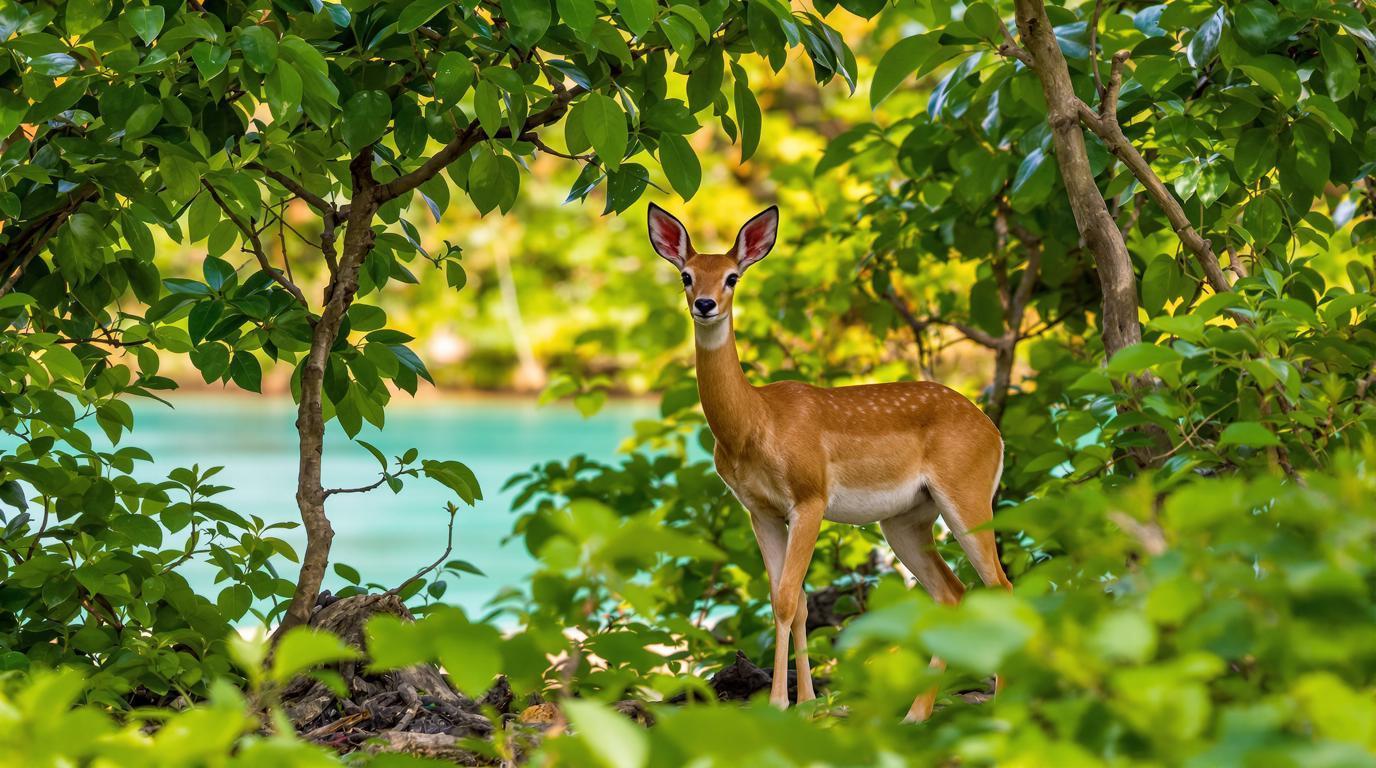
At just 12 hectares, this tiny private island sanctuary has emerged as one of Africa’s most extraordinary biodiversity success stories – home to the only free-roaming population of the critically endangered Aders’ duiker on a private island in the region.
What began as a bold conservation experiment in 2005 with the reintroduction of just five Aders’ duikers has since evolved into a thriving population of 35 individuals, making Mnemba a beacon of hope for a species whose remaining numbers in the wild are estimated to be as few as 300–600 across the Zanzibar archipelago.
“The size of the sanctuary is dwarfed by its impact,” says a conservationist working on the island. “Mnemba proves that meaningful results don’t require massive landscapes – just commitment, collaboration, and consistency.”
Safe haven against extinction
The success of the duiker population lies in Mnemba’s predator-free ecosystem and stringent conservation protocols.
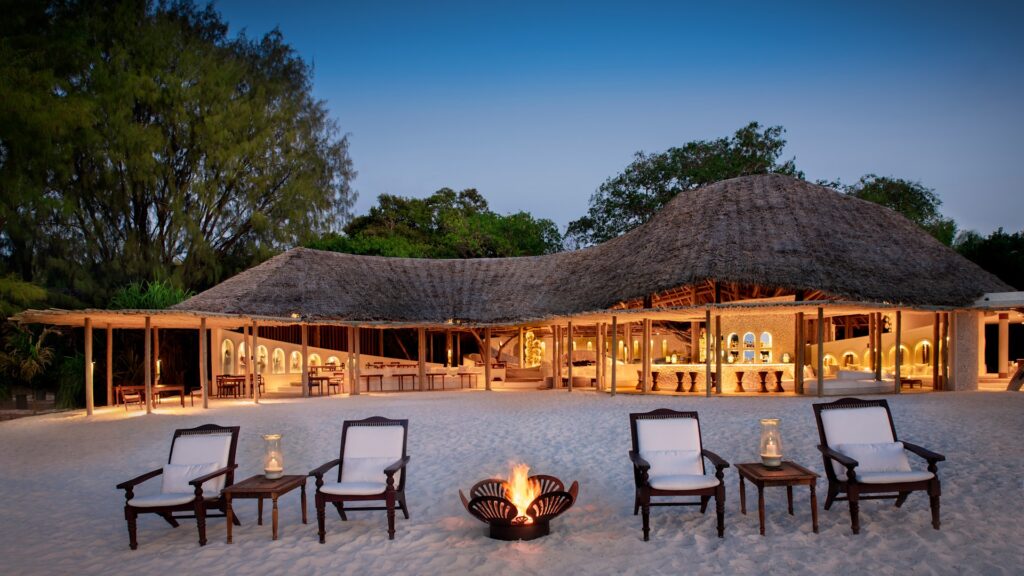
The island – managed by sustainable tourism operator &Beyond in collaboration with the Wildlife Conservation Society (WCS) – has prioritised habitat protection over commercial expansion, creating a rare sanctuary where luxury and wildlife coexist in harmony.
Unlike other tourist destinations, Mnemba restricts development, instead using its resources to fund scientific research and conservation.
Guests are not merely spectators; they are engaged in educational initiatives, joining researchers as they track collared duikers, observe feeding and behavioural patterns, and even witness the results of translocation – such as the establishment of a mainland colony in 2023.
Turtle nesting grounds
Mnemba’s commitment to conservation extends beyond forest dwellers.
Its western shoreline hosts 30 green turtle nests each year, each yielding approximately 87 hatchlings.
Unlike popular beach resorts that often commercialise turtle nesting as an attraction, Mnemba’s private, undisturbed beaches ensure zero human interference during the critical February–September nesting season.
This uninterrupted environment has led to remarkably stable hatchling success rates, safeguarded by research teams and long-term monitoring programmes.
Redefining conservation luxury
While many tropical islands market wildlife as entertainment, Mnemba has redefined eco-luxury by placing purpose at the centre of the guest experience.
Visitors to the island are invited to participate in real-time conservation efforts – from turtle tracking to duiker monitoring – offering immersive, ethical alternatives to passive tourism.
The island’s model has become a case study in how high-end tourism can directly support biodiversity conservation.
By choosing exclusivity over mass tourism, Mnemba generates sufficient revenue to fund research, conservation staff, and habitat management, all while offering a unique, nature-based guest experience.
“This is luxury with a conscience,” says an &Beyond representative. “Our goal is not only to preserve this ecosystem but to inspire guests to become lifelong advocates for conservation.”
Blueprint for private sector conservation
Mnemba Island’s conservation success stands as a powerful example of how private sector investment, when aligned with science and sustainability, can reverse species decline and protect critical ecosystems.
It is a model that could guide future conservation tourism projects across Africa and beyond. In a region where fragile ecosystems are often threatened by development, Mnemba offers an alternative vision – one in which a tiny island can become a global sanctuary for endangered species, and where luxury tourism funds the preservation of nature, not its exploitation.