By Business Insider Reporter
Mikumi National Park is stepping up efforts to protect its wildlife by installing surveillance cameras at key highway entry points, following a surge in animal fatalities caused by speeding vehicles.
Announcing the initiative on June 28, Mikumi Chief Park Warden, Commissioner Augustine Masesa, said the cameras will be set up at the Doma Village gate and Mikumi Town entrance – two critical access points along the 50-kilometre stretch of the Dar es Salaam–Iringa highway that runs through the park.
The road has become a notorious blackspot for wildlife-vehicle collisions.
“Every year, we lose an average of 400 wild animals to reckless driving,” Masesa revealed. “This project aims to hold drivers accountable and protect our wildlife.”
The camera system is part of a TSh2 billion conservation strategy developed with support from the United Nations Development Programme (UNDP).
A feasibility study is complete, and implementation will begin once funding is secured.
Masesa said the situation is dire, with nearly one animal killed daily. Speeding, reckless driving, and roadside littering – which attracts animals like monkeys – are the main causes.
To combat the crisis, park authorities have ramped up patrols and enforcement.
Offending drivers face hefty fines based on the species involved. In some cases, vehicles have been impounded for non-payment.
“Killing a giraffe, for instance, can lead to a fine of up to US$20,000 (about TSh 50 million),” he said. “Drivers need to ask themselves – is it worth it? Just follow the rules through the park.”
Park Ecologist, Peter Jacob, shared data from ongoing wildlife monitoring. He confirmed the annual average of animal deaths and noted seasonal spikes.
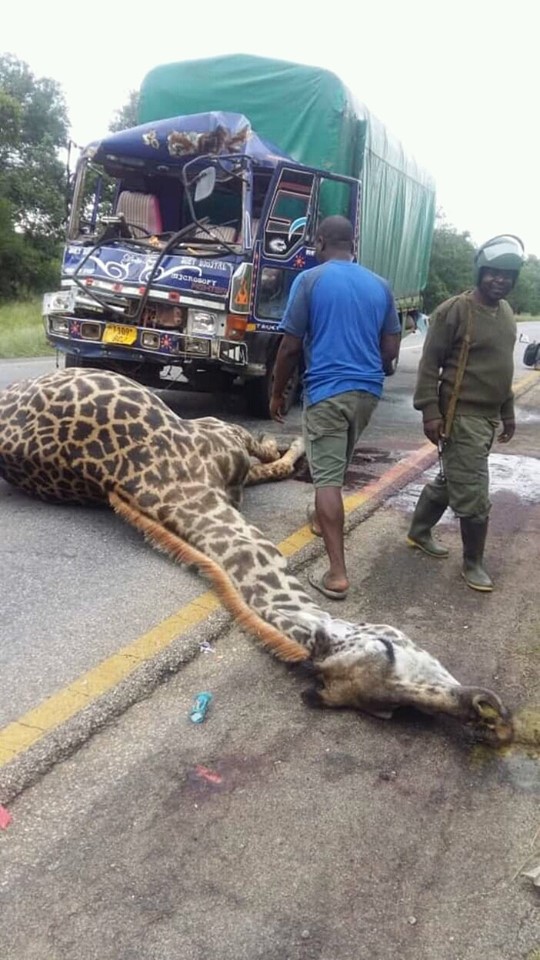
“Fatalities peak during the dry season – up to 20 animals per month – as wildlife crosses the highway in search of water,” Jacob explained. “During the rainy season, it drops to between 7 and 15.”
The 2021/2022 season was the worst on record, with 482 wildlife deaths along the corridor.
Masesa also praised the government’s reform allowing national parks to retain 51% of their revenue, enabling reinvestment in conservation.
“We commend President Samia Suluhu Hassan for this progressive policy,” he said. “It strengthens TANAPA’s capacity and reduces reliance on central government funding.” The surveillance project is expected to serve as a model for other parks facing similar threats. Authorities are optimistic that it will significantly reduce wildlife mortality and help preserve Tanzania’s biodiversity for future generations.