By Correspondent John Mapepele
Tanzania could eliminate outbound medical travel for cancer treatment within three years, following major public investment in modern oncology infrastructure, Health Minister Mohamed Mchengerwa has said.
Speaking in Dar es Salaam while inaugurating the new Board of the Ocean Road Cancer Institute (ORCI), Minister Mchengerwa directed the board to develop and implement a clear strategy that ensures no Tanzanian is forced to seek cancer treatment abroad by 2029.
He said the target is achievable given the scale of investment made by the sixth Phase Government under President Samia Suluhu Hassan.
“Tanzania has invested heavily in modern cancer treatment equipment and infrastructure. Within three years, there should be no justification for Tanzanians travelling abroad for cancer care,” Mchengerwa said.
A multi-billion shilling investment drive
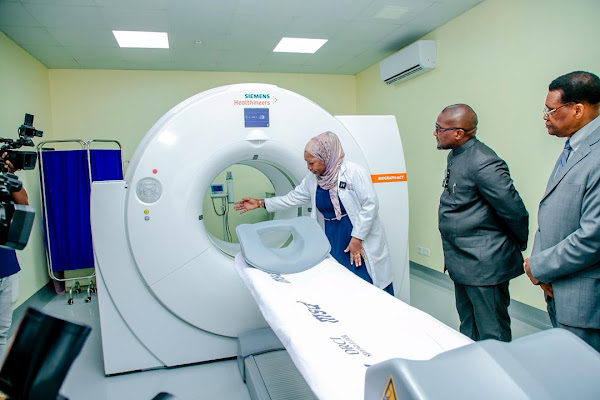
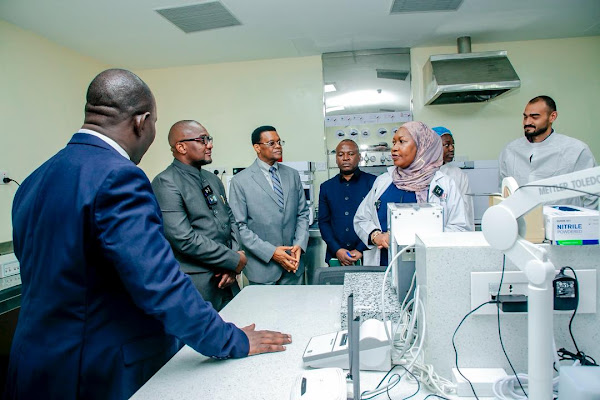
Before inaugurating the board, the minister toured several flagship projects at ORCI, including the procurement and installation of three advanced radiotherapy machines – Linear Accelerators (LINAC) and Cobalt units – alongside high-end diagnostic technologies such as PET-CT scanners.
The institute is also establishing a cyclotron facility, which will allow Tanzania to locally produce nuclear medicine used in cancer diagnosis and treatment, significantly reducing dependence on imported radio-pharmaceuticals. In addition, ORCI is constructing a new international services building, aimed at improving patient experience and positioning Tanzania as a regional hub for oncology services.
Health sector analysts say these investments could save the country millions of dollars annually that are currently lost through medical tourism, while strengthening domestic health value chains and skills development.
Reducing waiting times, expanding capacity
The ORCI Chief Executive, Dr. Diwani Msemo, said once installation of the new radiotherapy machines is completed, the institute will dramatically cut patient waiting times.
“At the moment, patients can wait up to 20 weeks to access radiotherapy using the two machines currently in operation. With the new machines fully functional, that waiting period will be reduced to just two weeks,” he said.
Dr. Msemo added that ORCI’s daily treatment capacity will increase from around 200 patients to more than 400, placing Tanzania among a small group of African countries with advanced radiotherapy capacity. The expansion, he said, is already prompting ORCI to explore medical tourism opportunities, targeting patients from neighbouring countries.
Patients feel the impact
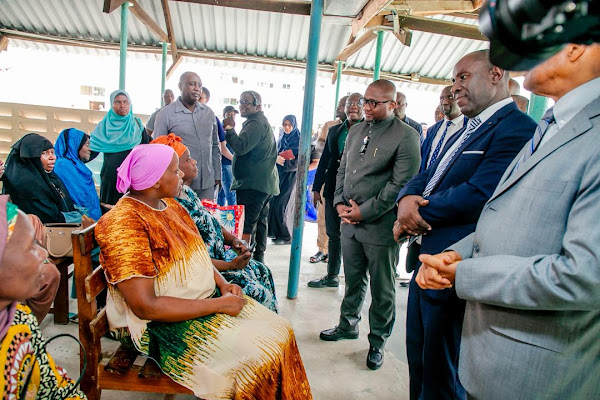
During the visit, the minister interacted with patients receiving treatment. Speaking on behalf of fellow patients, Justina Allen thanked President Samia for expanding access to radiotherapy services.
“We are grateful to President Samia for improving cancer treatment services in such a short time. For poor patients like us, treatment is now available free of charge after following the proper procedures. Under normal circumstances, we would never afford these costs,” she said.
Beyond machines: redesigning cancer care
Minister Mchengerwa stressed that true transformation in cancer care goes beyond buildings and equipment. He urged ORCI to focus on service delivery design and the entire patient journey – from first contact to completion of treatment.
“Sustainable reform begins with how services are designed and delivered. ORCI must reduce waiting times, simplify procedures and restore dignity to the patient,” he said.
He challenged the board to abandon outdated practices and position ORCI as Africa’s benchmark institution for cancer care innovation.
“ORCI cannot be an ordinary institution. ORCI must become Africa’s authority on cancer,” Mchengerwa said.
Digital systems and governance reforms
The minister also called for stronger use of technology, including Electronic Medical Records (EMRs) and digital scheduling systems, to reduce bureaucracy, delays and unnecessary costs for patients and families.
On governance, he directed the board to strengthen oversight through specialised committees, while respecting the principle of “eyes on, hands off” – providing strategic supervision without interfering in management’s day-to-day operations.
International standards and research ambition
As part of broader health sector reforms, Mchengerwa revealed that the government has instructed all major and referral hospitals to pursue international accreditation, including ISO certification and other globally recognised standards.
He further urged ORCI to balance clinical service delivery with research and innovation, calling for a clear national and continental cancer research strategy.

“The institute must generate research grounded in real patient care and publish findings that improve treatment guidelines and clinical standards,” he said.
Mchengerwa tasked the board with developing a measurable and implementable roadmap to position ORCI as a leading cancer research institution in Africa during its current tenure.
Economic and regional implications
Health economists note that reducing outbound cancer treatment could ease pressure on foreign exchange reserves, strengthen confidence in public healthcare, and create new opportunities in health tourism, pharmaceuticals and medical training. If the three-year target is met, Tanzania would join a small group of African countries capable of delivering comprehensive, advanced cancer care domestically, marking a significant shift in both health outcomes and economic resilience.