By Business Insider Reporter
Flight cancellations and airspace closures caused by the escalating conflict between Israel and Iran have triggered widespread disruption in global aviation – with East Africa among the hardest hit regions.
As Middle East air corridors shrink, major airlines are being forced to reroute or cancel flights altogether, impacting key connections between East African cities and the rest of the world.
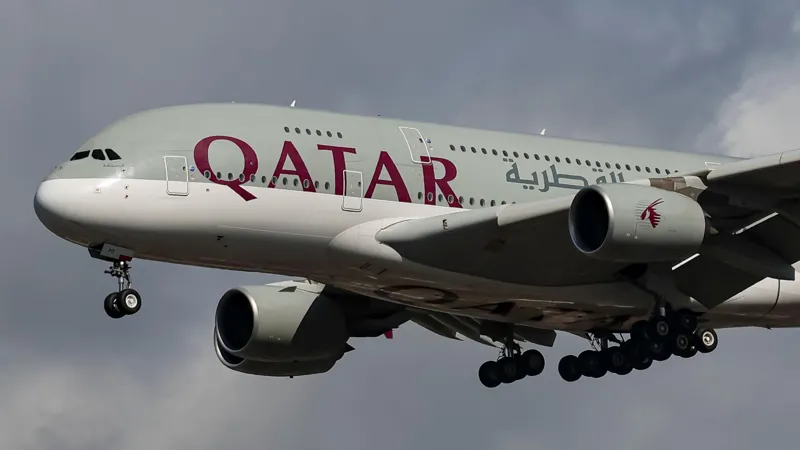
Qatar’s Hamad International Airport and Dubai, International Airport – two of the region’s most important aviation hubs – temporarily suspended operations earlier this week, sending shockwaves across interconnected air travel networks.
These airports serve as vital stopovers for passengers travelling from East Africa to destinations in Europe, North America, and Asia.
Stranded passengers and delayed cargo
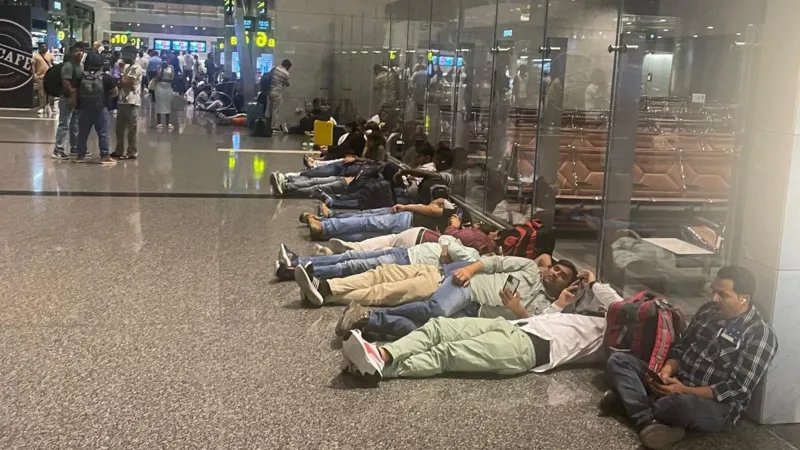
The ripple effects are being felt at airports in Nairobi, Addis Ababa, Kigali, Dar es Salaam, and Entebbe, where travellers have been left stranded due to delayed or cancelled connections through the Gulf.
Passengers flying with airlines such as Qatar Airways, Emirates, and Ethiopian Airlines have experienced unexpected layovers, with many stuck in transit at Doha or Dubai.
Others have had their travel plans postponed indefinitely as airlines scrambled to rework routes and schedules.
“It’s frustrating,” said Rose Mwende, a Kenyan business traveller en route to London via Doha. “My meeting has already been rescheduled twice because of these delays. We didn’t expect geopolitics to affect us this quickly.”
Trade disruption and rising costs
Beyond tourism and business travel, the disruption is threatening East Africa’s trade supply chains.
The Gulf is a key logistics bridge for East Africa’s airfreight exports – particularly perishable goods such as flowers, fruits, vegetables, and seafood bound for Europe, as well as electronics and pharmaceuticals heading into the region.
With flights rerouted over longer paths, freight costs are expected to rise significantly. “Cargo destined for Europe and Asia now takes longer routes, burning more fuel and increasing shipping times,” noted aviation analyst based in dar es Salaam. “These costs will eventually be passed on to consumers.”
Ethiopian Airlines and Kenya Airways – two of Africa’s largest carriers – are facing mounting pressure to adjust schedules and ensure crew compliance with rest regulations, while maintaining safety standards.
Since the flare-up began, commercial aircraft have largely avoided flying over Iran, Iraq, Lebanon, Syria, and Jordan – narrowing a vital air corridor between Asia and Europe. This has forced airlines to redirect traffic either north over Turkey or south over Saudi Arabia, leading to increased congestion and further delays.
This bottleneck is particularly damaging to East African aviation, which relies heavily on Gulf-based airlines and airspace for intercontinental access.
According to aviation data, approximately 1,400 flights normally pass through this now-congested corridor daily. With East Africa positioned at the crossroads of Asia-Europe trade flows, any blockage in the Middle East reverberates quickly across the region.
Safety and security concerns grow
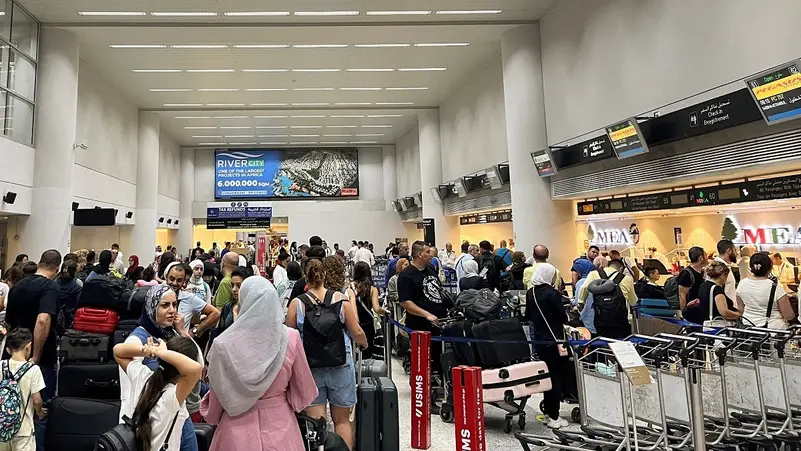
The Israel-Iran tension reached a peak on Monday when Iran fired missiles at a US military base in Qatar, triggering a temporary closure of Qatari airspace and causing panic among passengers.
Though normal operations have resumed, aviation authorities remain on high alert.
“The airspace risks are real. Governments are issuing travel advisories, and insurance costs for flights through the region are rising,” said aviation security expert. “Airlines will be extremely cautious in the days ahead, potentially leading to more cancellations.”
There is historical precedent for such concerns. Since 2001, six commercial aircraft have been accidentally shot down in conflict zones, with several near-miss incidents. The most devastating was the 2014 downing of Malaysia Airlines Flight 17 over eastern Ukraine, killing all 298 passengers.
Regional connectivity
The current crisis exposes East Africa’s overdependence on Middle Eastern transit hubs for international travel. Industry leaders and regional governments are now calling for accelerated investment in direct intercontinental routes and local airport infrastructure.
“There’s a clear need to reduce reliance on Gulf layovers,” said an economist at the East African Business Council. “We must expand our own long-haul capabilities to buffer against geopolitical shocks.”
As the region assesses the fallout, experts warn that recovery will be gradual and closely tied to the pace of de-escalation in the Middle East. For now, passengers and cargo handlers in East Africa are bracing for continued delays and higher costs, even as diplomatic efforts continue to seek a ceasefire between the warring parties.