By Business Insider Reporter
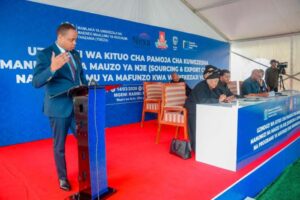
When the Minister for Industry and Trade, Dr. Selemani Jafo, walked into the Johari Rotana Hotel in Dar es Salaam this May, the ballroom was buzzing with young artists, researchers and entrepreneurs.
They had gathered for World Intellectual Property Day 2025 – a celebration that, for many, was more than just speeches and awards.
For them, it was about securing a future where their ideas, talents and innovations would finally pay off.
“Registering your innovation ensures that you and your heirs benefit from it, even posthumously,” Dr. Jafo told the audience.
His words landed with weight. Too many Tanzanian creators have seen their music pirated, their inventions copied, or their brands stolen.
BRELA, the agency he was there to support, wants to change that story.
From ideas to assets
Intellectual Property (IP) is often seen as an abstract concept, but for innovators, it’s the bridge between a bright idea and financial independence.
BRELA is determined to make that bridge stronger.
The agency has launched an extensive public education drive, targeting universities, vocational centres, and research institutions.
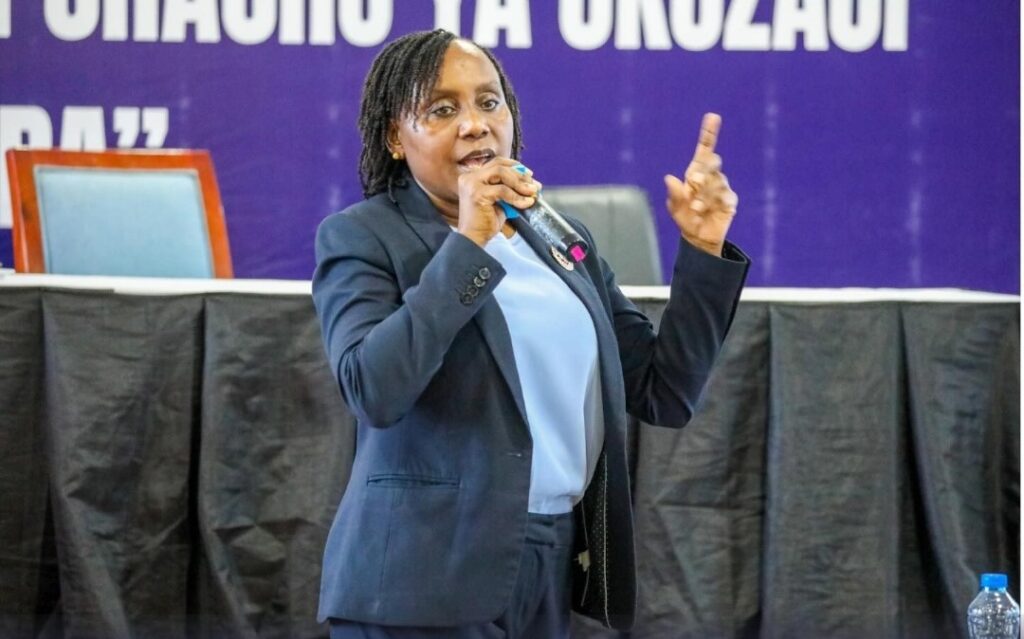
Loy Mhando, BRELA’s Director of Intellectual Property, has been leading seminars across campuses.
“Many innovations developed in universities stem from student and faculty research,” she said at the Muslim University of Morogoro. “But without protection, these ideas risk being lost – or worse, stolen. Registration ensures innovators can benefit and reinvest in their work.”
Students at places like Mzumbe University, SUA, TaSUBa, VETA, SIDO, and innovation hubs in Ifakara are now being equipped with knowledge on how patents and trademarks can be the first step toward commercial success.
The human stakes
For entrepreneurs like Fatma, a fashion designer in Dar es Salaam (not her real name), registering a trademark was a turning point.
She recalls watching copies of her designs flood the Kariakoo market within weeks of launching her brand.
“I felt powerless,” she says. “All my work, my creativity – taken by others. But after registering my brand, I had the confidence to fight back. Now, people respect my label.”
Stories like Fatma’s are why BRELA insists IP is not just about law; it’s about dignity, fairness, and opportunity.
Factories, jobs, and a vision for 2030
Dr. Jafo reminded the audience of the bigger picture: Tanzania’s plan to build 9,048 factories by 2031, a strategy expected to employ over 6.5 million youth.
For these industries to thrive, they will need innovation – and that innovation must be protected.
Without strong IP laws, innovators in the country risk losing out to imitators, both locally and abroad. With protection, however, they can create jobs, attract investment, and compete globally.
Media as ambassadors of innovation
At a recent BRELA workshop, Deodatus Balile, Chairperson of the Tanzania Editors’ Forum (TEF), challenged journalists to take on a new role: ambassadors of IP awareness.
“Media has the power to reach every corner of this country. If we explain IP in simple terms, people will see its value – and start protecting what is theirs,” saidf Mr. Balile.
This media partnership is already shifting public perception. Instead of viewing IP as a bureaucratic formality, more Tanzanians are beginning to see it as a tool for empowerment.
Women and youth at the centre
Former Industry Minister, Dr. Ashatu Kijaji, has been a strong voice in urging women entrepreneurs to protect their businesses.
Women-led enterprises are often the first targets of copycats in local markets, where brand names and packaging are easy to imitate.
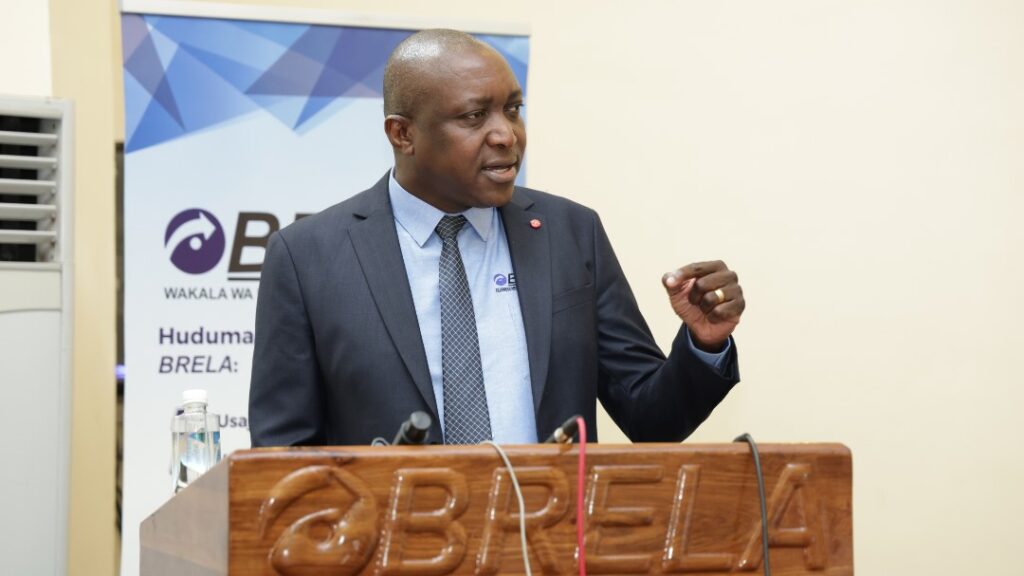
BRELA CEO, Godfrey Nyaisa agrees: “IP is not just a legal certificate – it’s an economic passport. It gives you exclusive rights, prevents unauthorised use, and even helps you secure loans from banks.”
He highlights how more women-led businesses are now using trademarks to build brand loyalty and command higher prices.
For young entrepreneurs and artists, this means IP is becoming a real pathway to financial independence.
A global dimension
Tanzania is not alone in this journey. Through collaboration with the World Intellectual Property Organization (WIPO), BRELA is helping shape international treaties, including a proposed Treaty on Industrial Designs.
If adopted, the treaty will allow Tanzanian innovators to protect packaging, apparel, and designs across multiple countries with a single WIPO application. “This will reduce costs and make Tanzanian products more competitive globally,” says Nyaisa.
A new national policy
Deputy Minister for Culture, Arts, and Sports, Hamisi Mwinjuma (Mwana FA), offered a glimpse of the future: a National Intellectual Property Policy now in its final stages.
“The nation’s development depends on innovation. IP will boost individual incomes and fuel national economic growth,” he said.
The policy is expected to make it easier for innovators to access finance, tap into larger markets, and ensure their work is not exploited without reward.
Way forward
From lecture halls to recording studios, and from small workshops to international trade fairs, BRELA’s message is consistent: protect your ideas, because they matter.
As Tanzania pushes towards an industrialised economy, intellectual property is no longer a niche concern of lawyers and academics – it is becoming a driver of jobs, wealth, and national pride.
“IP is about giving innovators the confidence to dream bigger,” Nyaisa says. “When we protect creativity, we protect our future.”
And for Fatma, the young designer whose brand now stands strong, that future is already taking shape – one protected idea at a time.
Tanzania at 66th WIPO
Tanzania took part in the 66th General Assembly of the Member States of the World Intellectual Property Organization (WIPO), being held in Geneva, Switzerland, from 8 to 17 July 2025.
The Tanzanian delegation was led by BRELA CEO Mr. Nyaisa and included Dr. Abdallah Possi, Tanzania Permanent Representative to the United Nations Agencies in Geneva; Ms Khadija Ngasongwa, Acting Director General of the Fair Competition Commission; and Ms Loy Mhando, Director of Intellectual Property at BRELA. At the meeting, Tanzania is advanced the agenda of inclusive innovation, with a particular focus on empowering youth, women, and persons with special needs to benefit from their creative works.