
By Business Insider Reporter, Mwanza
Tanzania’s ambition to shift millions of households from smoky kitchens to clean, modern cooking solutions has taken a human-centred leap forward, as officials unveiled a national communication strategy designed to guide the country’s transition to safe and sustainable cooking energy by 2034.
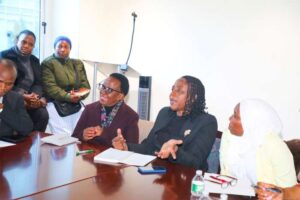
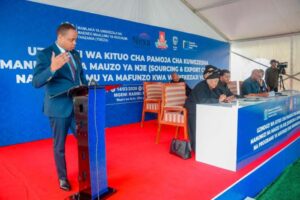
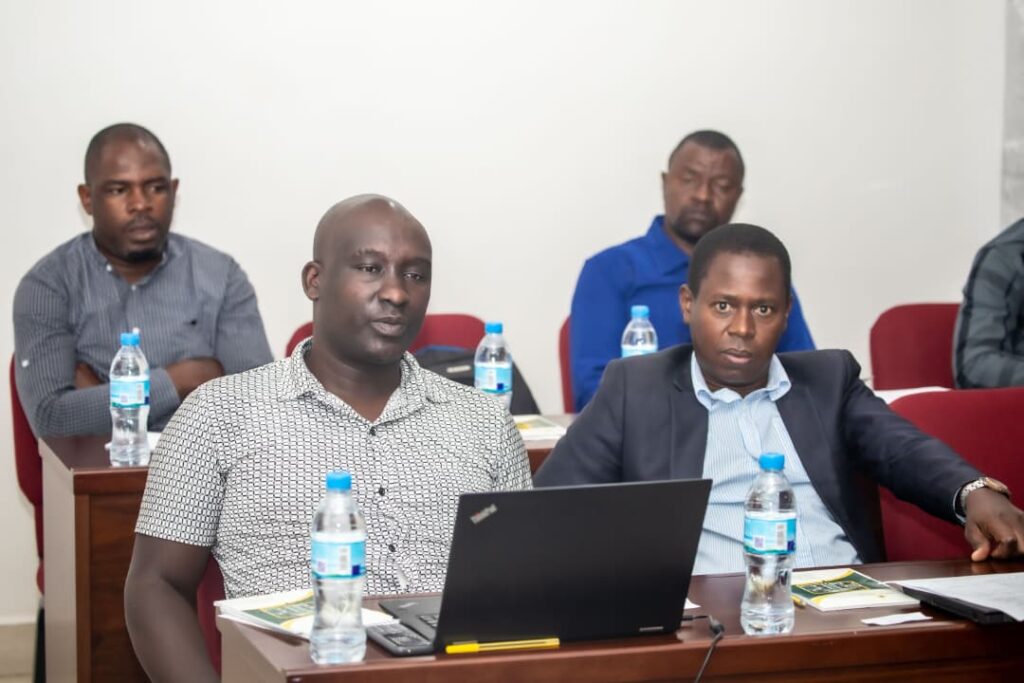
At a lakeside training session in Mwanza on November 14, 2025, engineers, district officers and community coordinators gathered for what many described as a turning point: a shared roadmap on how to communicate, teach and inspire the move toward clean cooking.
For Eng. Banezeth Kabunduguru, who represented the Director of Clean Cooking Energy at the Ministry of Energy at the training, the strategy is far more than a technical document – it is “a national compass” for saving forests, protecting public health, easing household burdens and lifting living standards.
“This strategy is about people – their health, their environment, and their future,” he told participants as he closed the Lake Zone training. “Using this roadmap, we expect to significantly expand public awareness and reduce reliance on polluting fuels like firewood and charcoal. This is a strategy of transformation – and you, the desk officers, are the drivers of that change.”
A national blueprint for behaviour change
The Communication Strategy for Clean Cooking lays out how government, local authorities, private companies, civil society and community leaders should coordinate their public-education efforts.
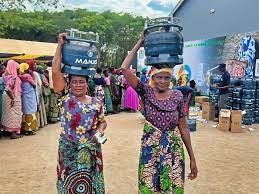
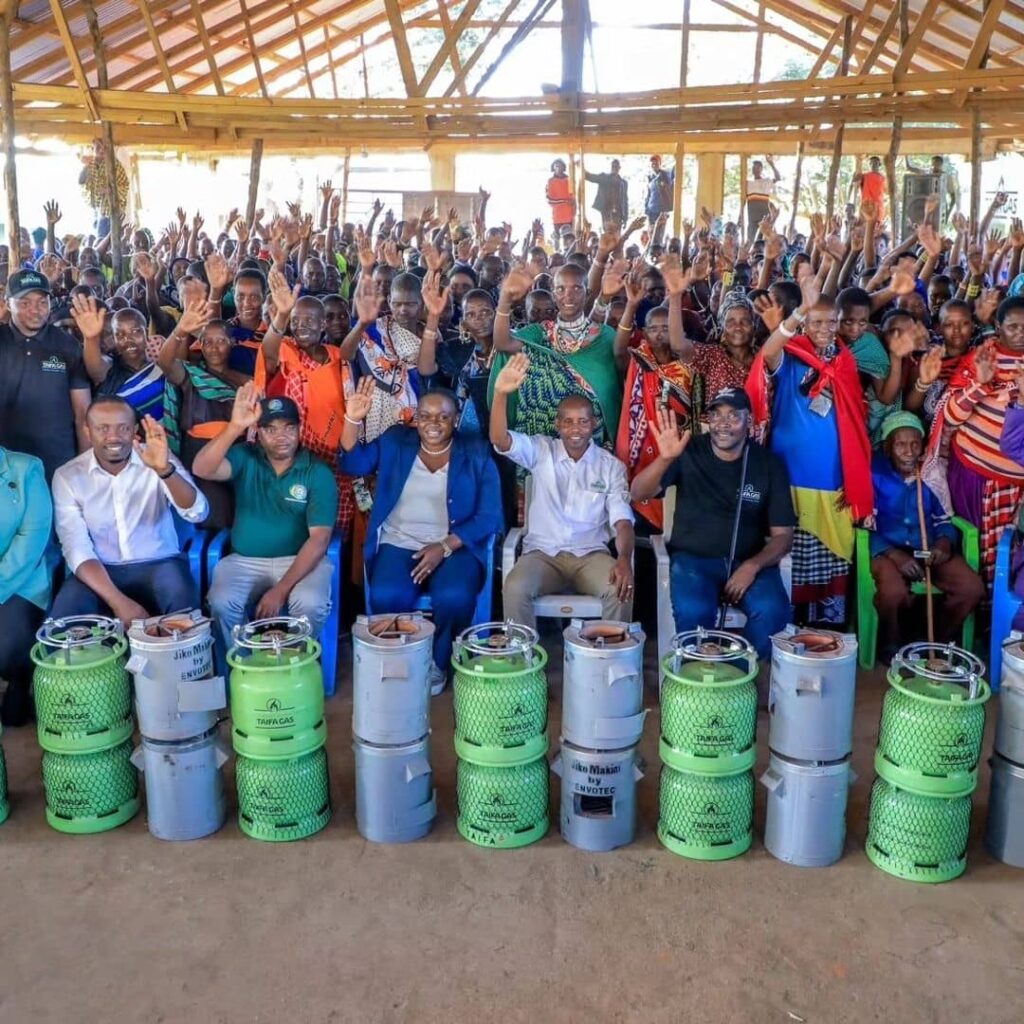
The goal is clear: by 2034, at least 80 percent of Tanzanian households should be using clean cooking energy such as LPG, electricity, biogas or improved cookstoves.
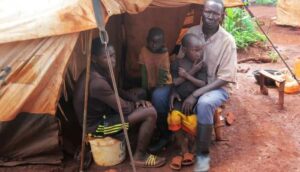
But behind the statistics are human stories – women spending hours collecting firewood; children exposed to indoor smoke that harms their lungs; forests shrinking under pressure; and families struggling with rising charcoal prices.
Eng. Kabunduguru emphasised that communication will be key:
“We must reach citizens in ways they understand, in languages they speak, and through platforms they trust.”
He noted that successful adoption of clean cooking is not only an environmental priority but also a national development agenda, touching on health, productivity, gender equality and climate commitments.
Voices from the field
For the desk officers – the frontline implementers – the training offered clarity and renewed motivation.
Dotto Masanja from Karagwe said the strategy “gives us one direction and one voice,” helping officers avoid mixed messaging and work more effectively with village leaders and local institutions.
Christopher Kyamalesi from Shinyanga agreed, adding that communities have long needed consistent education about the dangers of traditional cooking and the benefits of modern alternatives.
“With this strategy, we can confidently mobilise households to shift away from charcoal and firewood,” he said. “It is not just about cooking – it is about dignity, health and better futures.”
More than a ministry agenda
Representing the Mwanza Regional Administrative Secretary, Aron Kalondwa reminded officers that clean cooking is a national development priority – not a task for the Ministry of Energy alone.
“Clean cooking is a national agenda,” he said. “The knowledge you have gained has the power to transform lives and reduce the environmental and health burdens our people face.”
Kalondwa urged officers to take their role seriously, emphasising creativity and community engagement as essential tools for making the transition real at household level.
Institutions step in
The training also showcased how key agencies under the Ministry of Energy are implementing the national clean-cooking strategy.
Tanesco explained its ongoing expansion of reliable electricity access to support electric cooking.
TPDC highlighted new LPG supply programmes and distribution models designed to lower costs for rural and low-income households.
REA detailed funding windows and rural-energy projects that help communities adopt improved stoves, biogas systems and alternative fuels.
Officials from the Vice President’s Office (Union and Environment) and the Prime Minister’s Office also made presentations linking clean cooking to national climate commitments, environmental protection and disaster-risk reduction.
Seven regions, one vision
The Mwanza training brought together officers from Mwanza, Geita, Kigoma, Kagera, Shinyanga, Mara and Simiyu – all part of a nationwide effort to fast-track public education on clean cooking.
The Ministry will replicate these sessions across all 26 regions to ensure no community is left behind.
As Kabunduguru reminded the officers: “This strategy belongs to every Tanzanian – and its success will be measured in healthier homes, greener landscapes and empowered communities.” With the government, institutions and frontline officers now aligned under one message, Tanzania’s clean-cooking journey is shifting from policy to people – and from aspiration to action.