By Business Insider Reporter
One of the most instructive lessons from the COMESA Investment Report 2025 for Tanzania lies not in headline FDI figures, but in where the money is going – and why.
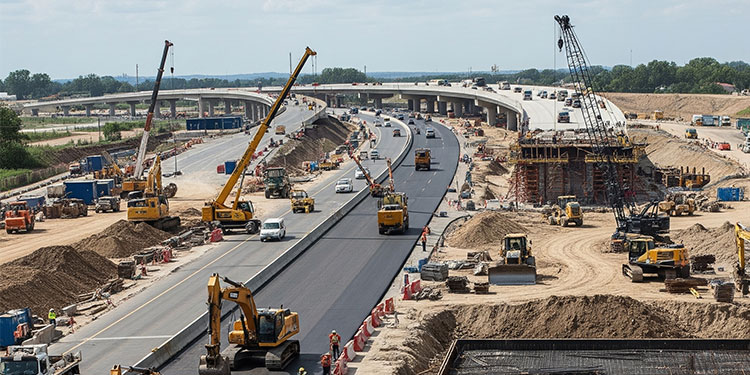
Infrastructure and energy now dominate investment flows in COMESA, with renewable energy projects alone accounting for more than half of new capital commitments in 2024.
This trend closely mirrors Tanzania’s development priorities, economists argue. Over the past decade, the government has channelled billions of shillings into power generation, transport infrastructure and industrial development. Yet COMESA’s experience shows that investment success depends less on the size of spending and more on how projects are structured, integrated and financed.
COMESA economies have increasingly embraced regional project finance models, blending private capital with development finance to de-risk large infrastructure investments. Kenya’s renewable energy sector, Zambia’s transmission upgrades and Egypt’s power projects have all benefited from such structures. Investors are attracted by predictable returns, regional offtake arrangements and harmonised regulatory frameworks.
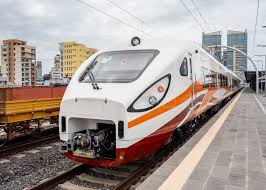
Tanzania’s infrastructure investments, while transformative domestically, remain largely national in design. The report highlights that regional power pooling and cross-border infrastructure planning significantly improve project bankability – an area where Tanzania still has room to improve, particularly within the Eastern Africa Power Pool.
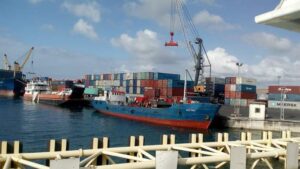
Special Economic Zones (SEZs) offer another instructive comparison. COMESA countries have announced more than $118 billion worth of SEZ-related investments over the past decade, often linked directly to ports, railways and energy infrastructure. These zones are not isolated enclaves; they are embedded within regional logistics networks.
Tanzania has made notable progress with industrial parks and SEZs in Bagamoyo, Mtwara and Kigamboni. However, investors increasingly seek zones that offer seamless access to regional markets, not just national incentives. COMESA’s approach shows that SEZs succeed when they are integrated into regional value chains, supported by efficient customs, digital trade facilitation and reliable power.
Energy transition financing is another critical lesson. As global capital pivots towards climate-aligned investments, COMESA economies are positioning renewable energy as a gateway sector. Tanzania, with its hydropower, solar and wind potential, is well placed to follow this path – but only if regulatory clarity and private sector participation are strengthened.
For Tanzania’s policymakers, the message is clear: infrastructure is no longer just a public investment issue. It is a regional investment product competing for global capital. COMESA’s success demonstrates that alignment, coordination and reform – not just spending – determine outcomes. As Tanzania pursues its Dira 2050 ambitions, learning from COMESA’s investment playbook could mean the difference between being a regional leader and a peripheral player in Africa’s next investment cycle.