By Business Insider Reporter
A new global treaty to tackle plastic pollution – dubbed the “Paris Agreement for plastic” – could give Tanzania a powerful boost in its ongoing efforts to curb plastic waste, if negotiators in Geneva can reach a meaningful agreement.
Tanzania has already taken bold steps to reduce plastic use, including a nationwide ban on single-use plastic bags in 2019 and heightened enforcement against illegal imports. However, experts say that without coordinated global action to cut production and improve waste management, national measures will continue to be undermined by the relentless growth of plastic use worldwide.
“Tanzania has shown leadership on plastic bags, but our rivers, coasts, and even soils still receive plastics from products we import,” said an environmental policy analyst in Dar es Salaam. “A global treaty with production caps and design standards would address the problem at its source.”
From local bans to global standards
The draft treaty being discussed in Geneva contains provisions that could directly align with Tanzania’s policies, including: cutting global plastic production (Article 6) – reducing the flow of plastics into East African markets; banning hazardous plastic products and chemicals (Article 3) – lowering health risks from imported goods and protecting human health (Article 19) – an area where Tanzania’s Ministry of Health has already raised concerns about microplastic impacts on fisheries and food security.
Such measures could help Tanzania’s cleanup campaigns by slowing the influx of problematic plastics and making it easier to recycle materials already in circulation.
Boosting waste management capacity
The Lancet medical journal’s recent findings – that plastics can harm human health “from womb to grave” – underscore the urgency of better waste management.
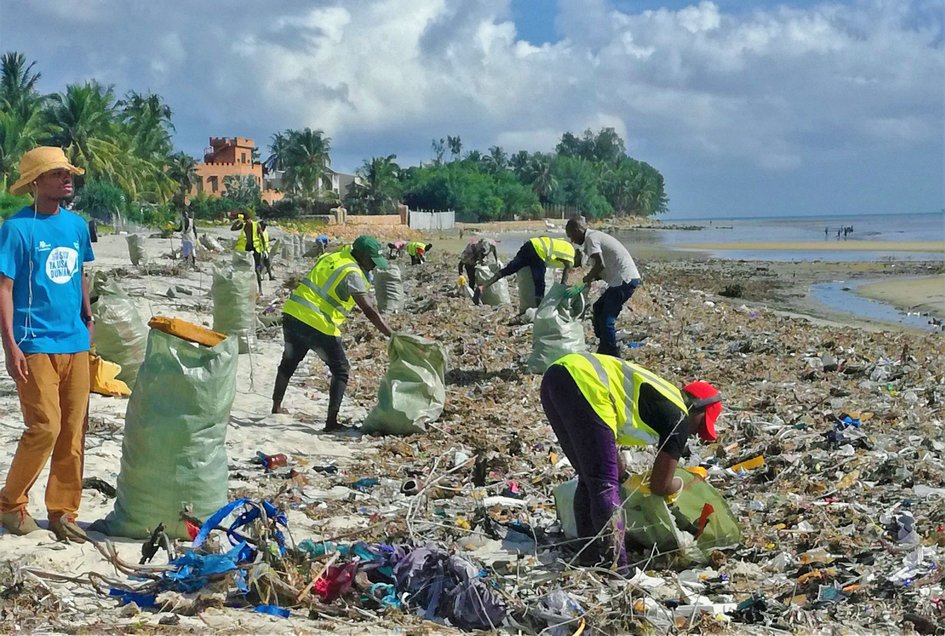
In Dar es Salaam alone, more than 1,200 tonnes of waste are generated daily, with plastic comprising a significant portion.
Much of this ends up clogging drainage systems or washing into the Indian Ocean.
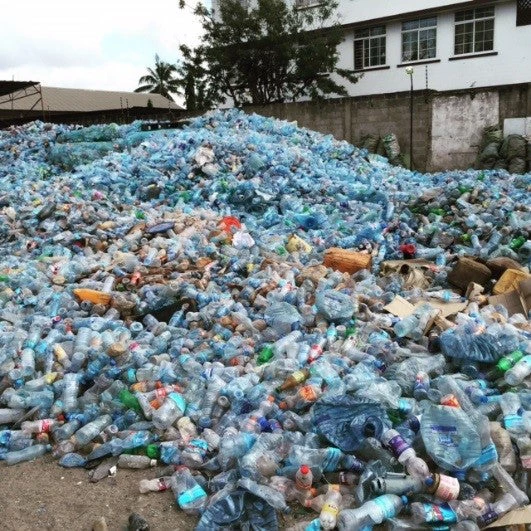
If the treaty includes requirements for simplifying plastic types and expanding reuse/refill systems, Tanzania’s recycling sector could operate more efficiently.
“One of the biggest barriers is the sheer variety of plastic polymers,” noted a local recycling entrepreneur. “Standardisation would cut costs and make our products more competitive.”
Economic and technological opportunities
The treaty could also open doors for funding and technology transfer.
Provisions for international support could see Tanzania benefit from access to microbial degradation technologies now being trialled globally, which could break down plastics more effectively than current methods and investment in waste-to-energy facilities and advanced sorting plants, reducing landfill pressure.
The stakes for East Africa
Without a strong treaty, plastic production is expected to keep rising, making cleanup costs for coastal nations like Tanzania skyrocket.
“Every year without production caps makes the cuts we need in future steeper,” warns University of Leeds resource efficiency lecturer Costas Velis. For Tanzania, which depends on tourism, fishing, and agriculture, unchecked plastic pollution threatens both livelihoods and exports. Cleaner beaches and waterways are not just environmental goals – they are economic imperatives.