By Business Insider Reporter
The latest Monetary Policy Report (July 2025) from the Bank of Tanzania (BoT) has highlighted renewed volatility in global commodity prices as a potential threat to the country’s stable inflation outlook and economic planning.
The report paints a complex picture – while domestic inflation remains within target, international price fluctuations pose growing risks.
For the first half of 2025, Tanzania’s annual headline inflation averaged 3.9 percent – comfortably within the medium-term target of 5 percent.
However, underlying price pressures are building due to rising import costs, especially for petroleum products and selected foodstuffs.
Global oil prices, in particular, surged from US$84.6 per barrel in the second half of 2024 to US$89.3 per barrel in the first half of 2025.
This upward trend is attributed to supply constraints from major producers and geopolitical tensions in key regions, especially the Middle East.
As Tanzania relies heavily on oil imports, this has led to higher transportation and energy costs, with spillover effects on food and non-food items.
The Bank notes that domestic fuel prices have increased accordingly, pushing up the cost of living, especially in urban centres.
Diesel and petrol prices rose by 7.5 percent and 6.2 percent respectively between January and June 2025.
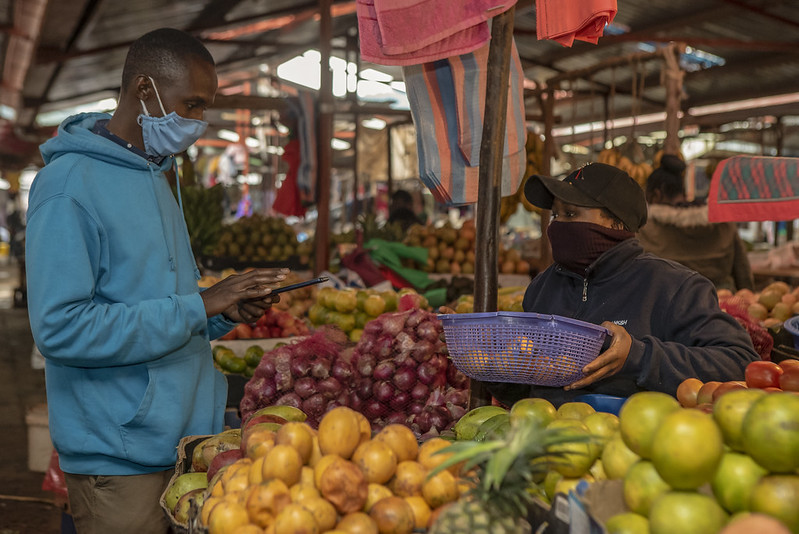
In addition to fuel, global prices for key agricultural commodities also presented mixed outcomes. Maize and rice prices rose due to unfavourable weather conditions in major producing countries, while wheat prices declined as European output improved.
For Tanzania, which imports a significant share of its wheat, this offered some relief, though offset by currency depreciation and rising freight charges.
On the export front, Tanzania’s key commodities – gold, coffee, cotton and cloves – experienced varying fortunes. Gold prices climbed steadily, averaging US$2,015 per troy ounce in the first half of 2025, up from US$1,954 in late 2024.
This benefitted the mining sector and shored up export earnings.
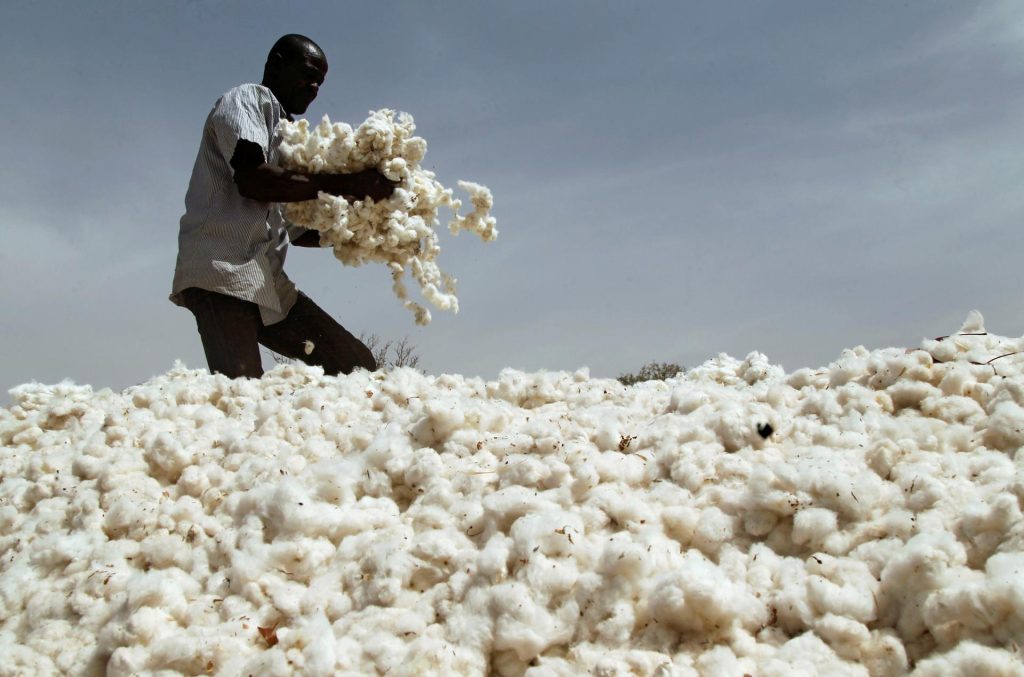
However, coffee and cotton prices remained under pressure due to softening demand in Europe and Asia, combined with increased output in competing markets such as Brazil and India.
The price of Arabica coffee fell to US$4.02/kg, while cotton dropped by nearly 5 percent over the reporting period.
The government’s commodity export diversification strategy is now being tested.
Although increased gold exports helped cushion the external sector, the decline in agricultural export earnings narrowed the overall benefit.
Analysts warn that without value addition and improved storage facilities, Tanzanian farmers and exporters remain at the mercy of global price swings.
To mitigate these shocks, the Bank of Tanzania recommends sustained investment in climate-resilient agriculture, domestic fertiliser production, and the expansion of strategic food reserves.
Moreover, developing forward markets and hedging mechanisms could offer Tanzanian exporters some insulation from price volatility.

As global commodity markets remain unpredictable, the report urges a coordinated approach between the central bank, ministries of agriculture, energy, and trade to safeguard macroeconomic stability. The message is clear: while Tanzania has weathered recent price shocks well, long-term resilience will depend on deeper reforms, smarter logistics, and regional trade integration.